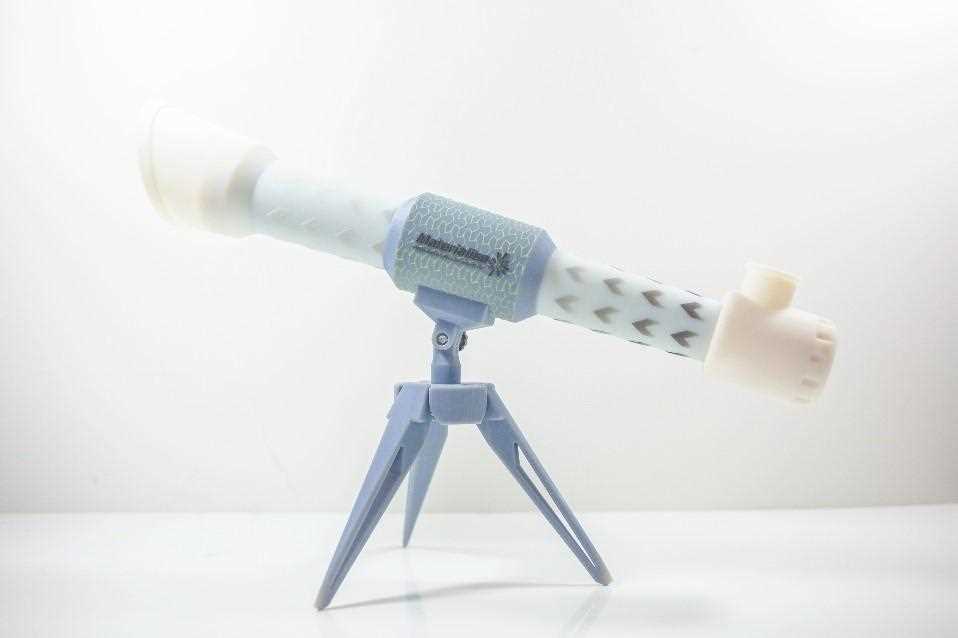
If you’re looking to create your own custom optical instrument, using 3D technology can be a great option. By selecting the right components, you can build a functional and unique setup with ease. First, ensure you have the correct software to design the parts, such as CAD programs that allow for precision and customization. After gathering the right materials, select a 3D printer with sufficient resolution to produce fine details necessary for lenses, mounts, and tubes.
Start by focusing on the primary elements of your build: the structure and optical system. For the frame, choose durable plastic materials like ABS or PLA, which provide both stability and flexibility. When it comes to the optical components, consider using high-quality lens designs that are compatible with your custom design. Additionally, 3D modeling allows you to adjust the sizes and angles of each part to fit your exact specifications.
Another important aspect of building a custom optical device is ensuring everything fits together properly. Verify the accuracy of your 3D models before printing, as slight errors can lead to misalignments or poor performance. Testing each part individually before assembly can help identify and address potential issues. Once assembled, perform real-world tests to fine-tune your design for optimal functionality.
3D Printed Optical Devices
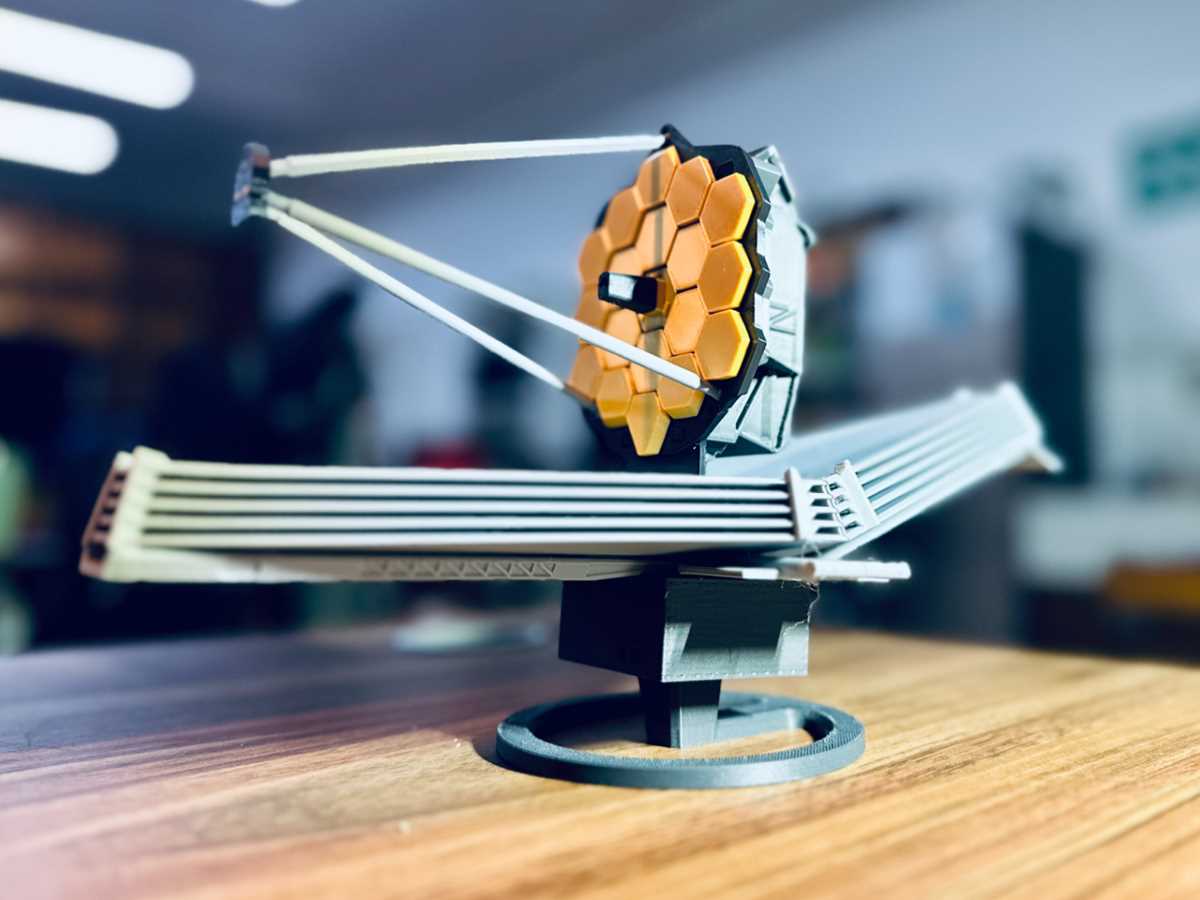
Building your own optical device requires careful planning and attention to detail. Start by selecting a high-quality design that suits your specific needs. Choose a reliable 3D modeling software such as AutoCAD or Fusion 360 to begin designing the components. These programs allow you to precisely define the measurements and shapes of each part, ensuring a smooth assembly process.
The next step is selecting the right materials for the parts. For the frame and structural components, ABS or PLA are popular choices, as they offer durability and are easy to print. Ensure that the material you select is capable of withstanding the weight of the lenses and other components without warping. For optics, you can design and print custom holders, but lenses must typically be sourced from external suppliers unless you have access to advanced equipment for creating high-quality glass or plastic lenses.
Before printing, double-check your designs for accuracy and make sure all the components fit together seamlessly. Even small mistakes can result in misaligned parts or an inefficient optical system. It’s recommended to print test pieces for the frame and mount before proceeding to full-scale printing to avoid wasting time and materials.
Once you have confirmed that the design fits together properly, you can begin printing each component. Use a high-resolution 3D printer to ensure that fine details, such as the internal housing for the lens, are accurately created. If you’re unsure about the right print settings, start with medium resolution and adjust based on your results.
After printing the parts, you’ll need to assemble the device. Carefully attach the lenses to their corresponding mounts and align them within the frame. Pay attention to the focal length, as this will directly impact the clarity and focus of the device. If necessary, adjust the positioning of the lenses and make sure they are securely fastened.
Perform several tests to assess the performance of the system. For instance, check for any light leaks or issues with the alignment that may affect the quality of the view. If adjustments are needed, you can make minor tweaks to your design and reprint the necessary parts. This iterative process ensures that your device is perfectly aligned and ready for use.
Assembling a functional optical system using 3D-printed parts requires patience, but the outcome can be highly rewarding. Whether you’re building a basic viewing instrument or a more complex setup, the ability to customize the design makes the process a unique learning experience. With the right materials and a keen eye for detail, you’ll be able to create a fully personalized optical device that meets your specifications.
Choosing the Right Materials for Your 3D Optical System Build
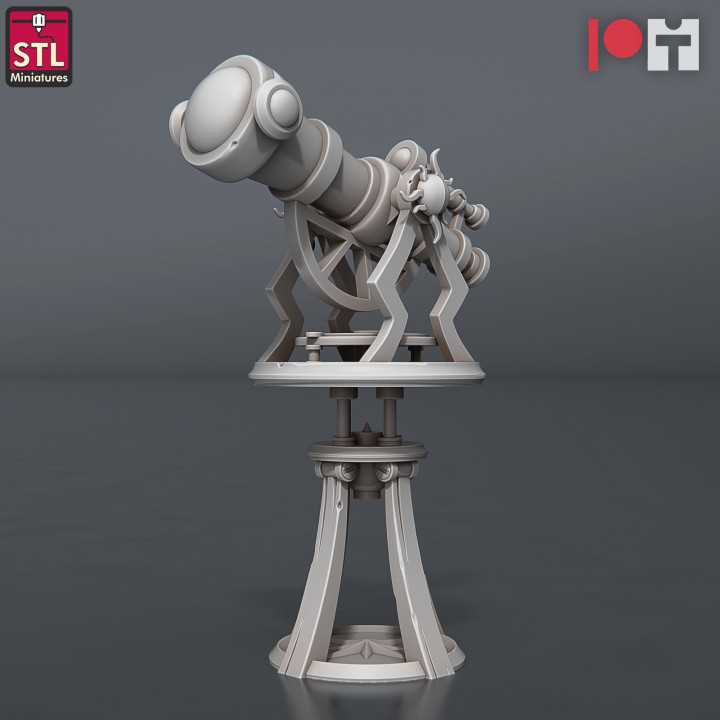
For structural components, ABS and PLA are the most commonly used materials due to their durability and ease of printing. ABS offers higher strength and flexibility, making it ideal for parts that will bear weight or endure stress, like the main body or housing. PLA, on the other hand, is simpler to work with, making it a good choice for non-load-bearing components such as internal mounts or decorative elements. Both materials can be printed with most 3D printers, and they offer a good balance between strength and cost.
For the lenses and optical housing, precision is critical. Since most 3D printers are not capable of creating high-quality glass or clear plastic lenses, these should be purchased from specialized suppliers. However, you can still print custom holders and frames that fit your lenses precisely. When selecting material for these components, look for clear plastic options such as PETG, which is more durable and resistant to heat compared to PLA, but still relatively easy to print. This will ensure that your optical system maintains clarity while being structurally sound.
Finally, consider the environmental factors that may affect your build. If you plan to use your device outdoors, choose materials with better UV resistance, like ASA or PETG. These materials will withstand prolonged exposure to sunlight without degrading. If weight is a concern, especially for handheld or portable designs, lightweight filaments such as PLA will help reduce the overall weight of the build while maintaining structural integrity.