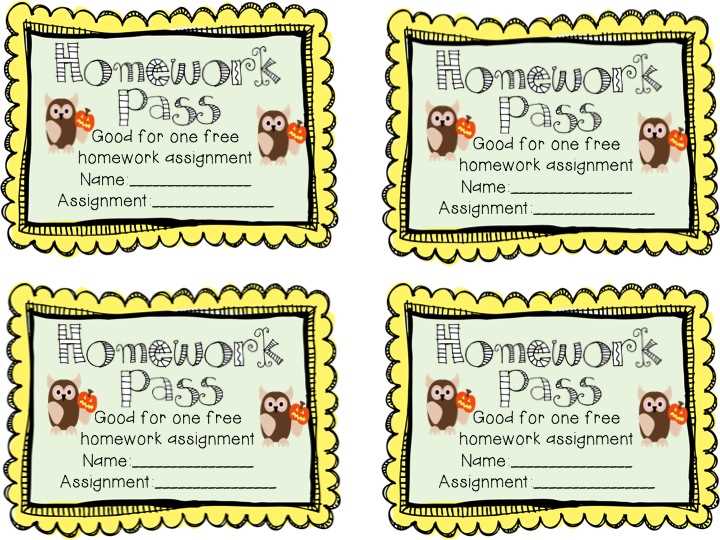
One way to keep students engaged and motivated is by offering them special reward coupons they can redeem for a break from assignments. These coupons act as incentives that encourage positive behavior and can help reduce stress levels. Consider making these tokens personalized, and offer them as rewards for exceptional performance, consistent effort, or as part of classroom activities.
For teachers, creating customized reward vouchers can be an easy and effective tool to promote a positive classroom environment. You can create visually appealing coupons with fun designs that align with classroom themes or subjects. Once a student earns one, they can use it to skip a task, take a break, or get a minor reward like extra playtime or a small prize.
To make sure the system works smoothly, establish clear guidelines about how these rewards can be redeemed. Keep track of who has earned these rewards and ensure that the benefits are used responsibly. This not only gives students a sense of achievement but also encourages them to put in their best efforts in class.
Creating and Using Homework Passes in the Classroom
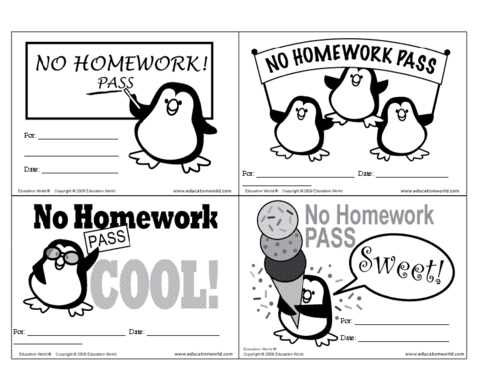
To begin, design reward coupons that are visually engaging and easy to understand for students. Include clear instructions on how and when they can be used. Simple text such as “Skip an Assignment” or “Take a Break” makes the purpose of the voucher immediately clear. Incorporating fun graphics or classroom themes helps to keep the tokens appealing.
Decide on the criteria for earning these rewards. They could be given for a variety of positive behaviors such as completing a set number of tasks, helping others, or achieving a specific grade. Being consistent with the criteria ensures students understand what is required to earn these tokens and can motivate them to work harder.
Set boundaries for using the rewards to ensure they don’t disrupt the flow of the classroom. For example, specify that they cannot be used on major assignments or projects. This maintains a balance between offering rewards and ensuring that students still have a responsibility for their academic work.
In addition to personal use, these tokens can also serve as a way for students to give something back to others. Allow students to donate their rewards to classmates who may need them, fostering a sense of community and encouraging teamwork.
Keep track of the rewards by maintaining a simple log for each student. This can be as basic as a chart where students’ names are written next to the number of tokens they have earned and redeemed. This tracking system makes it easier to monitor the effectiveness of the rewards system and spot any discrepancies.
Another strategy is to pair these tokens with other incentives, such as extra time for a fun activity or additional responsibility in the classroom. This adds variety and keeps the reward system from becoming too predictable or repetitive.
Make sure to review the system periodically to keep it relevant. Feedback from students can help improve the process, whether it’s adjusting how many tokens they need to earn or changing the types of rewards offered. This keeps the system fresh and engaging.
Lastly, encourage students to reflect on their behavior after using their rewards. This reflection can help them understand how their actions impact their learning and encourage them to set new academic goals. Using these incentives in a meaningful way can make a real difference in students’ engagement with their schoolwork.
Designing Homework Passes That Motivate Students
Start by creating visually appealing designs that will catch students’ attention. Use bright colors, fun fonts, and playful graphics. The goal is to make the token feel like a special item they would want to earn and use. Incorporate elements that resonate with the class, such as favorite animals or themes relevant to the subject matter.
Make sure to include clear instructions. Students should instantly know how and when they can use the token. Phrases like “Use to skip one assignment” or “Redeem for a no-questions-asked break” help maintain clarity. Avoid overwhelming students with too much text on the card.
To increase the appeal, limit the availability of these rewards. Create a scarcity effect by stating that only a limited number of tokens can be used each week or month. This adds value and makes students feel as if they are earning something exclusive.
Personalize the reward system by tailoring tokens to individual student interests. For example, let students choose from a selection of reward designs, each representing different themes or categories, such as “extra recess” or “homework-free night.” Personalization increases the emotional attachment to the reward.
Ensure that tokens can be used flexibly but responsibly. Specify that they cannot be used during important test weeks or on major projects. This prevents students from abusing the system and encourages them to think strategically about when to redeem their reward.
Consider incorporating elements that encourage good behavior or social skills, such as sharing the token with a peer for collaborative work. This can build a sense of community and teamwork among students, making the reward system a tool for more than just individual academic achievement.
Keep track of the tokens distributed and redeemed with a simple log. This can be a chart on the classroom wall or a digital tracker that both teachers and students can access. Tracking helps reinforce accountability and ensures fairness in distribution.
Review the system regularly. Ask students for feedback on what motivates them and what types of rewards they enjoy most. This can help refine the process, ensuring that the reward system remains exciting and effective over time.