
For long-term storage, it’s important to choose the right type of packaging that ensures both durability and protection against external factors. When selecting these storage pouches, make sure they are of the correct size for your items, and opt for materials that block out light and moisture effectively. This will significantly extend the shelf life of your contents, whether it’s food, electronics, or collectibles.
Printing custom designs on your storage pouches allows for easy identification and adds a personal touch to each package. Use high-quality printers that are compatible with the material of the pouches to ensure that your designs are sharp and clear. Always test print on a sample before applying your design to the final storage bags to avoid errors.
To achieve the best results, make sure your printed designs do not interfere with the sealing process. Clear labeling helps with organization, but it’s important to leave space for sealing or vacuuming equipment, ensuring the bags remain airtight for maximum protection. Always follow manufacturer instructions for sealing to prevent air from entering, which can compromise the quality of your stored items.
Printable Mylar Bags Guide
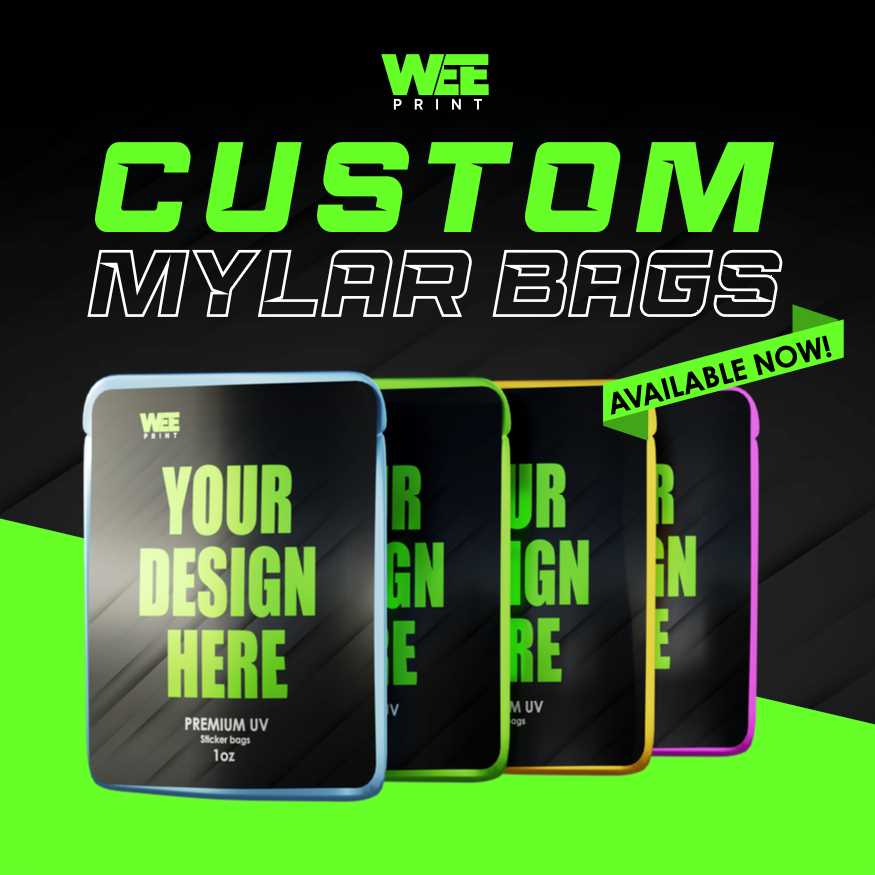
To create durable and effective storage, select pouches that are designed for long-term preservation. These are ideal for protecting items from moisture, light, and oxygen. Ensure the material you choose is thick enough to provide a barrier, yet flexible enough to fit your packaging needs.
Before printing your design, make sure the surface of the pouch is suitable for ink adhesion. Use a printer compatible with non-porous materials to avoid smudging or poor quality prints. Perform a test print on a sample to ensure your design transfers correctly.
The design should include clear labeling for easy identification. Avoid overcrowding the surface with too much text or decoration. Leave enough space for a strong seal, as this will ensure the contents remain secure and unaffected by air or moisture.
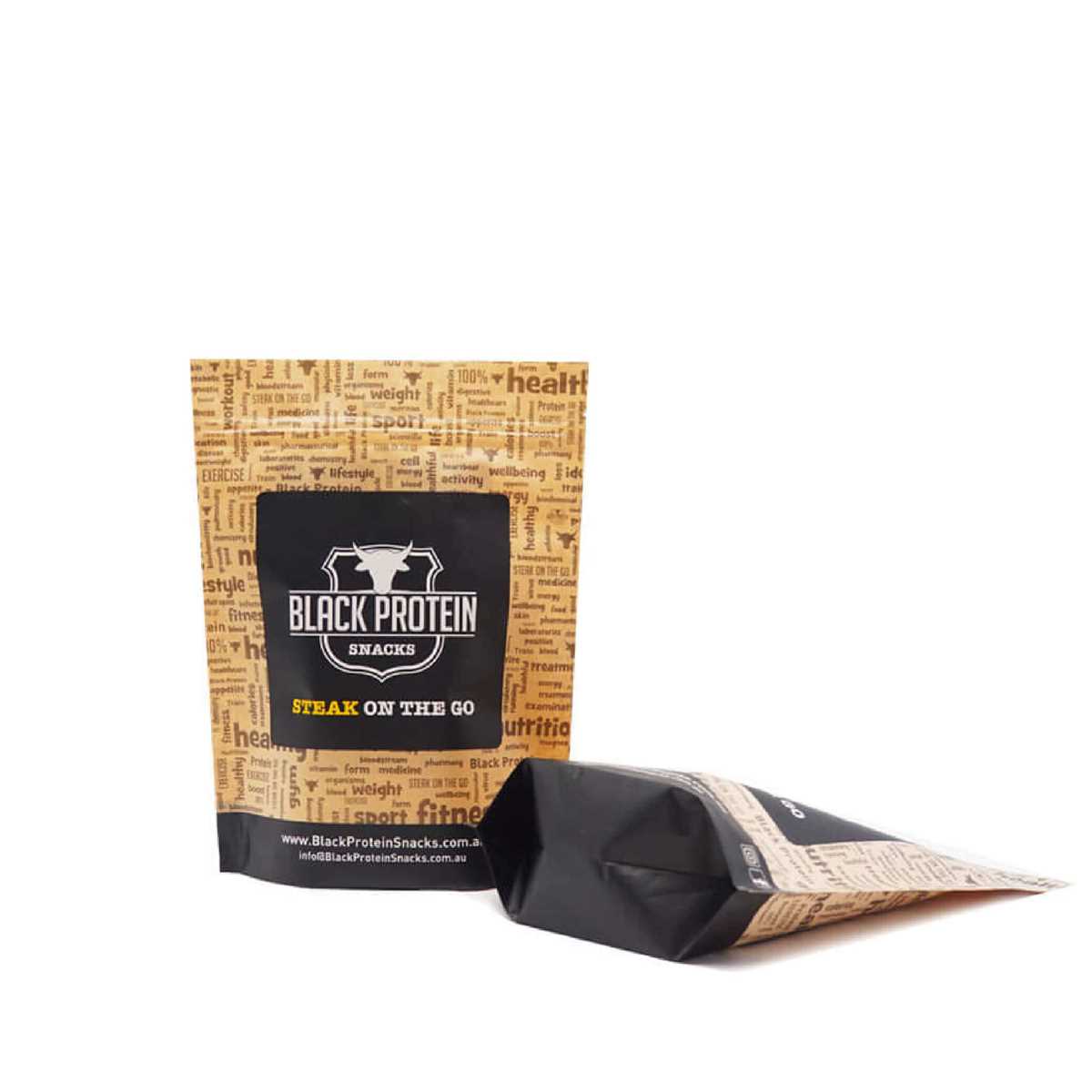
For best results, use high-quality inks that are resistant to fading over time. Consider UV-resistant ink, which will help preserve the print even if the pouches are exposed to sunlight. This is particularly important if you plan to store the pouches in areas with high exposure to light.
Once your design is printed, properly seal the pouch to ensure a tight, airtight closure. Use a heat sealer or vacuum sealing machine to remove any excess air. This will prevent any potential damage to your stored items and keep them in optimal condition for extended periods.
Choosing the Right Mylar Bags for Your Storage Needs
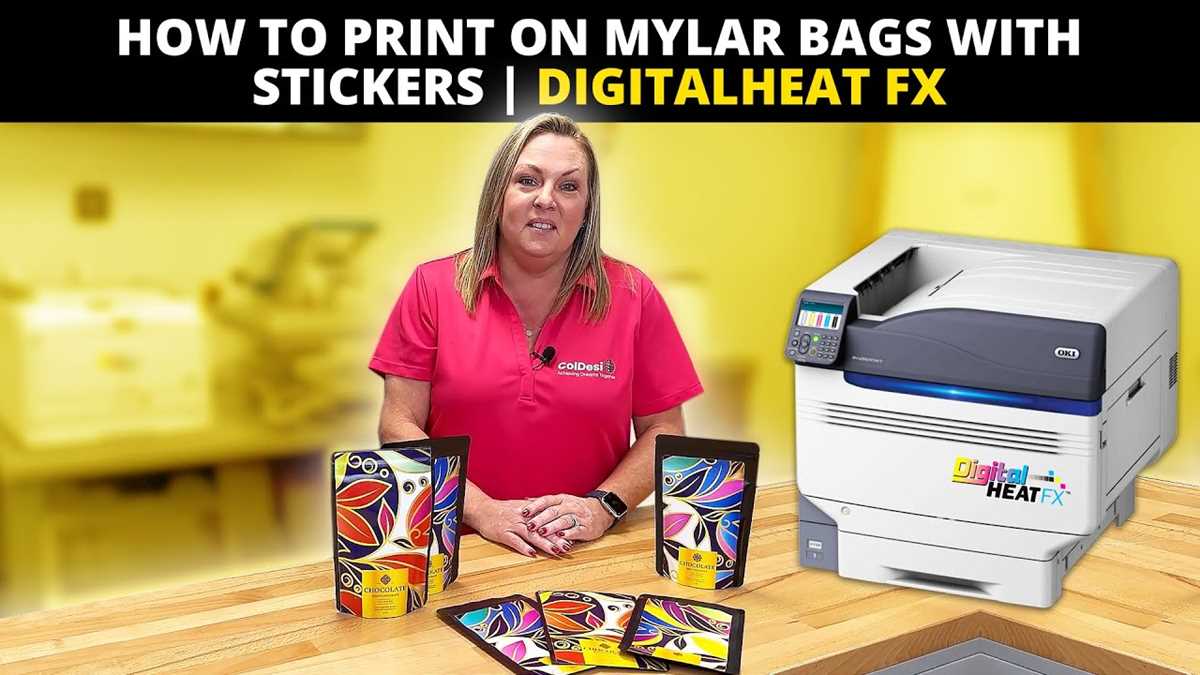
Selecting the right storage pouches starts with understanding the size and volume of your items. If you’re storing food, choose a size that allows for proper air removal when sealing, but isn’t overly large. This prevents excess space that could allow moisture or air to interfere with preservation.
Consider the thickness of the material. A thicker pouch provides better protection from light and air, which is crucial for extending the shelf life of sensitive contents. Choose a thicker option for long-term storage, especially for items that need complete protection from external elements.
The sealing method you plan to use also influences your choice. Some pouches are designed to be sealed with heat, while others may require vacuum sealing. Ensure the pouches you select are compatible with your sealing equipment for an airtight closure.
If your items require a specific level of protection, such as UV shielding, look for pouches with a reflective interior or multi-layer construction. These features prevent degradation from light exposure and help maintain the integrity of the contents over time.
Check if the pouches are food-safe or designed for specific items, as some materials may not be suitable for certain contents, like electronics or medicines. Always verify that the bags are compatible with the type of material you are storing to avoid any potential contamination.
Finally, evaluate the closure options. Some pouches feature built-in zippers or resealable tops, while others may require additional sealing tools. Select the right type based on your storage frequency and convenience preferences, ensuring your items are easy to access when needed but securely sealed when not in use.