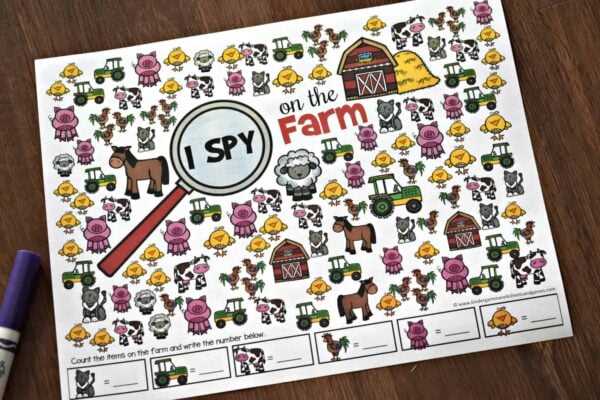
Choose themed I-Spy activity pages that match your child’s age and interests–this immediately increases engagement and keeps attention focused longer. For preschoolers, pick sheets with 8–12 large objects and clear color contrast. For children aged 6–8, look for versions containing 15–25 smaller items, mixed orientations, and counting tasks. This simple adjustment can extend independent play time by 20–30 minutes per session.
High-quality search-and-find worksheets work best when printed on slightly thicker paper (around 120–160 gsm). Standard office paper tears quickly during repeated use, while heavier stock allows kids to circle, mark, or even reuse pages with dry-erase sleeves. Landscape orientation is often more comfortable for young learners because it gives wider visual scanning space and reduces frustration.
To maximize learning value, combine each visual hunt with a short follow-up task. Ask children to count how many items they found, group objects by color, or set a timer for a quick challenge round. These small additions strengthen visual discrimination, early math skills, and sustained attention without requiring extra materials.
Parents and teachers report the best results when activity sheets are rotated weekly rather than reused daily. Keep a small folder of fresh designs–seasonal themes, animals, vehicles, or holiday sets–to maintain curiosity. With thoughtful selection and simple setup, these visual search pages become a reliable quiet-time tool at home, in classrooms, or during travel.
Free I Spy Printable: Practical Guide for Parents and Teachers
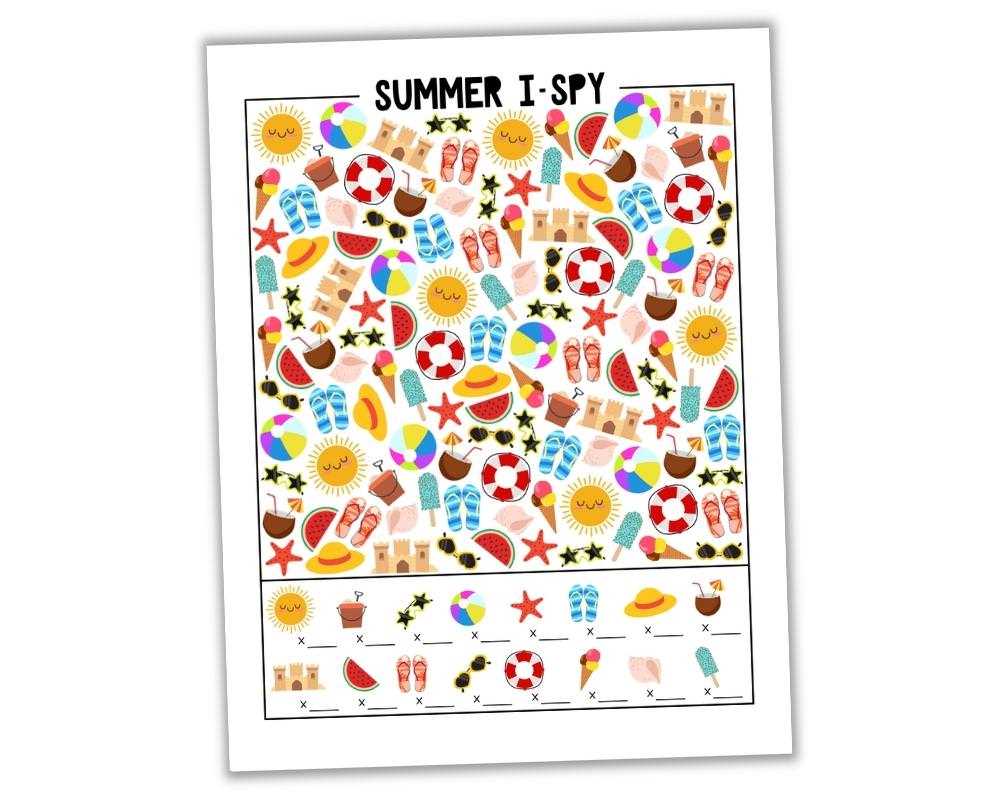
Choose themed search-and-find worksheets that match the child’s current learning goal–for example, animals for vocabulary building or shapes for early math–before handing them out. Targeted selection saves time and keeps attention focused for 10–15 minutes, which aligns with the average concentration span of children aged 4–7. Print in grayscale if you plan bulk classroom use; it cuts ink costs by up to 70% without reducing task value.
Adjust difficulty by controlling object density. For preschoolers, limit each page to 6–10 items with clear spacing of at least 1.5 cm between images. Early primary students can handle 12–20 mixed-size elements, especially when some overlap slightly. When working with mixed-ability groups, prepare two versions of the same sheet: one with colored reference icons and one without. This simple differentiation reduces frustration and minimizes constant teacher assistance.
Use the activity as a structured routine rather than filler time. In classrooms, place the sheets in morning work bins or transition folders; at home, keep a small stack in a labeled drawer for quick deployment during waiting periods (before dinner, during travel prep). Consistent placement trains children to engage independently within about two weeks. Laminate frequently used pages and provide dry-erase markers to allow repeated use and reduce paper waste.
Track skill growth with a simple timing method. Note how long a child needs to locate all items on the first attempt, then repeat the same page after two weeks. Many children show a 20–40% speed improvement as visual scanning and attention control develop. For added learning value, ask the child to describe each found object using a full sentence; this turns a quiet visual task into language practice without extending activity time significantly.
Integrate cross-curricular goals by modifying instructions instead of redesigning the worksheet. Ask learners to count only objects that begin with a certain letter, group findings by color families, or record totals in a small table. These micro-tasks build phonics, categorization, and basic data skills while keeping preparation time under five minutes.
Store your best-performing search sheets in a categorized digital folder (themes, age level, season) and review usage every month. Remove pages that children finish in under three minutes and replace them with slightly denser layouts. This rotation keeps engagement high and ensures the activity continues to challenge observation skills rather than becoming automatic.
Where to Find High-Quality Free I Spy Printables for Different Age Groups
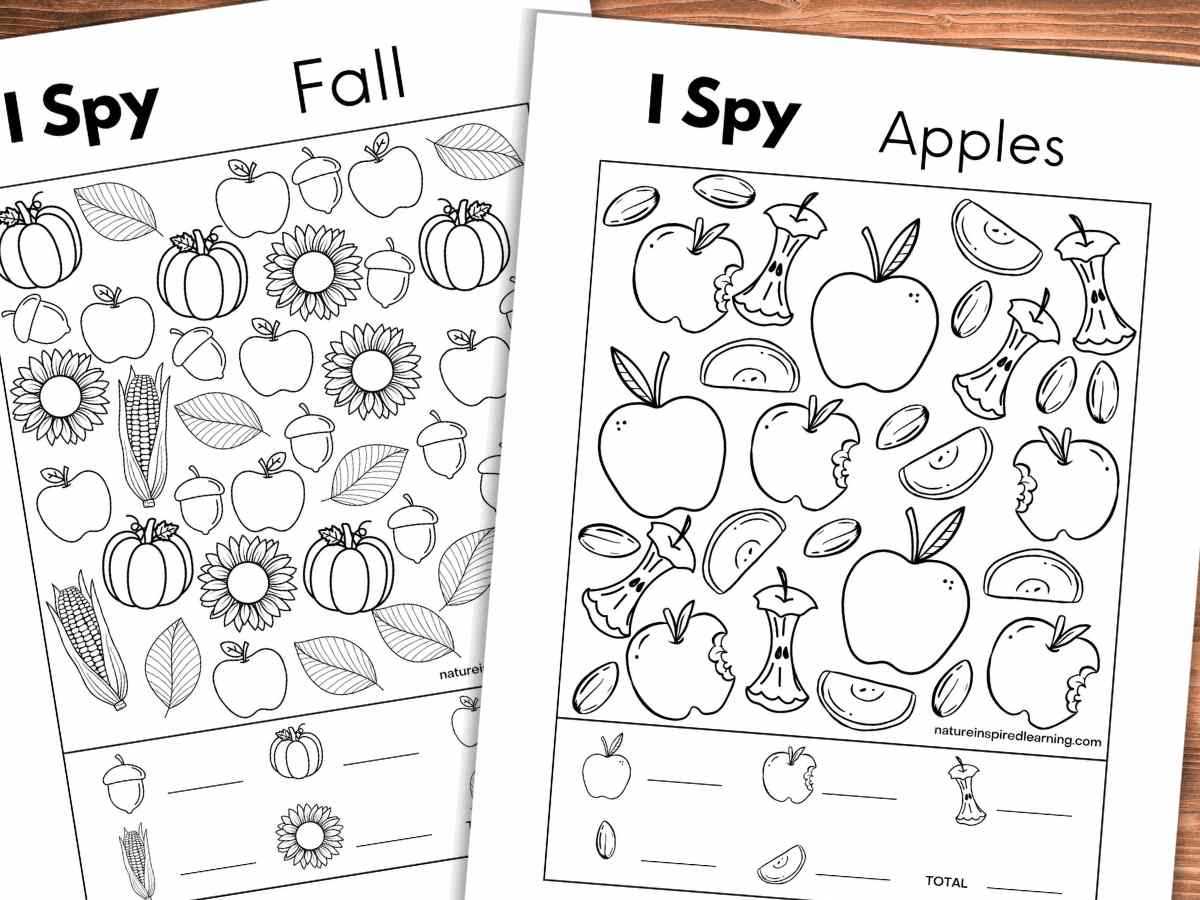
Use curated teacher-resource platforms first: search the “seek-and-find worksheets” section on :contentReference[oaicite:0]{index=0} and filter by grade level to get clean layouts for preschool through grade 3; most sets there include answer keys and color/black-and-white versions in the same download. For themed packs (holidays, animals, transport) with adjustable difficulty, browse :contentReference[oaicite:1]{index=1} and switch the age filter between 3–5 and 6–8 years to match visual density and object count.
For older kids who need more challenging visual searches, check community marketplaces and curated pin boards. On :contentReference[oaicite:2]{index=2}, sort by price set to $0 and look for files with at least 4.5★ ratings and previews showing 20+ hidden items per page–this usually signals a higher challenge level suitable for ages 8–12. Meanwhile, collections on :contentReference[oaicite:3]{index=3} often group activities by theme; use search phrases like “advanced seek and find puzzle” or “toddler picture hunt sheet” and prioritize pins linking back to educator blogs rather than low-resolution image reposts. High-quality pages typically offer 300 dpi PDFs, multiple difficulty tiers, and clear margins that prevent cutting off objects during home printing.