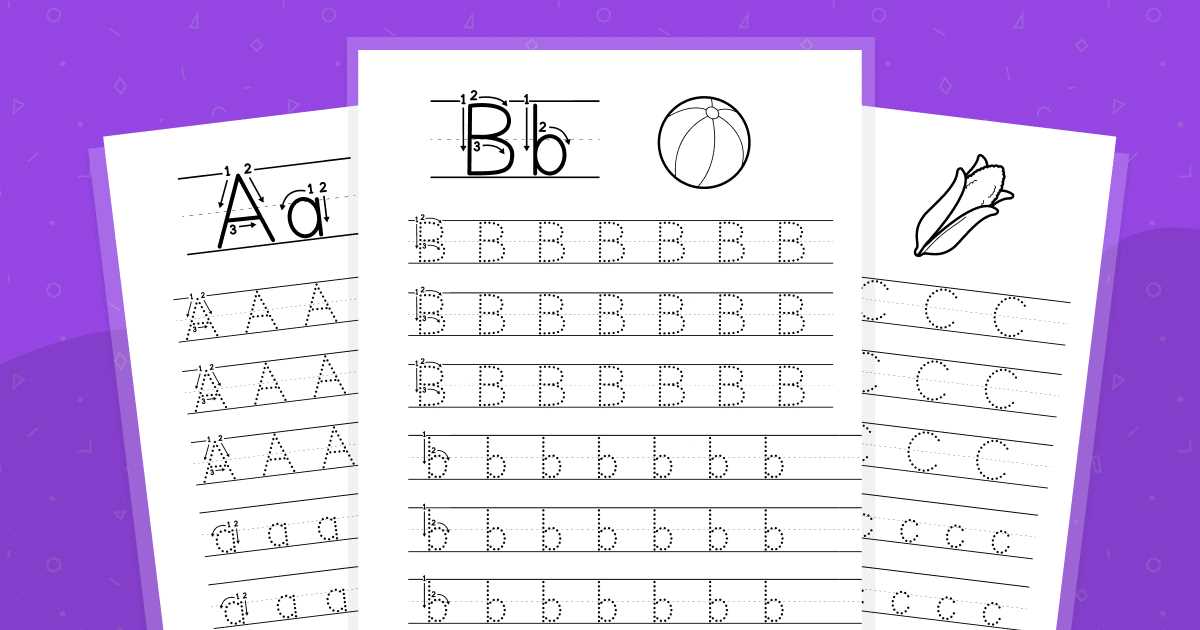
Choose worksheets with large directional arrows and numbered stroke order marks to help children form each character correctly from the first attempt. Sheets sized for A4 with 18–22 mm letter height suit preschoolers aged 3–5, while 12–15 mm height works better for kindergarten practice. Provide thick dashed outlines (at least 1.5 pt line weight) so pencil paths remain clearly visible during repetition.
Include both uppercase and lowercase sets on separate pages to prevent visual overload. Limit each page to 6–8 symbols with three guided lines and two independent lines beneath. This structure supports gradual transition from guided copying to freehand writing while keeping sessions under 10–15 minutes, which matches the average concentration span of early learners.
Use paper with baseline, midline, and headline markers in light gray rather than bright colors. A 3-line handwriting grid improves spatial awareness and reduces letter size inconsistency by up to one third compared to blank sheets. For left-handed children, position example characters on the right side of the page to avoid hand shadowing.
Rotate practice formats weekly: dotted outlines, hollow bubble letters for finger outlining, and faint gray examples for pencil copying. Add simple phonetic cues next to each symbol–such as “b – /b/ as in ball”–to reinforce sound recognition alongside motor skills. Pair 5–7 new characters per week with daily 5-minute review drills.
Print on 100–120 gsm paper to prevent tearing and allow erasing without damage. Use triangular pencils or short crayons (8–9 cm length) to encourage correct grip. Store completed sheets in a dated folder to track progress in stroke direction, spacing, and pressure control over a 6–8 week cycle.
Alphabet Printables Tracing Practical Guide
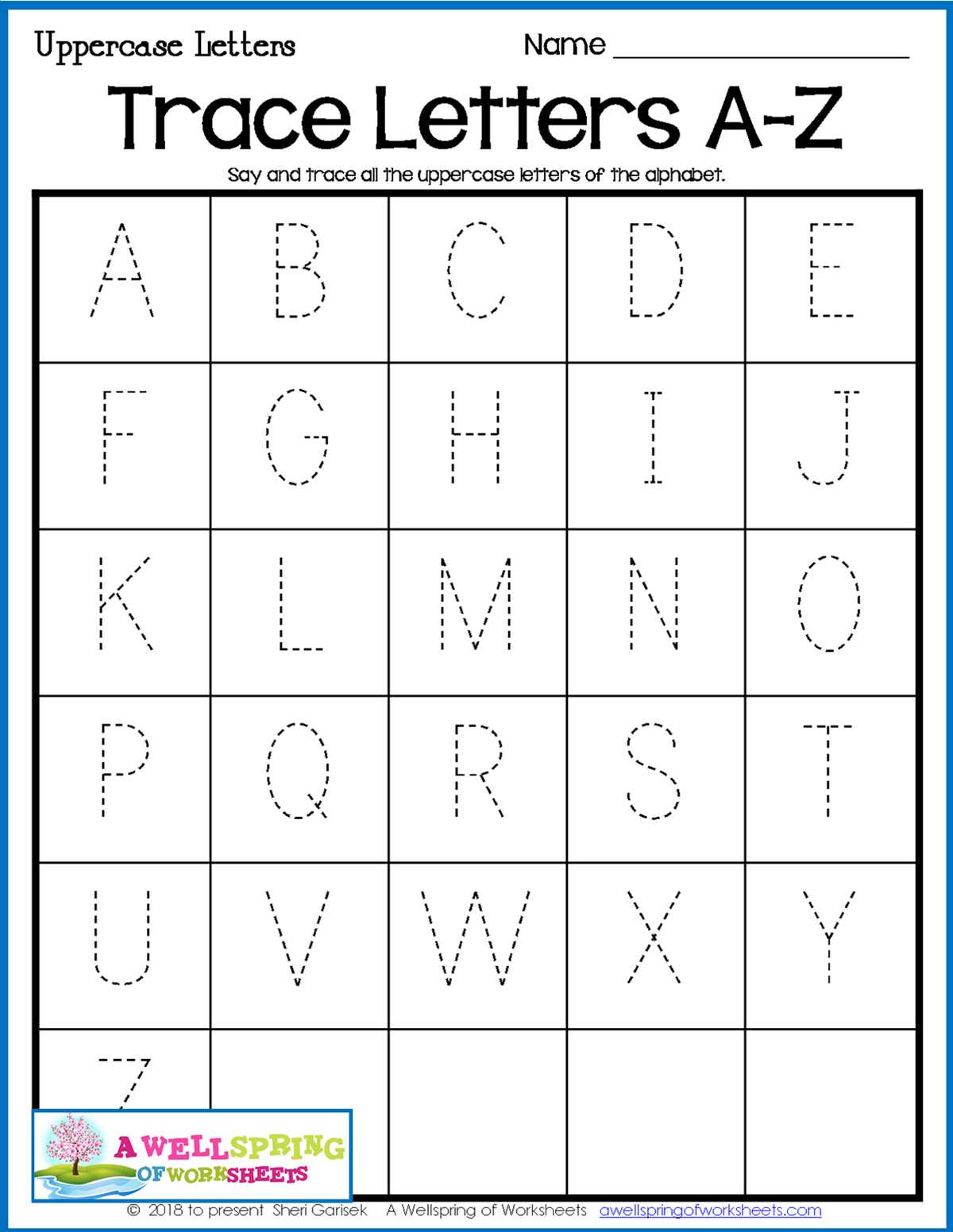
Use letter practice sheets with 2–3 cm tall glyphs and directional arrows to guide hand movement from top to bottom and left to right. Choose versions with dotted baselines and midlines so children can see height proportions for ascenders and descenders. Print on 100–120 gsm paper to prevent tearing during repeated pencil passes, and provide short triangular pencils (8–9 cm) to improve grip control and reduce wrist strain.
Organize skill progression by grouping symbols with similar stroke patterns rather than alphabetical order. For example:
- Straight-line forms: E, F, H, I, L, T
- Curved forms: C, O, S, U
- Mixed strokes: A, B, D, G, P, R
Practice 5–7 minutes per session, focusing on 3–5 characters only. Ask the child to verbalize stroke directions (“down”, “curve”, “cross”) while writing to reinforce motor planning.
Alternate between guided outlines and blank line reproduction. A structured session can follow this sequence:
- Air writing with full arm movement (30–60 seconds per symbol).
- Finger writing on textured surfaces such as sand trays or salt boards.
- Worksheet completion with dotted guides.
- Independent rewriting on wide-ruled paper without visual prompts.
Track accuracy by counting correctly formed shapes out of 10 attempts; aim for 8/10 before increasing size reduction or line spacing complexity. If reversals persist beyond 4–6 weeks of practice, enlarge character size and reinforce starting-point dots instead of increasing repetition volume.
Rotate materials weekly to maintain attention: use colored pencils for vowel sets, fine-tip markers for consonant clusters, and dry-erase sleeves for reusable sheets. Store completed pages in a dated folder to compare stroke smoothness, spacing, and alignment over time rather than relying on subjective observation.
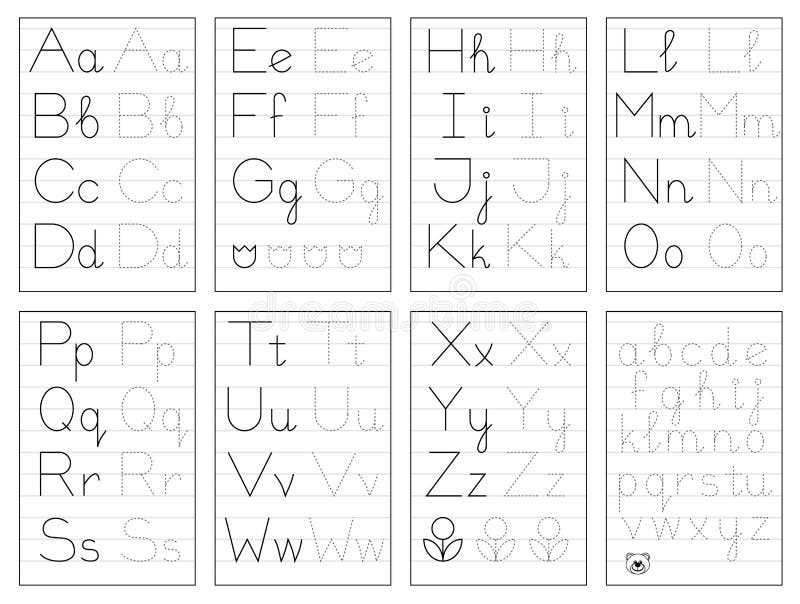
How to Structure Letter Tracing Worksheets by Age and Skill Level
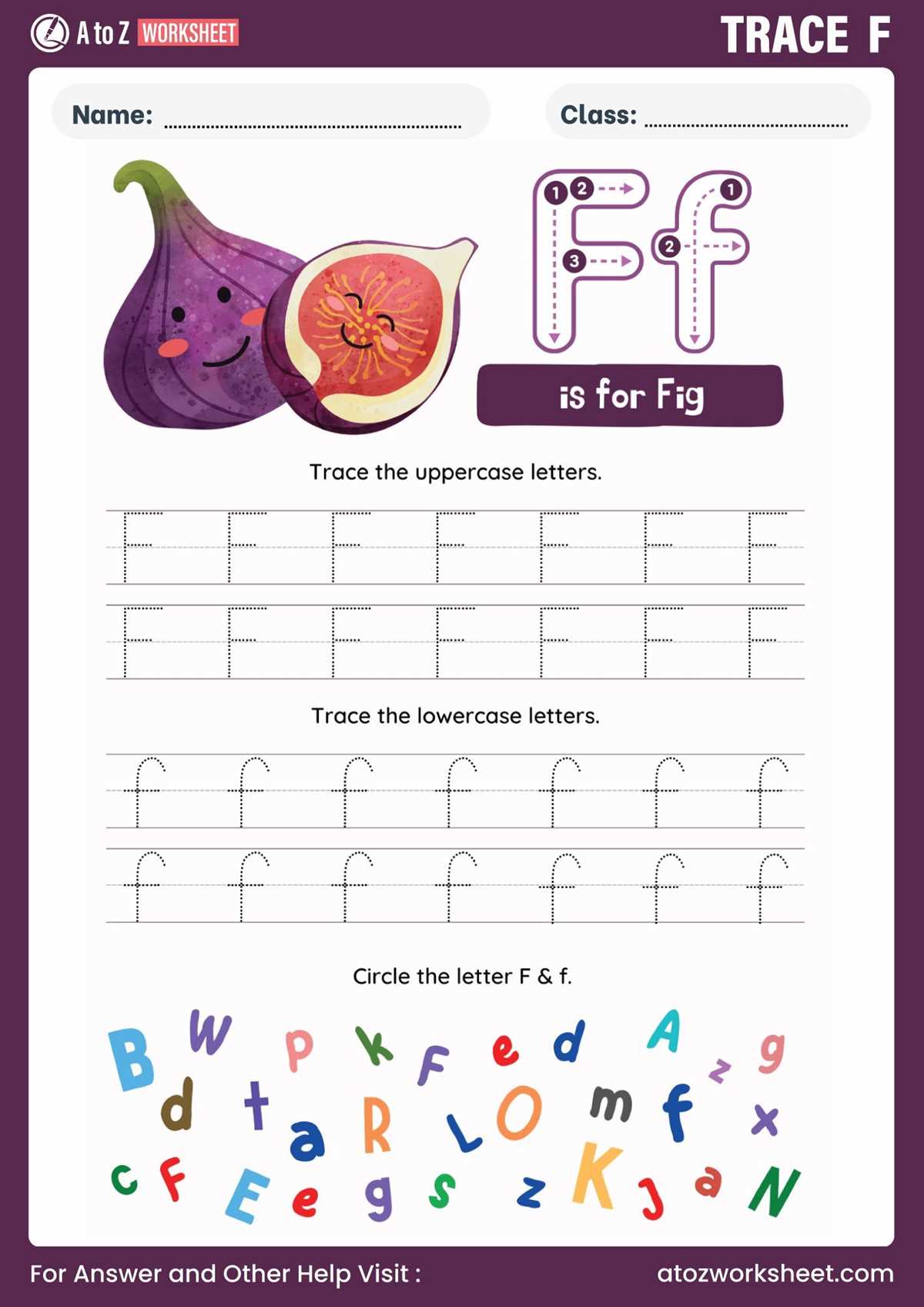
Group letter formation sheets by age bands and motor readiness rather than grade labels. For ages 2.5–3.5, limit each page to one large symbol (at least 7–9 cm high) with wide guiding paths (6–8 mm stroke width) and clear directional arrows. Use straight-line shapes first (E, F, H, I, L, T) before curved forms (C, O, S). Provide no more than 3–4 practice rows per page to avoid fatigue.
For ages 3.5–4.5, reduce symbol height to 5–7 cm and narrow the guide path to 4–6 mm. Combine one uppercase and one lowercase form on the same sheet only after the child can reproduce straight strokes without lifting the pencil. Add midline markers to introduce height differences (tall, short, descending letters). Include a short pre-writing warm-up line–zigzags, arcs, vertical pulls–above the main task.
Ages 4.5–5.5 benefit from structured repetition blocks: model → guided copy with dashed outline → independent copy on ruled lines. Limit each block to 6–8 attempts per character and rotate 3–5 symbols per session. Introduce spacing cues (finger space icon or 1 cm gap marker) once children begin forming simple consonant-vowel pairs.
For 5.5–6.5, shift focus from path-following to proportion and alignment. Remove heavy outlines and replace them with light gray models. Use three-line handwriting guides with consistent baseline thickness. Add timed micro-sets (2 minutes per row) to build fluency without sacrificing shape accuracy. Track reversals separately and assign corrective drills for commonly flipped forms (b/d, p/q).
Adjust complexity by skill indicators rather than age alone. If grip control is weak, increase symbol size and reduce page density. If letter recognition lags, add a small keyword image beside the model (e.g., “m – map”) but keep visuals minimal to prevent distraction. For advanced learners, include mixed-order practice to test recall rather than sequence memory.
Control cognitive load through layout. Use one instruction line at the top, 14–16 pt sans-serif font, and high-contrast black on white. Keep margins at least 1.5 cm to support left-handed writers. Avoid decorative borders; they reduce available writing space and interfere with tracking.
Sequence the full set across 8–12 weeks: straight strokes → basic curves → closed shapes → diagonal combinations → height variations → mixed review. Assess progress every two weeks using a 10-letter sample scored on shape, size, alignment, and direction (0–2 points per criterion). Advance only after a consistent score of 70% or higher across two sessions.