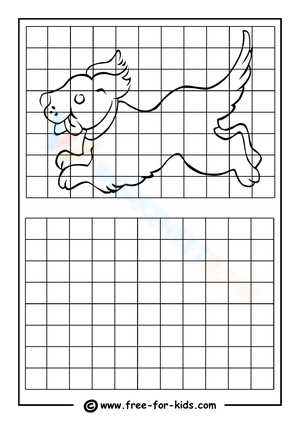
Choose A4 or US Letter activity sheets with evenly spaced square guides sized between 0.5–1 cm; this range gives beginners enough room to copy shapes without losing proportion. For younger learners (ages 5–7), pick layouts with bold reference images occupying no more than 25–30 squares. Older students handle complex patterns better when the reference area reaches 60–100 cells.
For best results, provide a sharpened HB pencil and a soft eraser before copying the sample image cell by cell. Encourage learners to mark light corner points first rather than tracing lines immediately. This method reduces distortion by roughly 30–40% compared with freehand copying, according to classroom practice reports. Rotate themes weekly–animals, simple vehicles, geometric figures–to maintain engagement while steadily increasing difficulty.
Store the prepared sheets in categorized folders (Beginner, Intermediate, Advanced) and keep a progress log for each student. When a learner consistently reproduces shapes with less than one-square deviation, introduce denser square matrices or partial-reference challenges. This structured approach builds spatial awareness, patience, and visual measurement skills without requiring expensive art materials.
Costless Coordinate Copy Pages for Skill Practice
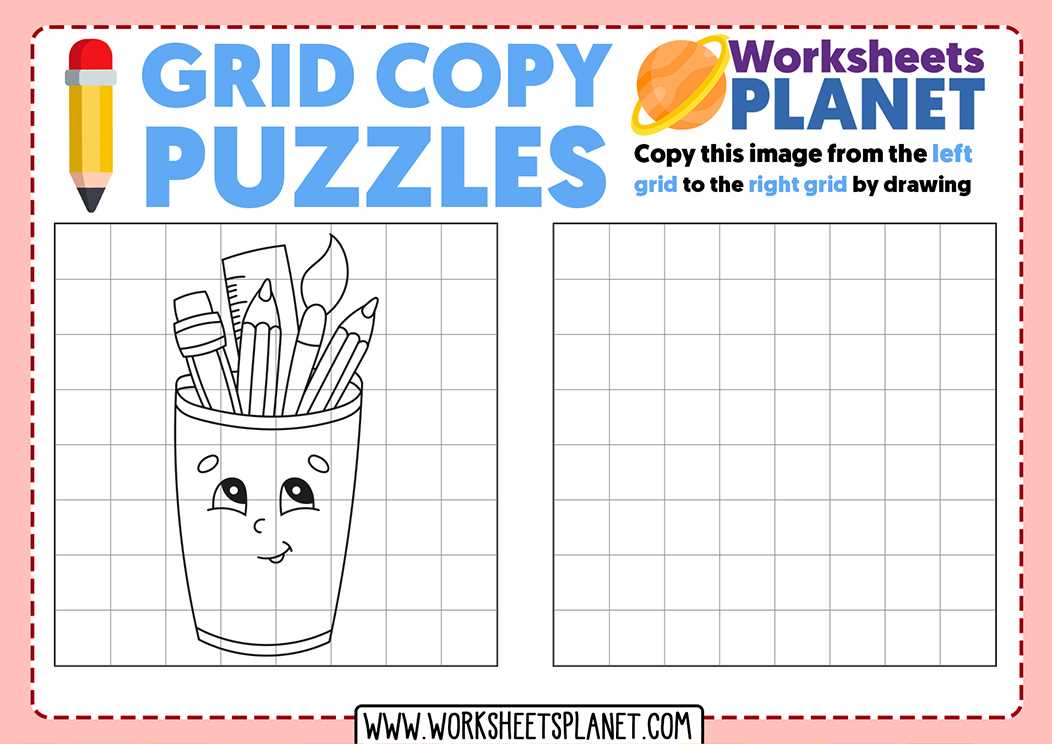
Choose black-and-white coordinate copy sheets with 1 cm squares and simple subject outlines to help learners transfer proportions accurately on the first attempt.
For steady progress, rotate page difficulty every week and track accuracy rather than speed. Use animal silhouettes (easy), cartoon characters (medium), and architectural scenes (advanced) so students gradually refine spatial judgment. When selecting materials, check these criteria:
- Square size between 0.5–1.5 cm for beginners; smaller cells only after accuracy exceeds 85%.
- Clear numbered axes along both edges to reduce placement errors.
- High contrast line art with minimal background clutter.
- Separate answer key for quick self-checking.
For classroom use, distribute half-completed coordinate pages and ask students to finish the missing portion; this raises attention to symmetry. At home, set a timer for 10–15 minutes and compare the copy with the original using tracing paper to spot deviations. Consistent short sessions (3–4 times weekly) produce noticeably better line control and proportion awareness within one month.
Where to Find High-Quality Free Grid Drawing Worksheets for Different Skill Levels
Use educational platforms such as Teachers Pay Teachers and Twinkl to access well-structured copy-art practice sheets sorted by age and ability. On Teachers Pay Teachers, filter by price set to zero and check the preview pages; high-rated resources (4.5★ and above) usually include clear square-guide layouts and progressive difficulty. Twinkl’s art section often provides beginner-friendly tracing sets for ages 4–7 and more complex proportion exercises for older students, all organized by curriculum level.
For intermediate learners, museum and gallery education portals are surprisingly reliable. The Metropolitan Museum of Art and similar institutions publish classroom art packs that include proportional transfer activities based on famous paintings. These materials tend to feature accurate line spacing and historically accurate source images, which helps learners practice observation rather than simple copying. Search each museum’s “teacher resources” or “learning materials” section and focus on PDF packs updated within the last two years.
Advanced artists benefit more from specialist art education blogs and illustrator portfolios than from generic classroom sites. Look for independent art teachers who share square-reference sketch challenges based on wildlife photos, portraits, or architecture. Quality indicators include: adjustable difficulty versions, clean high-contrast source images, and clearly labeled reference coordinates. Many professional illustrators host these practice pages on Gumroad or personal blogs with optional payment set to zero; checking comment sections often reveals whether the proportions are accurate.
If you need a structured progression from beginner to expert, curated Pinterest boards and homeschooling forums can save time. Search phrases like proportion copy practice for kids or square transfer art exercises, then verify that each sheet has evenly spaced guides and a matching answer example. Building a small personal library organized by difficulty level–simple shapes, animals, portraits, then detailed scenes–makes skill tracking much easier than downloading random files.