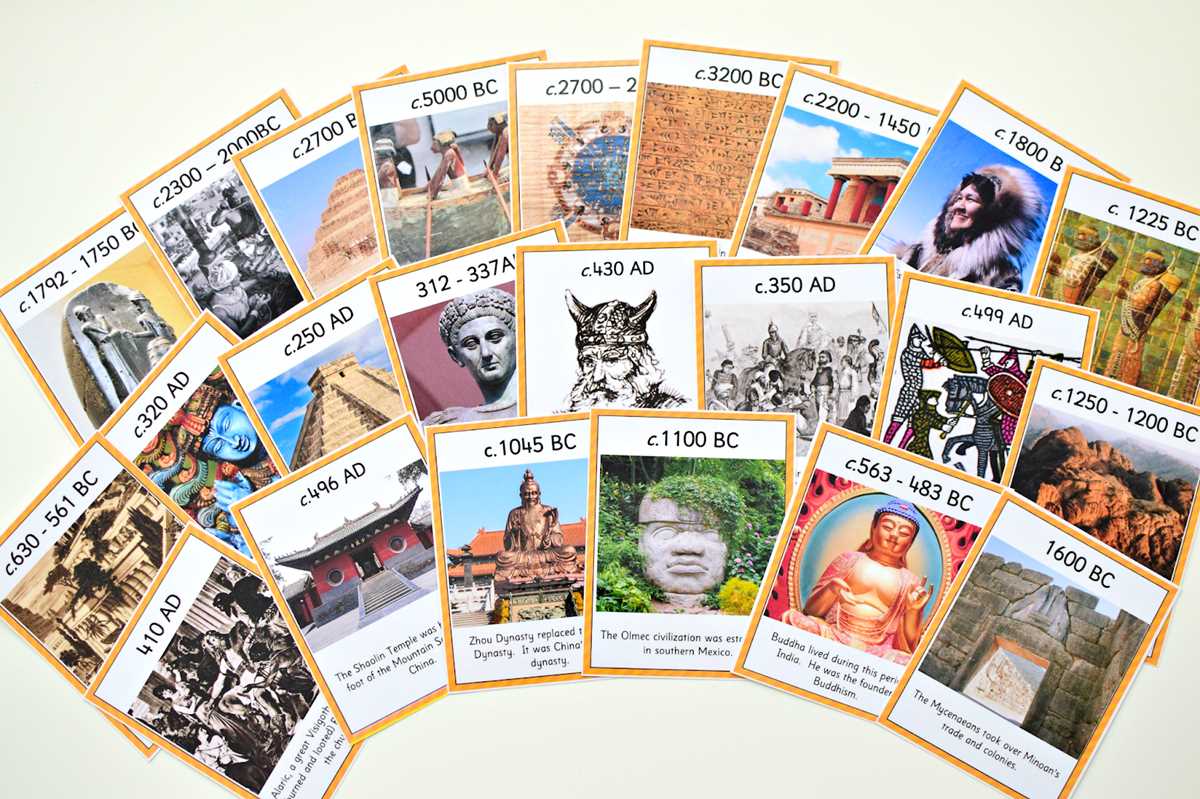
Designing a clear and organized visual representation of past events can enhance learning and comprehension. A simple approach is to map key events along a horizontal axis, marking dates and significant milestones for students. This method helps establish connections between different periods, making complex concepts more accessible and easier to understand.
Begin by selecting the key moments that best represent major shifts in political, social, or cultural contexts. Avoid overcrowding by focusing on defining occurrences such as the rise and fall of empires, revolutions, or technological advancements. These will serve as anchors, helping students grasp the overarching flow of time.
Next, use a clear and readable layout that allows for easy reference. Keep the font sizes large enough for classrooms or presentation settings, and choose contrasting colors for various periods. You can separate different themes or regions with color coding or graphical elements, ensuring clarity and avoiding visual clutter.
Finally, consider printing options that match your needs. Whether it’s large-scale posters for a classroom wall or smaller handouts for personal study, ensure that the format suits the space and context. Laminating or framing the chart can make it durable and reusable for multiple years of educational use.
How to Create a Historical Chart for Educational Purposes
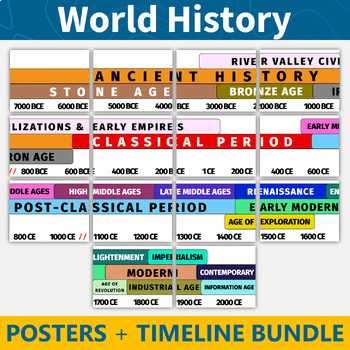
Start by selecting key moments that define the progression of human civilization. Focus on events like the rise and fall of major civilizations, significant discoveries, or wars that shifted global power. These events should be spaced appropriately, ensuring that the chart doesn’t feel overcrowded or overwhelming. Prioritize clarity over completeness to make the chart accessible for students at any level.
Ensure that the chart is visually clear by using bold lines and contrasting colors for each era. Keep the text simple and concise, providing only the most relevant details. You can group related events under broader categories like “Ancient Civilizations” or “The Industrial Revolution” to help viewers easily identify themes. For larger projects, consider printing in sections that can be pieced together or displayed separately to highlight key moments in different time periods.
How to Create a Timeline for Classroom Use
Start by identifying key events that are most relevant to the curriculum. Focus on major turning points such as the fall of empires, the discovery of new continents, or the rise of technological innovations. This will help in creating a focused and easy-to-understand representation for students.
Organize the events chronologically, ensuring they are spaced proportionally to reflect the time that passed between each. You can group related occurrences under broad categories like “The Medieval Period” or “The Industrial Revolution.” This will create a more structured and digestible visual experience for the classroom.
- Use clear and simple fonts for readability from a distance.
- Consider dividing the chart into sections if it covers long periods to avoid clutter.
- Incorporate symbols or illustrations to represent key events for a more engaging learning experience.
Print the chart in a size that suits the classroom environment, whether that’s a large wall poster or smaller individual sheets for student reference. Laminating the poster can make it more durable, allowing for reuse in multiple classes. Ensure the visual hierarchy of events is clear so students can quickly grasp the relationships between key moments in time.