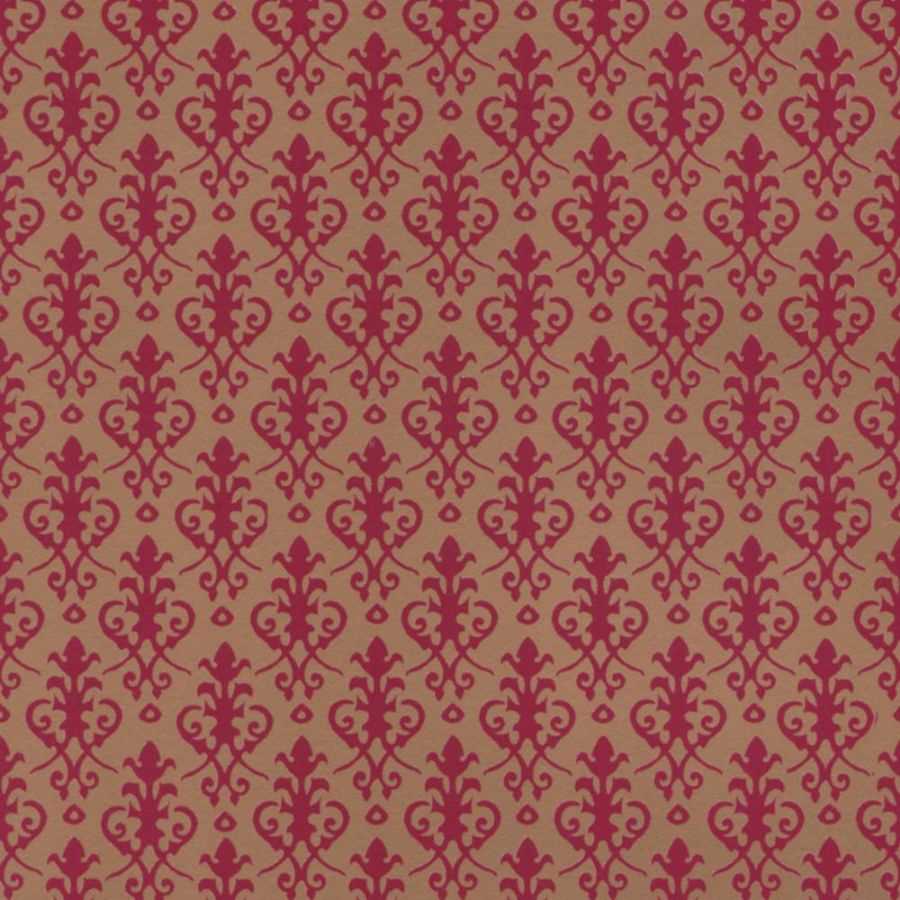
Start by selecting designs that align with the style of your miniature space. For traditional rooms, choose patterns like floral prints or wood paneling. For a more modern look, opt for sleek, geometric designs. Make sure to print designs at the right scale, typically 1:12 for most models.
Consider the material you’ll print on. If using standard paper, ensure it’s thin enough to fit seamlessly into the walls without creating visible bulk. If you want durability, look into using heavier cardstock or textured paper for a more realistic feel.
Once you’ve picked the perfect pattern, use a high-quality printer to get crisp, clean prints. It’s important to print on high-resolution settings to avoid pixelation, especially for detailed patterns. After printing, trim the edges carefully to avoid jagged lines and ensure precise placement in your model.
When applying, take your time to align the design correctly. For the best results, use a glue stick or Mod Podge to gently attach the paper, avoiding bubbles or wrinkles. Work slowly to ensure smooth application, pressing out any air pockets as you go along.
Printable Dollhouse Wallpaper
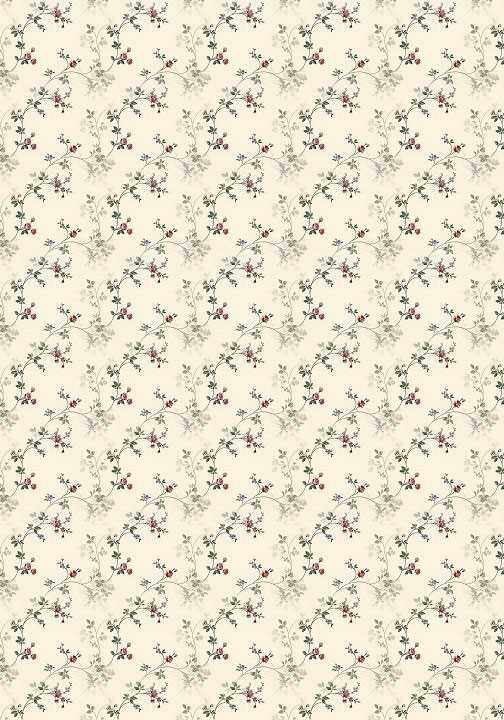
Choose a design that complements the room’s theme. For example, vintage-style interiors work best with patterns like damask or floral, while modern spaces can benefit from geometric or minimalist prints. Ensure the design suits the proportions of your miniatures to avoid disproportionate patterns.
When selecting a texture, consider the visual effect. If you’re looking for a more realistic look, opt for textured paper or those with a slight sheen. This will mimic the appearance of real-life materials such as silk, linen, or velvet.
Measure the wall areas of your model carefully before printing. Use these measurements to adjust the scale of the design. Many websites provide ready-to-print templates in common scales, such as 1:12 or 1:24, so you can easily match the size of your paper to your miniature space.
Pay attention to the weight and thickness of the paper used. Heavier cardstock will provide more structure, while thinner paper may be easier to work with when it comes to fitting it into tight spaces. If using cardstock, make sure your printer can handle the weight without jamming.
Don’t forget to include accent details like borders or trim. These small touches can elevate the overall look and make the design appear more polished. Some templates include ready-made borders that match the design, while others leave space for you to add your own finishing touches.
Finally, be patient during the application process. Apply a thin layer of glue to the back of the paper, smoothing it out as you go. Work in small sections, aligning each piece carefully to avoid crooked seams. Press down gently and allow it to dry completely before adding furniture or accessories.
How to Choose the Right Printable Wallpaper for Your Dollhouse
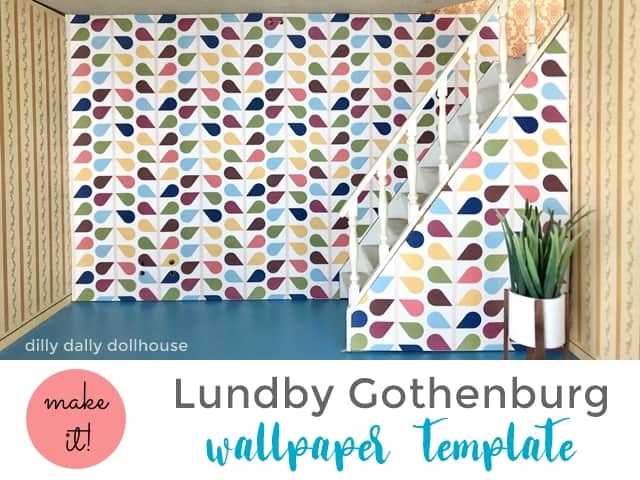
Select the pattern that matches the style of the room. For classic interiors, opt for vintage floral or stripes, while modern rooms may look better with geometric shapes or solid colors. Think about how the pattern will work with your miniature furniture and accessories.
Consider the scale of your model. Most miniature structures use a 1:12 scale, but make sure to measure your walls first. Many online resources offer downloadable designs in multiple scales, so check the scale options before printing.
- Textured designs: Choose prints that replicate real-life materials, like brick, wood, or fabric. Textured designs add realism and create depth in smaller spaces.
- Simple patterns: If the room has a lot of intricate details, opt for simpler prints to avoid visual overload. Subtle textures or plain designs can act as a backdrop.
If the model has unique architectural features, like arches or alcoves, pick patterns that can flow seamlessly across these features. A continuous design will ensure a cohesive look. Avoid patterns that might break awkwardly at corners or edges.
Material choice matters–lighter paper will be easier to apply, but heavier stock gives a more durable and realistic finish. If you’re aiming for a textured effect, heavier cardstock or even fabric-backed paper will work best.
Lastly, remember to experiment with color. Lighter shades can make smaller spaces feel larger, while darker tones add coziness. Select a color palette that complements the furniture or theme you want to establish for the room.