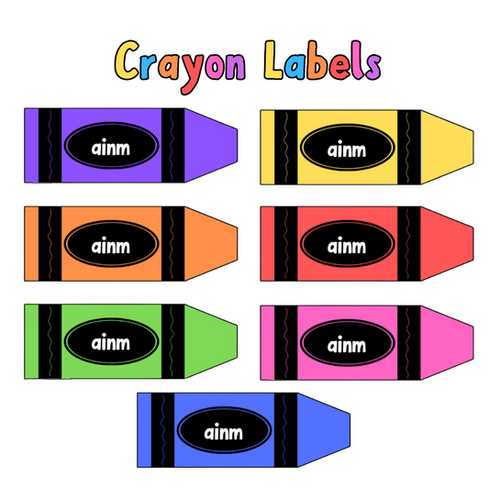
Design storage tags for easy access to art materials by creating simple, clear identifiers for each set. Divide the labels into categories based on color, type, or intended use. This method ensures a streamlined organization system that makes it quicker to find what you need during creative sessions.
Select durable materials when printing the tags, such as adhesive-backed paper or laminated sheets. These materials will stand up to frequent handling, whether in a classroom, studio, or home setting. Opt for waterproof or smudge-proof finishes to make the tags more resistant to wear over time.
After printing, cut and attach the tags to the appropriate containers or storage bins. Arrange them by color or type for quick identification, and consider using different colors for each category. This method not only improves organization but also adds a visual appeal to your workspace, making it both functional and attractive.
Creating Effective Organizational Tags for Art Supplies
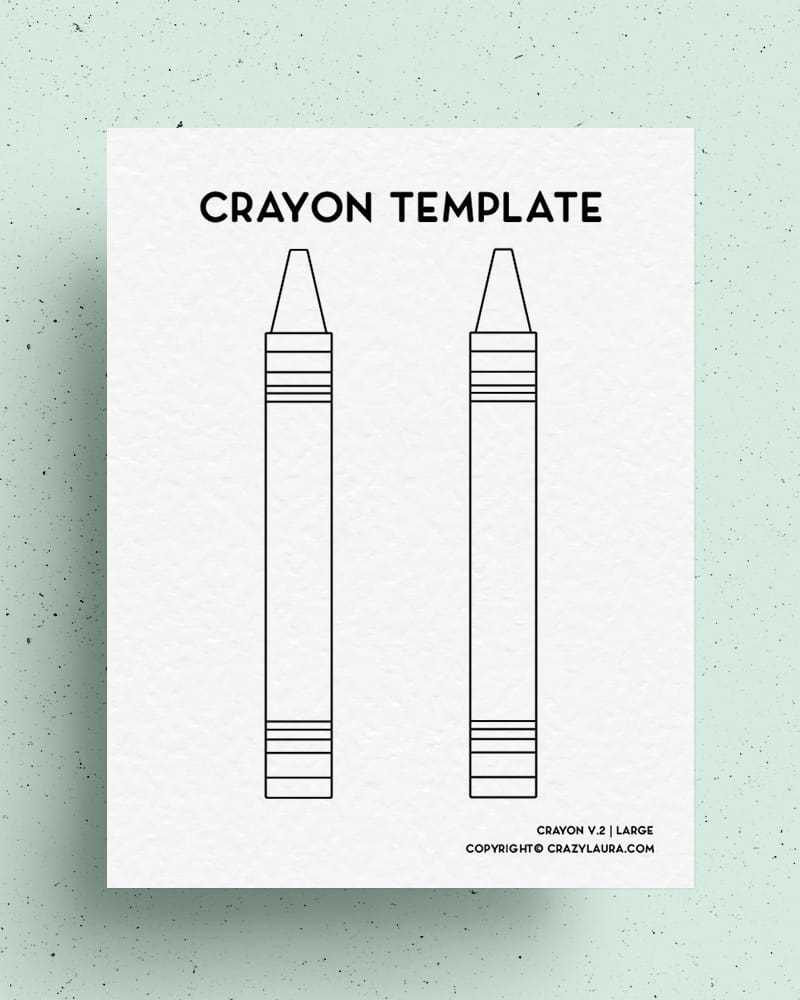
Start by designing simple tags for your art tools. Keep them clear and concise, focusing on the essential details: the product’s name or color. These small identifiers help quickly organize your materials, especially when working in a crowded space like a classroom or art studio.
Choose durable, high-quality paper when crafting your tags. This ensures that the labels hold up to repeated use and won’t wear out quickly. Look for materials that are tear-resistant and can withstand handling, particularly in environments where supplies are often moved around.
Opt for colorful designs that match the colors of your materials. This visual alignment makes it easier to locate and identify specific items. Use contrasting shades for the background and text to enhance readability, especially in spaces with less-than-ideal lighting.
Consider size and shape carefully when designing your tags. They should be large enough to hold necessary information but not so large that they crowd the workspace. Labels that are too big can obstruct access to supplies, while too-small labels may be hard to read quickly.
Include practical details on each tag, like a product number or set identifier. This will help you keep track of where each item belongs, especially when you’re working with sets or assortments. Clear identifiers make it easy to restock or reorder supplies when necessary.
Ensure the design is adaptable so that you can make adjustments as your materials change. If you add new sets of tools, it should be simple to update the tags to reflect those additions. Flexible designs also allow for easier modifications over time without the need for starting from scratch.
Store and apply your tags strategically. Place them directly on containers, drawers, or storage bins. This method reduces clutter and makes the contents instantly recognizable. Tags applied to storage containers keep everything organized and make finding the right materials effortless.
How to Design Crayon Labels for Easy Storage
Use a color-coded system for quick identification. Group the crayons by their shades or sets and assign a unique color to each group. For instance, red for warm tones, blue for cool tones, and yellow for primary colors. This method not only organizes but also speeds up the process of finding the right hue when needed.
Choose large, readable fonts for the text on your markers. The key is to use fonts that are simple and easy to read from a distance. Larger, bolder text will make the tags more visible and easier to locate in storage, whether the materials are in drawers or containers.
Include important details, such as the quantity or brand, on the storage tags. This can help track supplies, ensuring you know how many colors you have or when to reorder. Clear details on the labels avoid confusion, especially when mixing different sets or keeping track of specific brands.
Ensure durability by printing the tags on thicker material or using self-adhesive paper. This will prevent damage from handling or the environment. Laminating the tags is another excellent option for maintaining their quality over time, ensuring that the markings remain intact and legible even after frequent use.