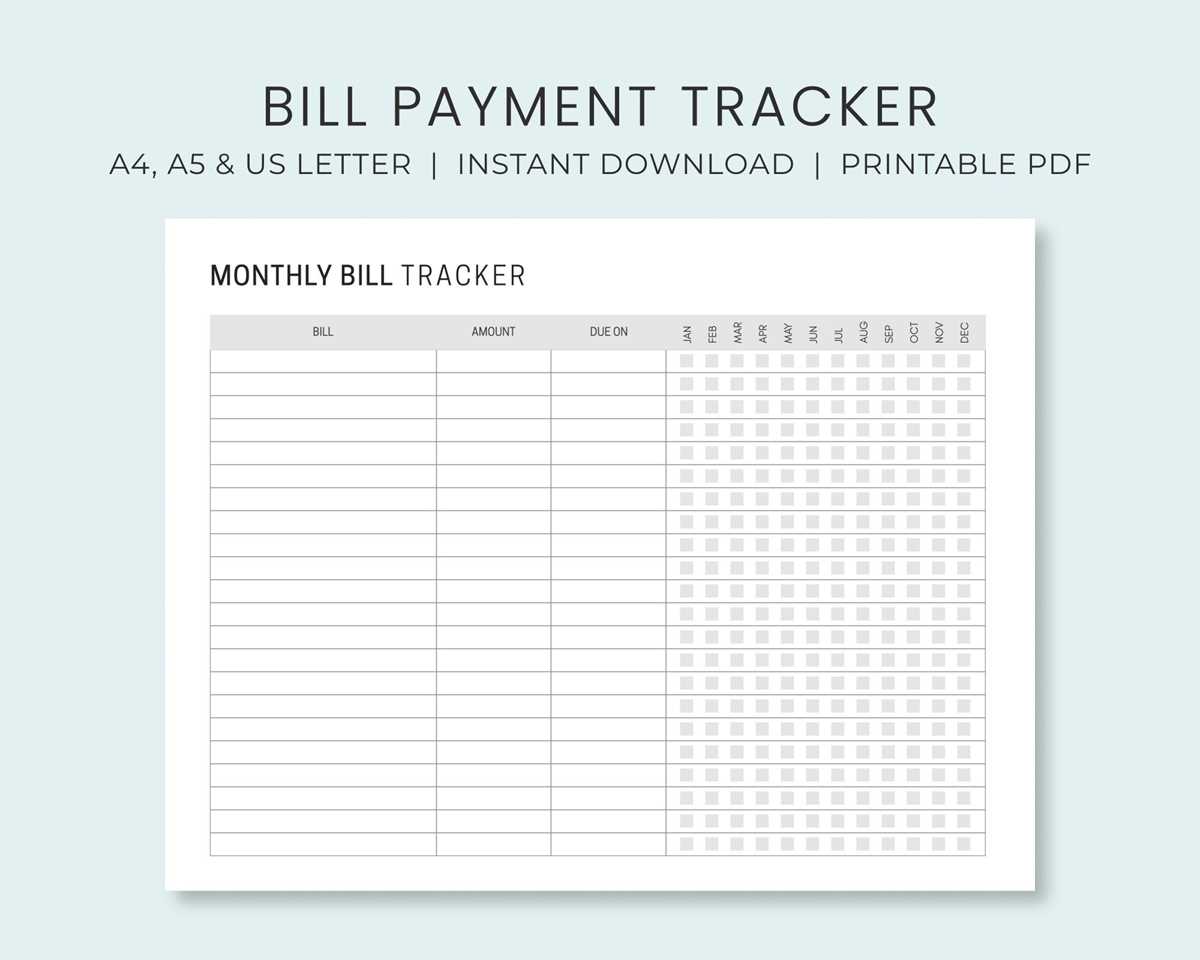
Managing monthly payments can be overwhelming, but staying on top of them is a simple task with the right tool. Use a basic spreadsheet or paper layout to monitor your expenses effectively. Write down due dates, amounts, and payment methods for each commitment. A clear overview will help avoid late fees and budgeting errors.
Customize the format to match your payment cycles. For instance, if you have recurring subscriptions, note their billing dates and adjust as necessary. A well-structured chart allows you to track payments across various categories, from utilities to loan repayments. This organization ensures you’re always aware of your financial obligations.
Avoid confusion by keeping the sheet updated regularly. Mark each item as paid once it’s settled, and always double-check amounts and deadlines. This small practice will make bill management far easier and more reliable, reducing the risk of missed payments.
Organizing Your Finances with a Simple Expense Sheet
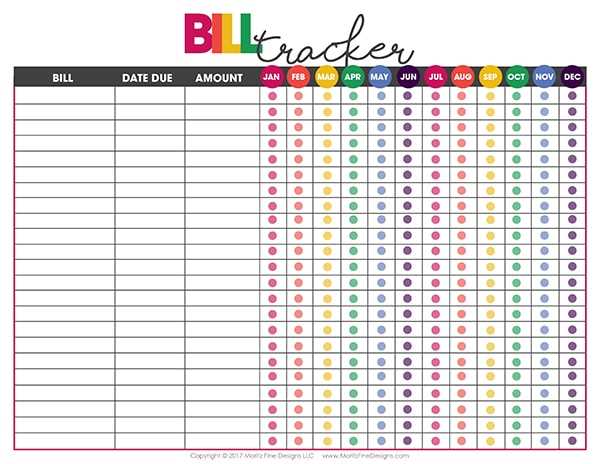
To streamline your financial planning, begin by creating a straightforward layout for your monthly payments. Use a basic document to record amounts, deadlines, and payment methods. This will give you a clear snapshot of upcoming obligations and help you avoid late fees.
Ensure your format suits your needs. If you have various types of recurring costs such as rent, utilities, or subscriptions, categorize them clearly. This will help you quickly identify what needs attention during each payment cycle. A segmented view improves organization and makes bill management far easier.
Each payment section should include details like due date, amount, and method of payment. Additionally, space for notes about changes, adjustments, or reminders can be beneficial. For instance, if a bill changes in price, you can add the new rate right next to the original payment information.
Update the document regularly. After you pay a bill, mark it as “paid” with the date of payment. This small habit will reduce the chances of accidentally missing a payment, and it will also allow you to monitor your payment history over time.
For those with more complex payment schedules, consider adding a “monthly overview” section. This can act as a visual summary, showing the total amount due each month and allowing you to plan accordingly. By having a quick reference point, you can see exactly how much you’ll need for the month ahead.
Another tip is to add a space for tracking any outstanding debts or balances. Knowing the total remaining amount on loans or credit cards will give you better insight into your overall financial situation and help you plan your payments effectively.
Finally, make sure your sheet is easily accessible. If you’re using a physical document, keep it in a visible place, such as on your desk or near your calendar. If you prefer digital, ensure it’s stored in a cloud service for easy access from any device. This will allow you to stay on top of your finances at all times.
How to Download and Print a Payment Organizer for Easy Use
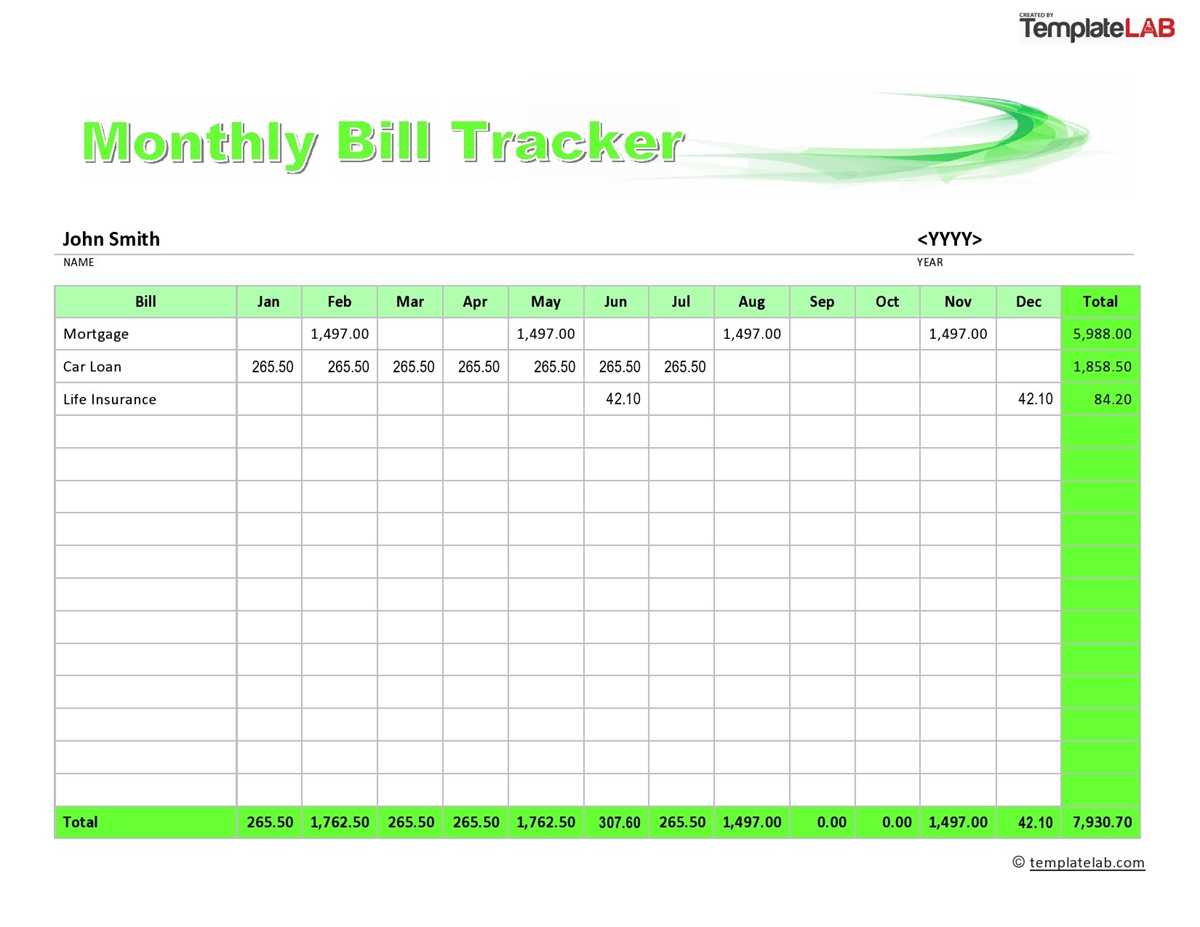
Begin by searching for a layout that suits your needs. There are many downloadable templates available online, so choose one that offers a clean design with clear sections for each payment. Ensure that it includes spaces for the due date, amount, and payment method for each entry.
Once you’ve selected a suitable template, check the format it’s available in. Most templates come in PDF or Excel formats, both of which are easy to download and print. PDFs offer a consistent layout across all devices, while Excel files allow for customization and easy editing.
After downloading, open the file and review the layout. Ensure it’s structured to fit your needs, with enough space for all your entries. If you’re using an Excel sheet, you can modify the columns or add rows to make room for additional payments or categories.
Next, make sure to adjust your printer settings to match the document size. Standard letter-sized paper is usually fine, but if the layout is large, you may need to adjust the scaling. In most cases, the print preview feature will help you see how the document will appear before you proceed with printing.
If you prefer a digital version, you can choose to keep the file saved on your device or in a cloud storage service. This allows for easy access anytime you need to update or check your finances. If you print it, consider making multiple copies so you have backups in case of damage.
Finally, once printed, keep the sheet somewhere easily accessible. A binder or folder can help you stay organized, while a clipboard allows for quick reference if you prefer a portable option. Regularly update the document as you make payments or receive new bills.