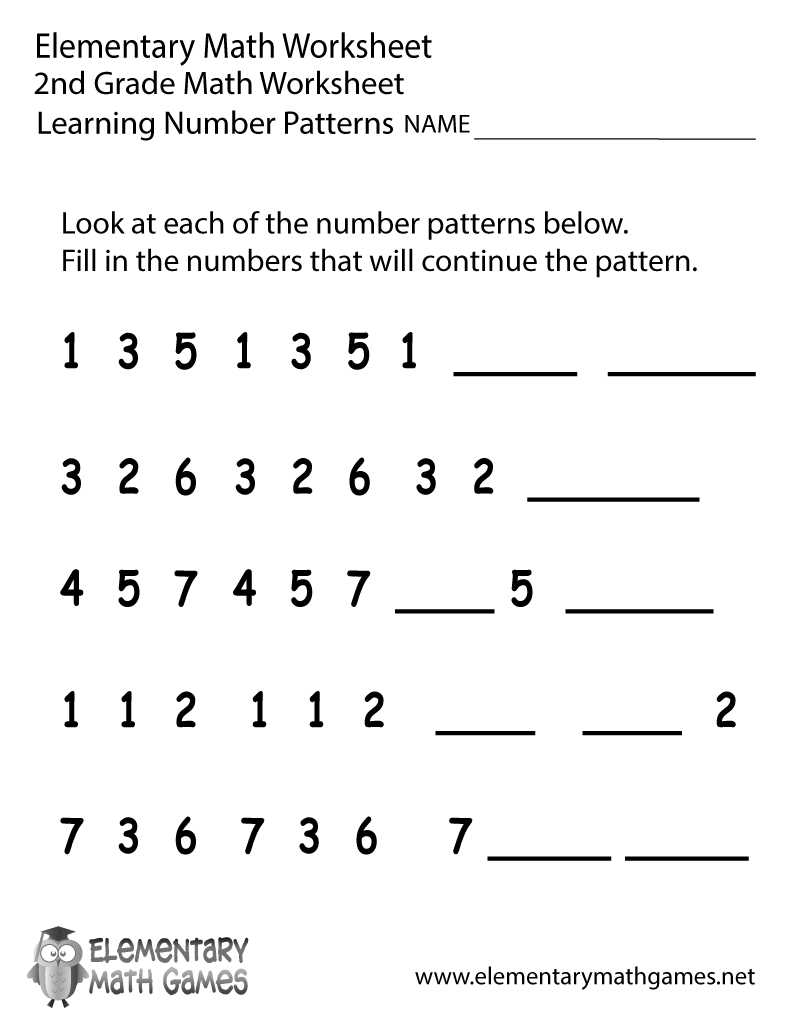
To strengthen a child’s basic arithmetic skills, it is important to find exercises that align with their current abilities. Using worksheets that cover topics like addition, subtraction, and early multiplication can be a great way to practice. These activities provide both repetition and variety, helping children to reinforce what they learn in school.
One way to support learning at home is by using resources that are easily accessible and can be printed out. Many websites offer worksheets that focus on key concepts that children encounter at this stage, from simple number patterns to word problems that require critical thinking. Choosing the right sheets ensures that children stay engaged and challenged at an appropriate level.
Additionally, integrating these exercises into a daily routine is a great method for building consistent practice. Set aside time each day for completing one or two sheets, and make it a fun activity with rewards for effort or improvement. Over time, this approach will contribute to the development of strong problem-solving skills and a deeper understanding of numerical concepts.
How to Use Simple Exercises to Improve Early Arithmetic Skills
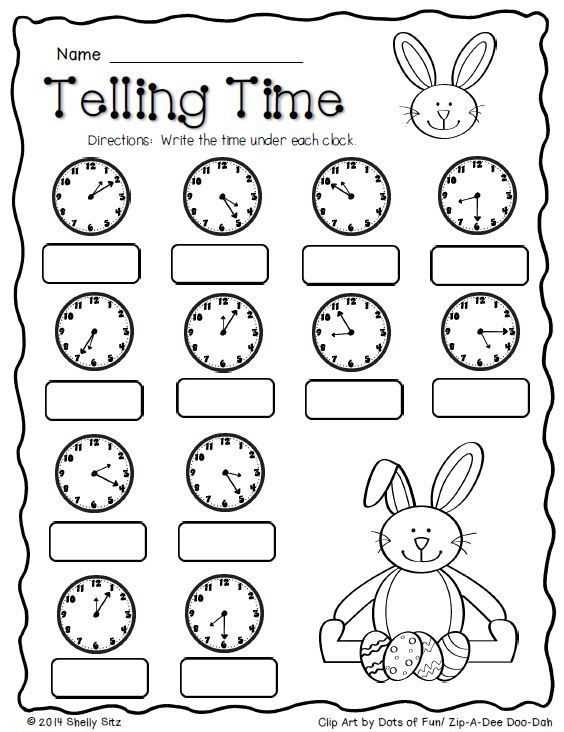
Begin by choosing resources that focus on basic number operations such as adding and subtracting within the range of 100. Opt for exercises that encourage visual recognition of numbers and operations, using tools like number lines or pictorial representations. This method provides a clear understanding of the relationship between numbers and their sums or differences.
Structure the exercises with varying difficulty levels. Start with straightforward problems, ensuring that the child is confident in their abilities before gradually introducing more challenging tasks. This could include double-digit addition or subtraction, which will naturally progress their skills in a manageable way.
Incorporate word problems into practice sessions. This format will help children understand how mathematical concepts apply to real-world scenarios. Present simple stories that require them to identify operations, solve the problems, and check their answers for accuracy.
Ensure consistent review of each concept through periodic repetition. Mixing up the formats of the problems, such as switching between multiple-choice, fill-in-the-blank, and drawing solutions, will keep the practice sessions fresh and engaging. This helps reinforce the material while maintaining interest and motivation.
How to Choose the Right Math Worksheets for Second Grade
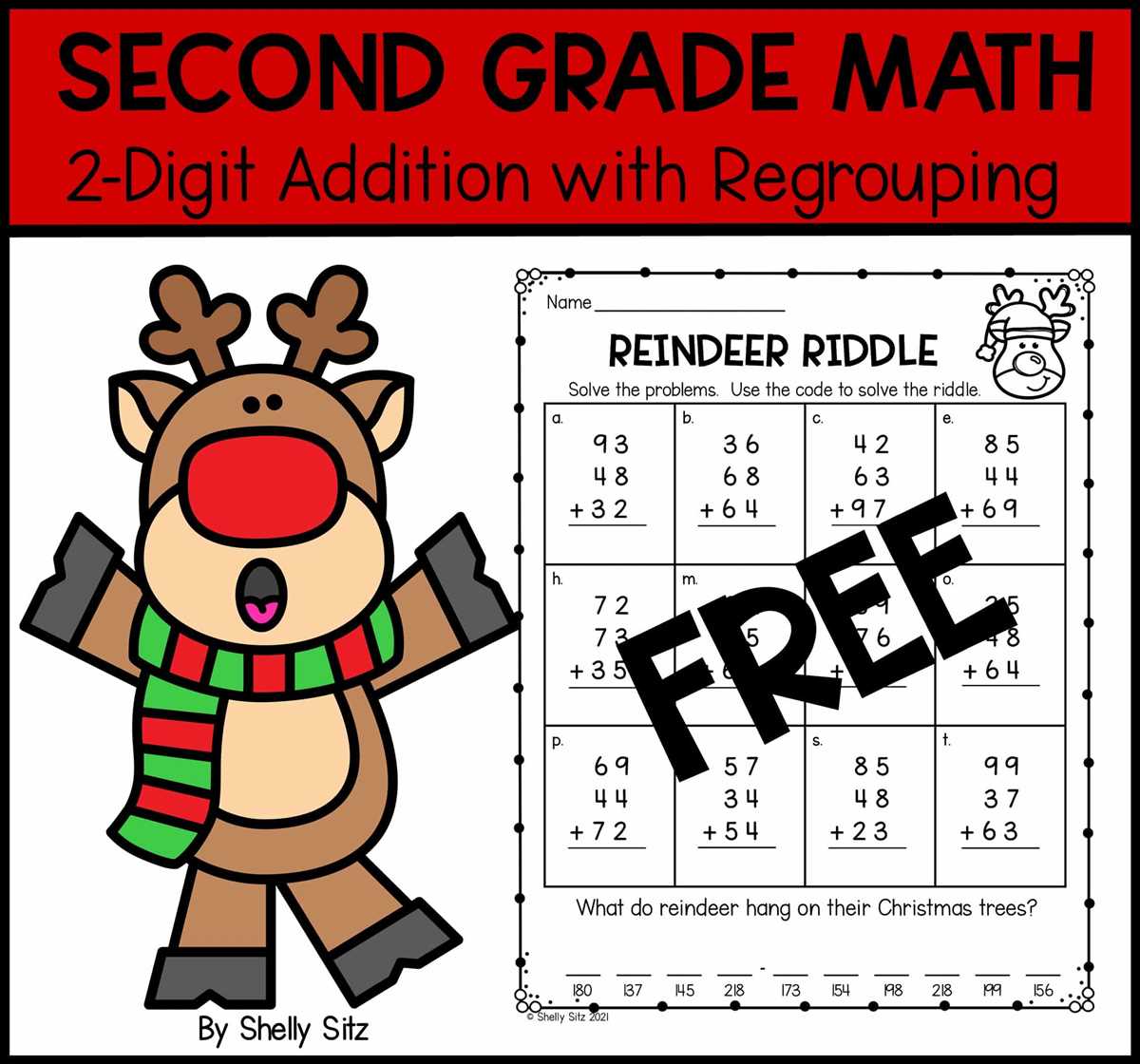
Begin by selecting exercises that focus on building foundational skills like simple addition and subtraction. Start with problems that involve numbers up to 100, as these are crucial for mastering early arithmetic. Make sure to include problems with varying levels of difficulty to challenge your child progressively.
Incorporate activities that encourage visual learning. Exercises that feature pictures, number lines, or grouping visuals can help solidify abstract concepts such as quantities and relationships between numbers. Children at this level often benefit from seeing math represented visually.
Look for activities that introduce new concepts gradually. For instance, after mastering basic addition and subtraction, progress to tasks that introduce place value and number patterns. The gradual increase in difficulty ensures that your child isn’t overwhelmed and builds confidence as they advance.
Choose exercises that incorporate word problems. This type of question encourages critical thinking and helps children apply their skills in real-life contexts. Word problems should align with the skills your child is currently practicing to reinforce learning while keeping it engaging.
Include a variety of problems. Exercises that mix different types of questions–such as mental math, visual puzzles, and written problems–help children stay engaged and learn to approach problems from multiple angles. A well-rounded approach encourages diverse problem-solving skills.
Lastly, ensure that the activities are enjoyable and motivating. Adding themes, fun challenges, or games into the practice will encourage your child to stay motivated. A positive attitude toward learning leads to more consistent practice and a deeper understanding of the material.