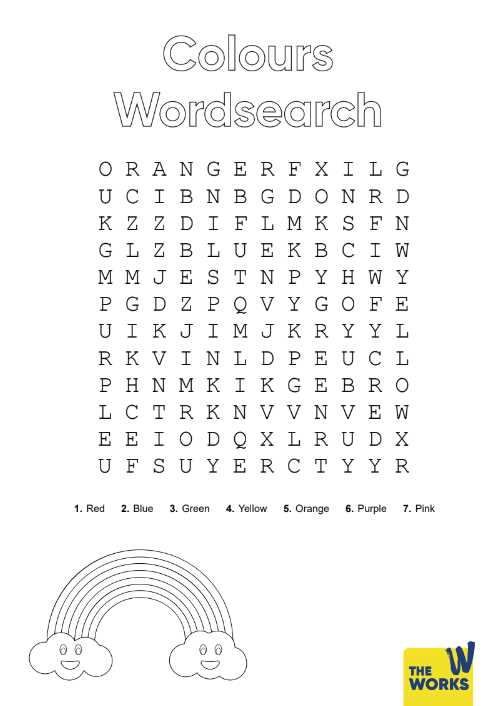
Start by printing out a variety of letter grids that include hidden terms. These activities help enhance focus and mental agility while providing entertainment. You can tailor the difficulty by adjusting the grid size and length of words, making them suitable for all age groups.
Choose themes that engage your interest, such as animals, sports, or holiday-related words. This personalization makes the puzzle more enjoyable and relevant, ensuring greater involvement. When you complete a puzzle, review the words you found to reinforce your memory and comprehension of the terms.
For younger participants, use smaller grids with simple terms that they can recognize easily. Adults can opt for larger grids or more complex themes to challenge their cognitive abilities. Regular practice will improve concentration, pattern recognition, and vocabulary retention.
How to Choose the Best Puzzles for Quick Enjoyment
To create enjoyable and accessible puzzles, focus on using a simple grid layout and easy-to-spot terms. Select a small grid size, such as 8×8, and choose common words for a more relaxed experience. A smaller grid will help players avoid frustration while still providing a challenge.
Select clear themes that will appeal to a wide audience, such as nature, food, or everyday objects. Themes with familiar terms keep participants engaged and ensure that they can quickly recognize the words. This approach helps beginners or younger players enjoy the activity without feeling overwhelmed.
Provide solutions for those who may need assistance in solving puzzles. This allows players to check their progress and feel a sense of accomplishment. Including the answer key makes the experience less stressful and encourages users to continue practicing their skills.
For a more rewarding experience, offer a variety of formats, such as printed grids or digital versions. This flexibility allows users to enjoy the activity on the go, whether at home, on a trip, or in the classroom. Adjusting the difficulty level by changing word length or grid size will also cater to different age groups and skill levels.
How to Create Simple Letter Grid Puzzles for Beginners
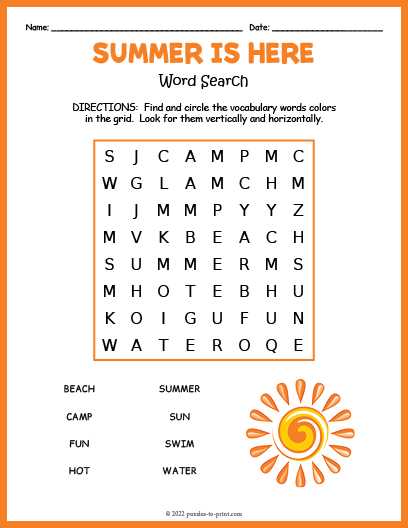
Start with a small grid, such as 8×8, to ensure that the puzzle is manageable. Select a limited number of terms, preferably 5-8, to make it less overwhelming. This will help beginners stay focused and build confidence while solving the puzzle.
Choose familiar terms that are easy to spot and recognize, such as basic animals, common objects, or simple actions. This makes the task enjoyable and ensures a quick, satisfying experience. Avoid using complex or uncommon words that may cause confusion.
To make it easier, place words only horizontally and vertically. Avoid diagonal or backward placements, as they may complicate the task for those just starting out. Keeping the words aligned in one direction simplifies the puzzle-solving process for beginners.
Once the grid is complete, fill in the remaining spaces with random letters to prevent players from easily guessing the word locations. Afterward, review the puzzle to ensure there are no hidden surprises. This step ensures a smooth and frustration-free solving experience.