Choose 9×9 logic grids that contain 28 to 32 given digits to achieve a balanced level of difficulty suitable for regular practice. This range typically requires techniques such as single candidates, hidden singles, and basic pairs, without relying on advanced chains or guesswork.
Download PDF sheets formatted with four grids per A4 or US Letter page to reduce paper use while keeping each square at least 0.5 inches wide for clear handwriting. Use black and white layouts with bold 3×3 box borders to improve visual separation and reduce solving errors.
Check that each set includes an answer key placed on a separate page. Verifying completed grids against a solution prevents reinforcing mistakes and helps track progress over time. Aim to complete one grid within 15 to 25 minutes to maintain steady improvement in pattern recognition and logical deduction.
Print copies on standard 80–100 gsm paper for everyday use, or select slightly thicker stock if using pencil with frequent erasing. Store completed sheets in a folder to review recurring errors, especially missed candidate eliminations within rows, columns, and 3×3 subgrids.
9×9 Number Grid Sheets and Structured Practice Guide
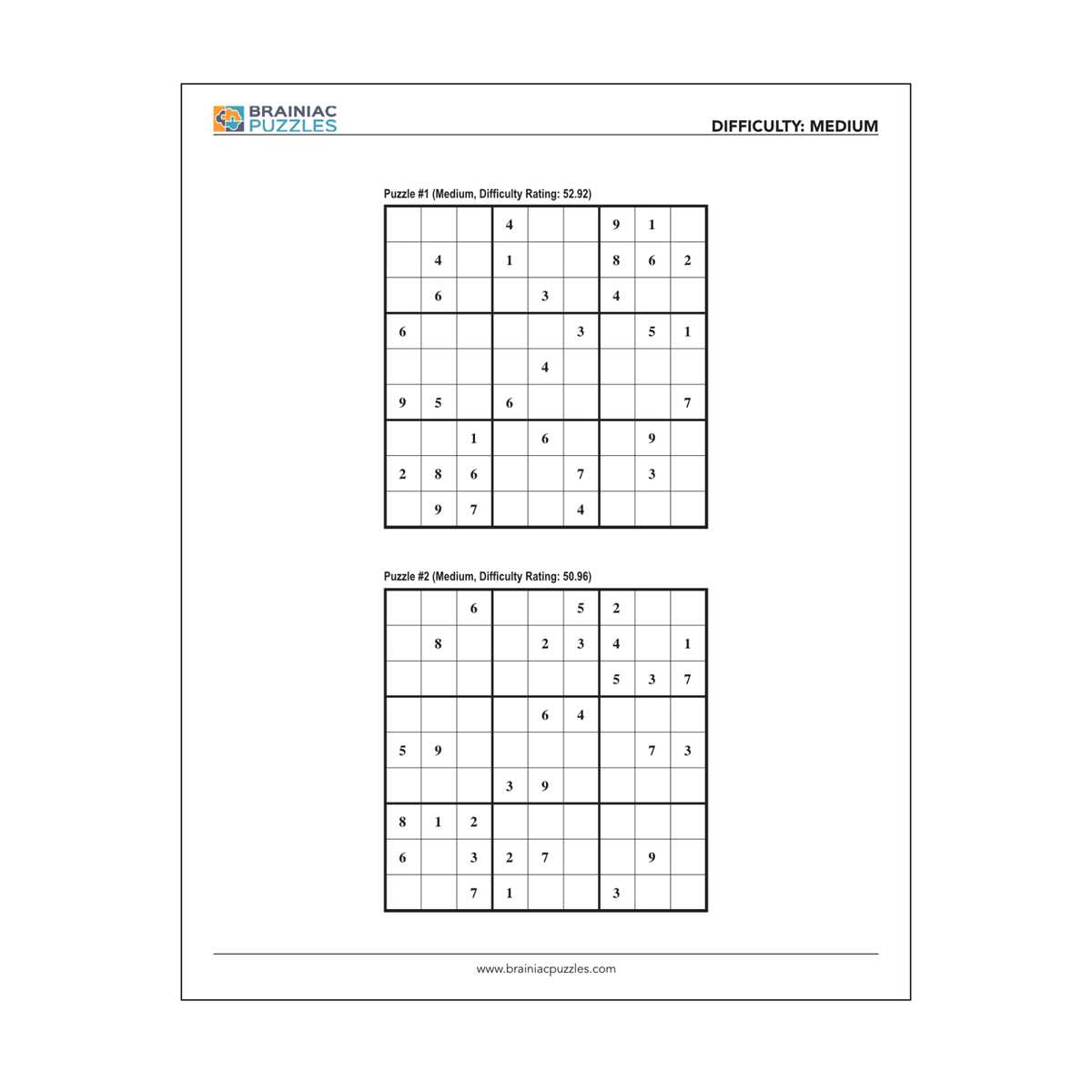
Select 9×9 logic grids with 28–32 prefilled digits to maintain balanced difficulty that requires singles, hidden singles, and basic pairs without advanced chains. This density pushes pattern recognition while keeping solving time within 15–25 minutes per grid for most regular players.
Download PDF sets formatted with two or four grids per page, ensuring each cell measures at least 12–14 mm for comfortable notation. Thick borders around each 3×3 box reduce scanning mistakes across rows and columns. Use high-contrast black lines on white background and avoid decorative elements that distract from number placement.
During practice, write small candidate numbers in the corners of each square rather than guessing. Eliminate options systematically row by row, then column by column, and finally within each 3×3 region. Track solving time and note which techniques were required; if completion exceeds 30 minutes consistently, switch to grids with 30–34 givens before progressing to harder sets.
Always verify solutions using a separate answer key page. Review incorrect entries by identifying where a duplicate digit first appeared in a row, column, or box. Store completed sheets in chronological order to measure improvement in speed and logical accuracy across multiple sessions.
How to Identify True Intermediate Difficulty in 9×9 Number Grids
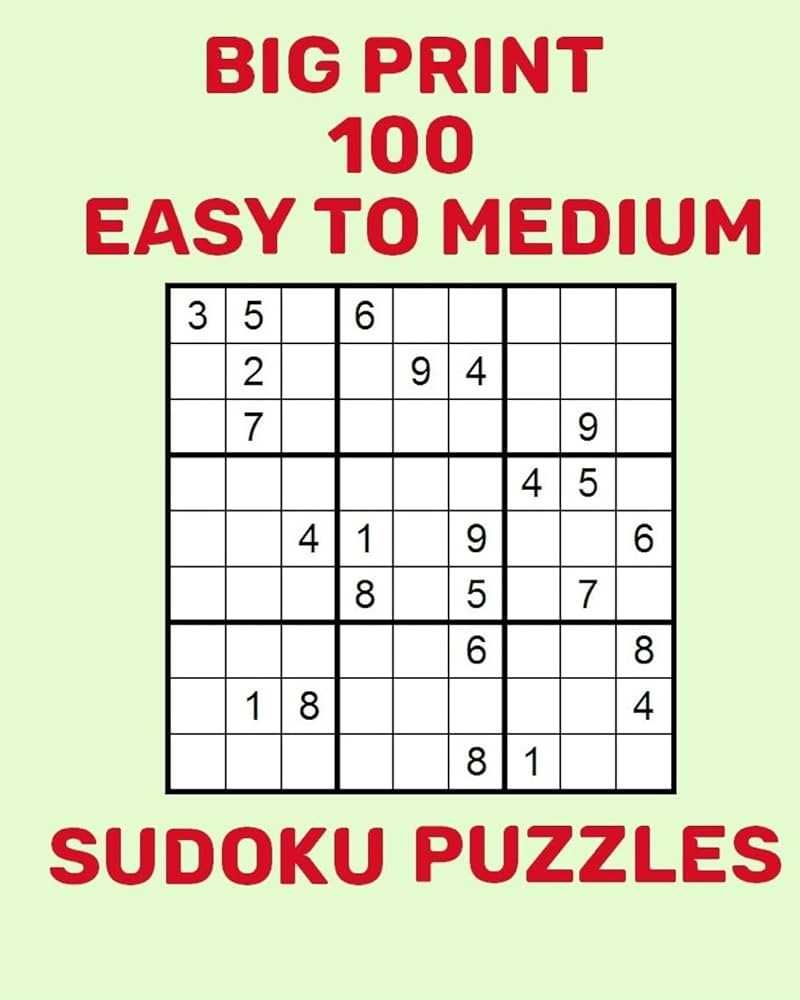
Count the given digits first; a balanced 9×9 logic grid at this level usually contains 28 to 32 filled cells. Fewer than 26 often signals advanced solving paths, while more than 34 typically allows completion using only direct singles.
Check whether the grid can be solved using single candidates, hidden singles, and basic pairs without relying on trial and error. If progress requires guessing or long inference chains, the challenge exceeds the intended level.
Scan each row, column, and 3×3 box after the first five placements. At this stage, at least one new single should appear through elimination alone. If no deterministic move is available early on, the grid likely belongs to a harder category.
Evaluate candidate density. In a balanced 9×9 number challenge, most unsolved cells should narrow down to two or three options after initial scanning. When many cells retain four or more candidates deep into the solve, the difficulty rises significantly.
Measure average solving time across multiple attempts. For players familiar with basic strategies, completion should fall between 15 and 25 minutes without rushing. Consistent times under 10 minutes indicate an easier set; exceeding 35 minutes suggests advanced construction.
Observe symmetry and clue distribution. Well-constructed grids at this tier often show rotational symmetry and an even spread of givens across all regions. Large empty clusters in one quadrant tend to increase complexity.
Review the solution path after finishing. If techniques such as pointing pairs or simple box-line interactions were sufficient, the classification aligns with intermediate difficulty. The absence of advanced pattern requirements confirms proper labeling.
Test several grids from the same source. Consistency in required strategies and solving time provides a more reliable indicator than a single example.