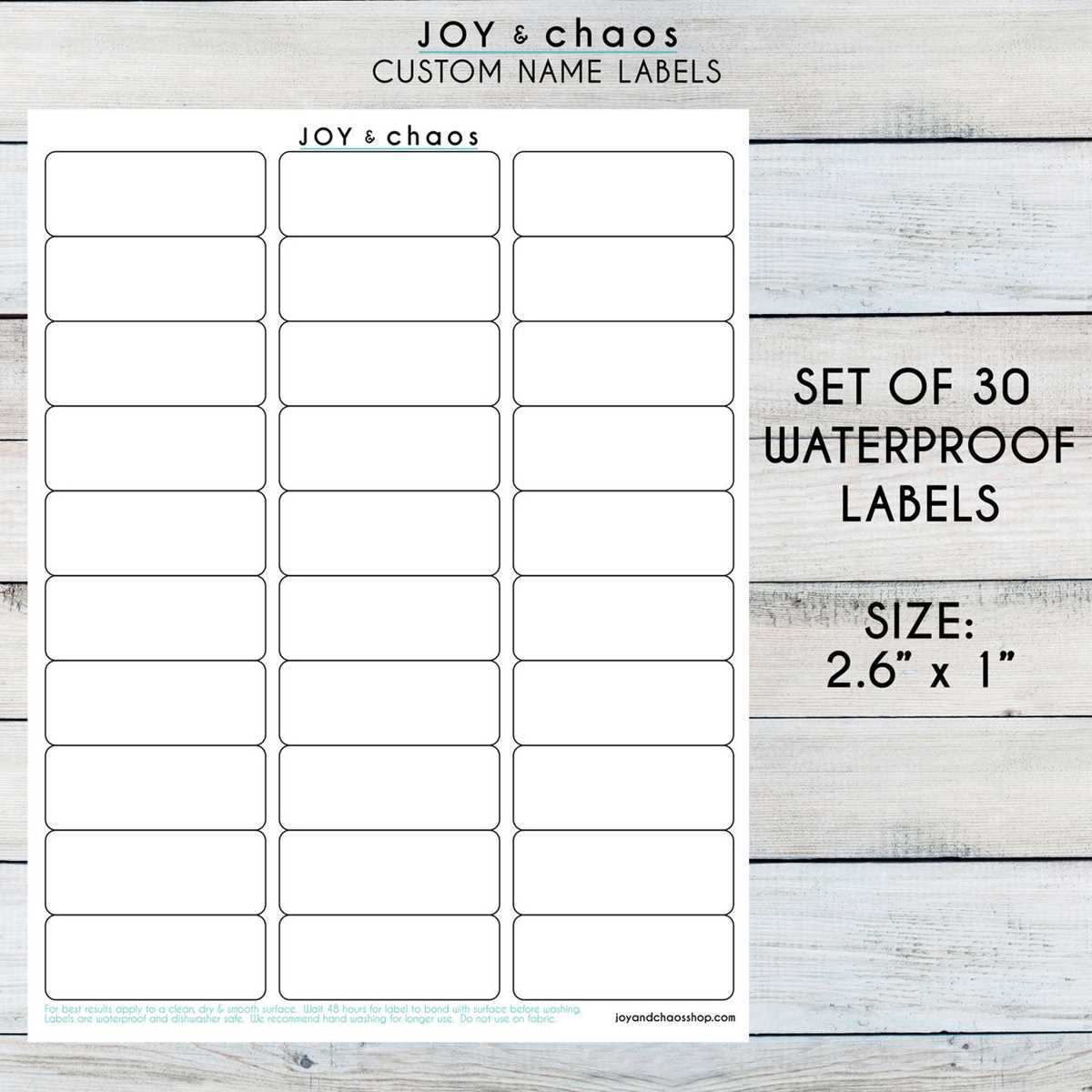
For projects requiring durable and long-lasting stickers, it’s crucial to use the right materials. Start by selecting synthetic paper or vinyl sheets, which are both water-resistant and tear-proof. These materials ensure your designs stay intact even in wet conditions, making them ideal for outdoor use or labeling items exposed to moisture.
To ensure your designs are as durable as possible, opt for a printer that supports heavy-duty materials. Inkjet printers work well with water-resistant sheets, but make sure to use pigment-based ink for better water resistance. Once your design is printed, laminate it or apply a protective coating to further safeguard it from fading or smudging when exposed to water.
These durable tags can be used for a variety of purposes, from organizing storage bins in a damp basement to labeling garden supplies that might be exposed to rain. With the right materials and printing techniques, you can create long-lasting and reliable identifiers for nearly any environment.
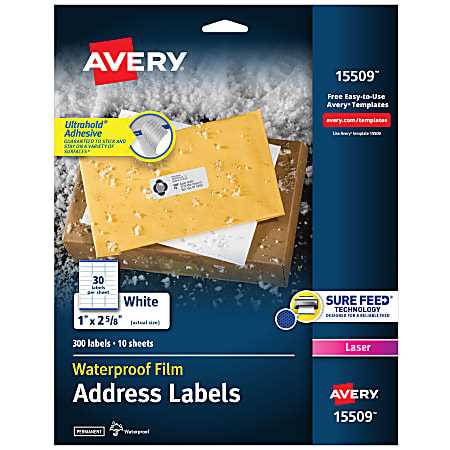
Waterproof Printable Labels
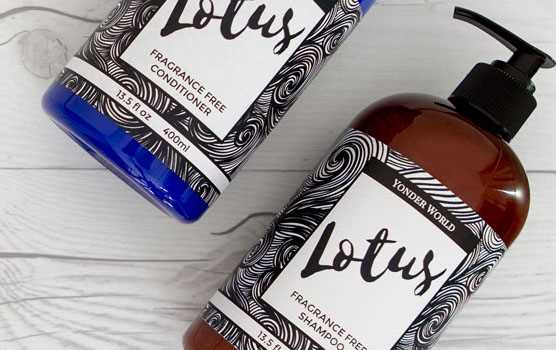
To ensure durability in humid or wet conditions, start by choosing synthetic sheets like vinyl or polyester. These materials are resistant to water, making them ideal for applications such as product labeling for outdoor goods or storage bins in damp environments. They’re sturdy enough to withstand exposure to moisture without degrading over time.
For printing, use an inkjet or laser printer that supports thicker sheets designed for tough materials. Opt for pigment-based ink, as it offers superior resistance to smudging or fading when exposed to water. To ensure longevity, consider adding a protective laminate or coating over your printed designs for an extra layer of defense against wear and tear.
These durable stickers can be used for a range of tasks, from organizing garden tools and equipment to labeling items in freezers or refrigerators. With the proper materials and printing methods, you can create labels that maintain their integrity even in challenging environments where moisture is a concern.
Choosing the Right Material for Waterproof Labels
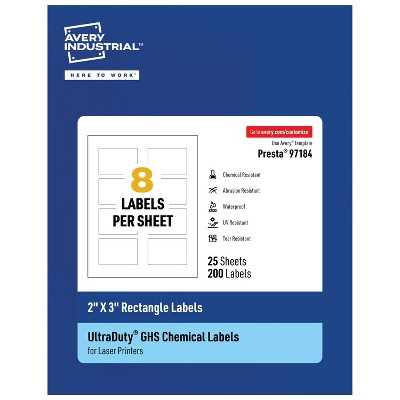
When selecting materials for durable stickers, vinyl is often the best choice. It’s tough, flexible, and resistant to moisture, making it ideal for both indoor and outdoor applications. Vinyl sheets come in various finishes, including glossy, matte, and transparent, allowing you to choose the right look for your project.
Another strong option is polyester. This material is known for its high resistance to water and abrasion. It’s also tear-resistant and performs well in extreme temperatures. Polyester sheets are commonly used for industrial labels, packaging, and products exposed to harsh environments.
For budget-conscious projects, synthetic paper can be an alternative to vinyl and polyester. While not as robust, synthetic paper still offers good resistance to moisture and is often more affordable. This material is ideal for temporary use or low-traffic applications where durability isn’t the top priority.
To print on these materials, ensure that your printer is compatible with thicker, non-paper sheets. Inkjet printers generally work with vinyl and polyester, but laser printers may be more suitable for certain applications, especially when printing large quantities of labels for professional use.
Consider adding a protective coating for extra longevity. Laminating your printed material or using a clear adhesive film can further enhance the resistance to water and UV rays. This is especially important if the labels will be exposed to direct sunlight or constant moisture.
For specialized applications, such as food storage or chemicals, food-safe and chemical-resistant materials should be considered. Some manufacturers offer products specifically designed for labeling bottles, jars, or containers that require compliance with health and safety standards.
Another factor to consider is the adhesive. Opt for a permanent adhesive if you need the material to stay attached for an extended period. For temporary use, a removable adhesive will allow you to peel off the sticker without leaving residue behind.
Finally, always test a small sample before printing large batches. This ensures compatibility between the material, ink, and printer, allowing you to adjust settings or change supplies if necessary for optimal results.