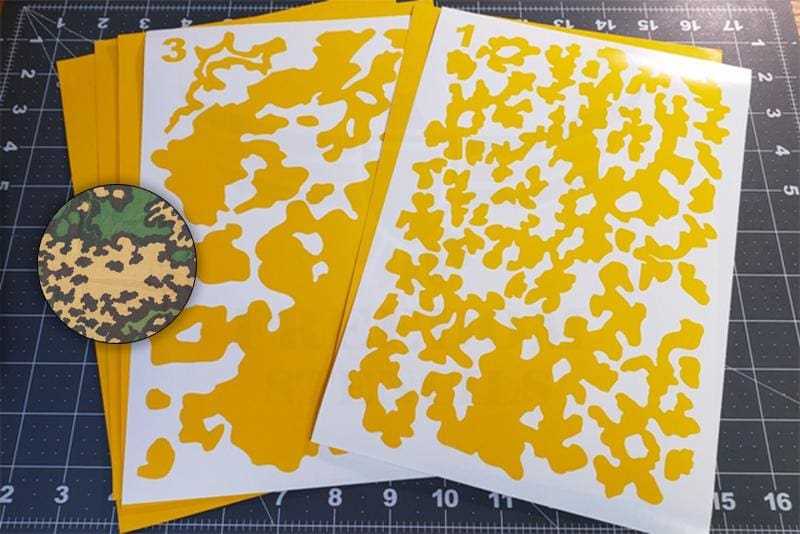
If you’re looking to add a rugged, outdoorsy touch to your DIY project, one of the best ways to do so is by using versatile designs that mimic natural textures. Whether you’re personalizing gear, decorating walls, or crafting unique art pieces, creating your own designs can elevate the look and feel of your project. To begin, select a pattern that aligns with the look you’re trying to achieve–whether that’s military-inspired, woodland, or abstract motifs.
When selecting a design, consider the size and complexity of the shapes. Intricate designs may require a steady hand and more time, while simple, large patterns can be quicker to execute and are often better for large surfaces. Ensure that the paper or material you choose for printing or cutting can hold the fine details of the design without tearing or blurring, especially if you’re aiming for clean edges.
Additionally, before you start creating your own patterns, familiarize yourself with different methods of application. You can use spray paints, brushes, or even sponges to apply the design. Each method can provide a different finish, so choose based on the texture you want to achieve and the material being decorated. Pay attention to the instructions on materials to make sure you’re using the right tools for the best results.
How to Use Templates for Customized Designs
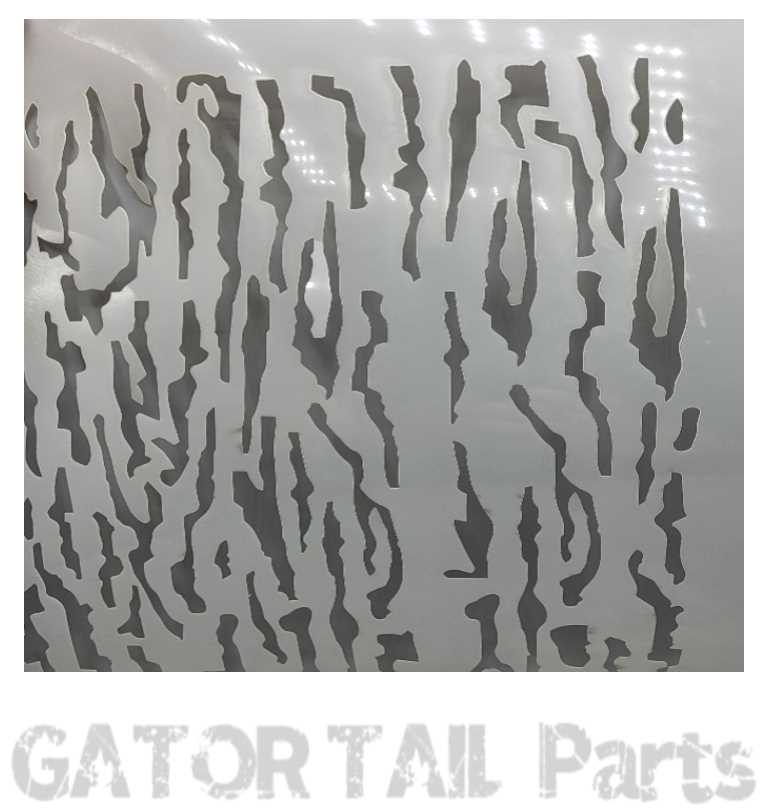
Select a design with clean, defined edges if you need precision for a neat outcome. For a more rugged, textured look, choose patterns with irregular shapes that create a natural, imperfect effect. It’s important to test the design on a smaller section first to ensure the fit before applying it to the larger area. This will help avoid mistakes during the actual project.
Using thicker, durable material for your template ensures a clean transfer of the design onto the surface. If you’re working on textured surfaces, such as fabric or wood, consider using a material that holds its shape well when applied. You can also use a spray adhesive to secure the template, keeping it in place while painting, and ensure crisp edges for a professional finish.
How to Choose the Right Pattern for Your Project
Consider the environment where your project will be placed. If it’s for outdoor use, a woodland design with green and brown tones will blend well with natural surroundings. For urban or industrial settings, choose a pattern with sharper contrasts, like black and grey, to create a more rugged, urban feel.
Take into account the surface you’re working with. Smooth surfaces like metal or plastic require a tighter, cleaner design for better paint adherence. Rough surfaces such as concrete or fabric may benefit from a larger, more abstract pattern that complements the texture.
For projects that need more camouflage, opt for complex, overlapping patterns with varying shades. This will create depth and visual interest, making it harder to distinguish the design from the background. On the other hand, a simpler, more minimalist approach can make a statement without overwhelming the space.
Experiment with layering different patterns for a unique result. Layering lighter and darker elements can give the design a more dynamic, three-dimensional look. It’s important to keep the layering balanced so that it doesn’t look too chaotic or mismatched.
Pay attention to the scale of the design. A large pattern works well for bigger areas, such as walls or furniture, while smaller designs are ideal for smaller items like clothing or accessories. Adjust the scale to match the proportions of your project to ensure the design isn’t too overpowering or too subtle.
Ensure the pattern complements the project’s overall aesthetic. Whether the goal is to create a military-inspired look, a vintage vibe, or something entirely modern, select a pattern that fits the desired style. Using colors and shapes that align with the project’s theme can enhance its visual impact.
Finally, consider how much time and effort you want to invest. Some designs are more intricate and require more careful application, while others are simple and quick to complete. Choose a design that fits your skills and the time you have available for the project.