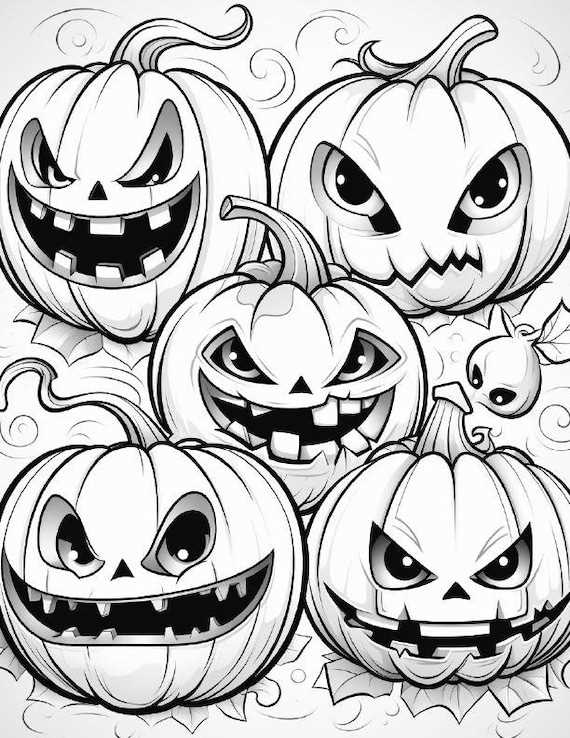
Start with sheets featuring iconic autumnal symbols like carved pumpkins, cobwebs, witches, and haunted houses. Select designs that balance simplicity for younger participants and intricate patterns for older enthusiasts to maximize engagement and satisfaction.
Focus on the dimensions and layout of each template. Larger outlines allow for broader strokes and detailed decoration, while compact motifs suit quick projects or smaller workspaces. Using a variety of sizes can keep different age groups entertained simultaneously.
Consider thematic consistency across sets. Mix traditional imagery such as ghosts and skeletons with modern interpretations like quirky monsters or festive costumes. This blend ensures that the sheets remain appealing to both children and adults seeking seasonal crafting challenges.
Evaluate the type of paper or material to use. Heavier stock provides durability for repeated handling, while lighter options are ideal for single-session use or classroom distribution. This choice affects how colors appear and the overall handling experience.
Introduce interactive elements like connect-the-dots or pattern tracing. Combining these activities with standard outlines improves fine motor skills and keeps participants engaged for longer periods without losing interest.
Plan for accessibility and ease of replication. High-contrast designs ensure visibility under various lighting conditions, and simple reproduction methods enable easy distribution for group events or home use.
Encourage experimentation with different media. Crayons, markers, colored pencils, or watercolor can produce varied textures and effects, enriching the creative experience and allowing each participant to personalize their work uniquely.
Rotate sets regularly to maintain interest. Introducing new motifs or seasonal variations keeps the activity fresh and motivates repeated participation, turning each session into a novel and enjoyable challenge.
Detailed Plan for Spooky-Themed Activity Sheets
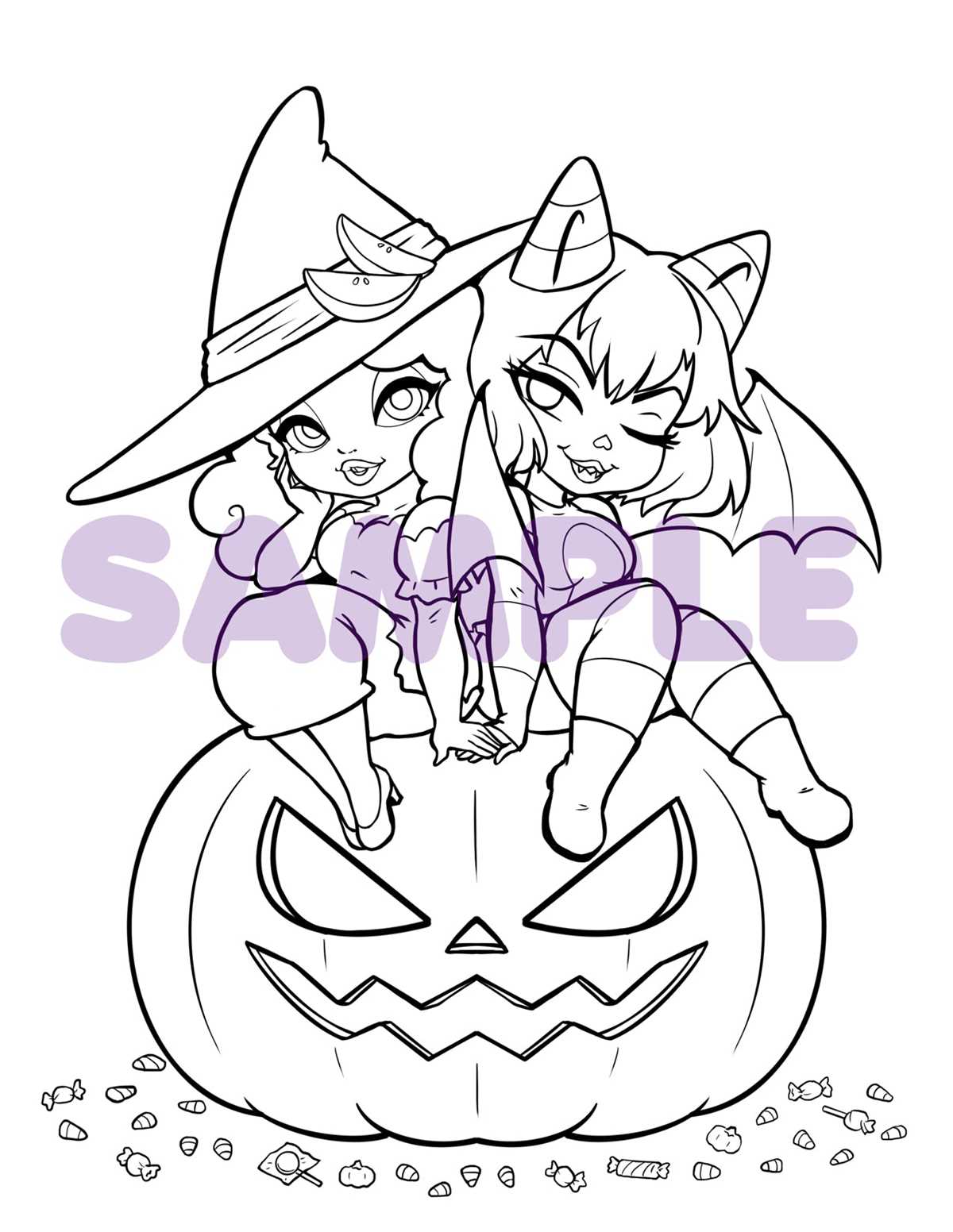
Begin with a clear theme outline to guide the design of your spooky illustrations. Decide on key motifs such as haunted houses, witches, pumpkins, or ghosts. Create a list of 8–12 motifs for balanced variety, ensuring some are simple for younger children and others offer intricate details for older participants.
Organize the templates by complexity and size. Use a three-tier system:
- Level 1: Large shapes with minimal detail for quick fills.
- Level 2: Medium complexity combining patterns and simple textures.
- Level 3: Highly detailed designs with layered elements and fine lines.
This helps users select sheets suitable for different skill levels or group activities.
Include instructional notes on line thickness and spacing. Thin outlines encourage precise coloring or pencil shading, while bold contours allow markers or crayons without bleeding. For multi-page sets, consider consistent margins and alignment so sheets can be bound or displayed together.
Plan supplementary elements like frames, banners, and small decorative accents. These additions make the artwork more engaging and can be used for labeling or creating themed booklets. Offering optional motifs that can be mixed between sheets adds flexibility for creative arrangements.
Top Characters and Scenes for Seasonal Illustrations
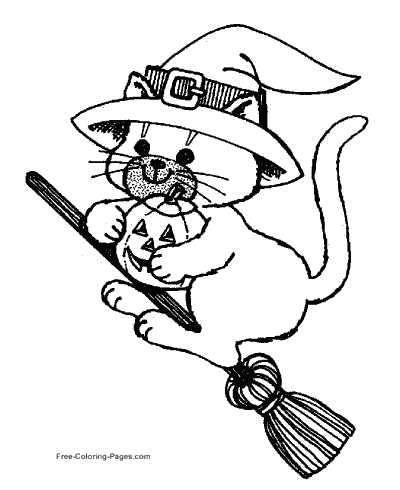
Focus on iconic figures like witches perched on broomsticks, playful ghosts drifting through moonlit graveyards, and mischievous black cats prowling near jack-o’-lanterns. Spooky forests with gnarled trees, haunted houses with flickering windows, and bubbling cauldrons surrounded by potion ingredients provide dynamic settings for artistic expression. Adding flying bats, full moons, and scattered autumn leaves enriches the atmosphere and gives young artists varied elements to fill with color.
Scenes featuring costumed children trick-or-treating, witches stirring potions in mystical kitchens, and skeletons dancing around lantern-lit pathways create lively compositions. Pumpkin patches with vines curling around fences, mysterious forest clearings, and candle-lit tombstones enhance storytelling within the illustration. Incorporating a mix of humorous and eerie motifs allows for imaginative exploration, encouraging detailed shading, patterns, and contrasting hues that bring each character and backdrop to life.