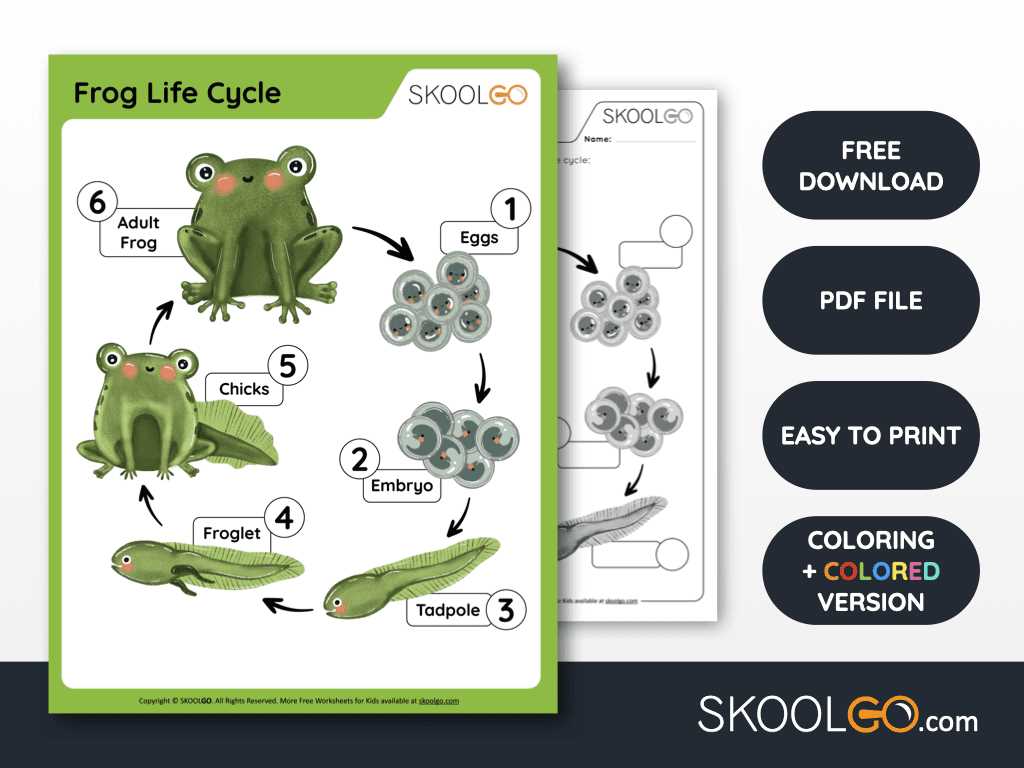
Use a clear amphibian development chart sized to standard letter paper (8.5×11 inches) so children can easily follow each transformation stage without crowding. Choose files with labeled visuals of egg clusters, tadpoles, froglets, and adult amphibians. High-contrast graphics improve recognition during group instruction or independent work.
Resolution matters. Select materials prepared at 300 DPI or higher to avoid blurry text and washed-out illustrations. For repeated classroom handling, print on 24–32 lb paper or light cardstock. Lamination extends usability during science centers or hands-on activities involving markers.
Keep the layout simple and sequential. A horizontal flow from left to right helps early learners grasp biological progression faster than circular diagrams packed with small text. Include wide margins for cutting tasks or notebook glue-ins, especially for kindergarten through grade two.
Match vocabulary to the student level. Younger children benefit from single-word labels, while older elementary students can handle short descriptive phrases. Providing both versions allows one resource to support differentiated instruction without redesign.
Store the finished sheets in labeled folders or binders sorted by topic and grade band. This prevents last-minute searching before lessons and keeps your amphibian metamorphosis materials ready for repeated classroom use.
Frog Life Cycle Free Printable for Classroom Science and Home Learning
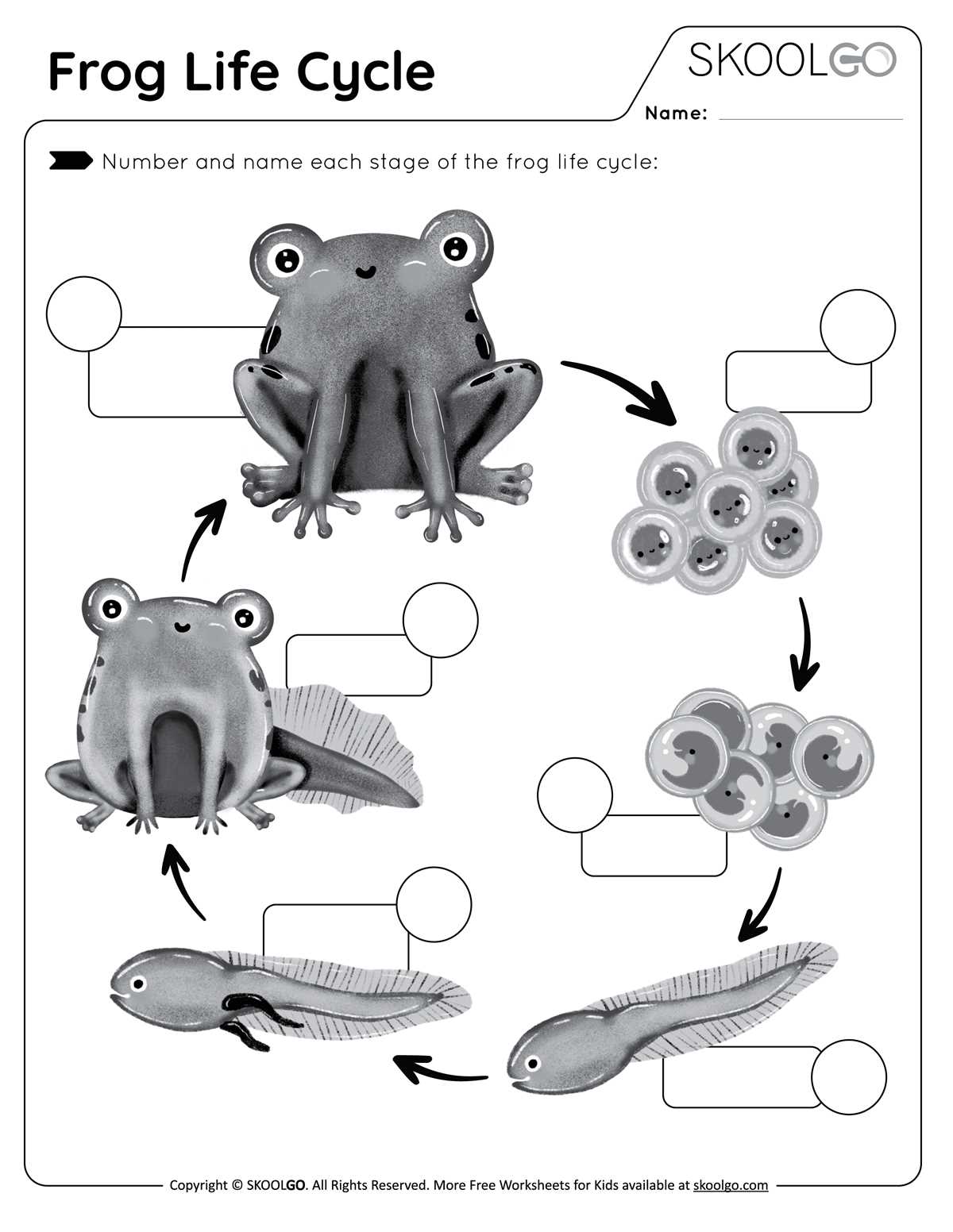
Choose a high-resolution amphibian metamorphosis chart formatted for US Letter (8.5×11 inches) so each stage remains readable after classroom copying. Prioritize versions that include clearly separated visuals and short labels. For small-group work or homework packets, prepare the sheets using these settings:
- 300 DPI or higher for sharp diagrams
- Minimum 0.25-inch margins for cutting and binding
- Bold sans-serif font at 14–18 pt for early readers
- Color and grayscale options for flexible printing
For home learning, place the amphibian growth sequence inside a simple worksheet routine: students first color each phase, then number the stages in order, and finally write one short fact per image. This structure supports retention and keeps younger learners focused for 10–15 minute sessions without overwhelming the page layout.
How to Choose the Right Frog Life Cycle Free Printable for Different Age Groups
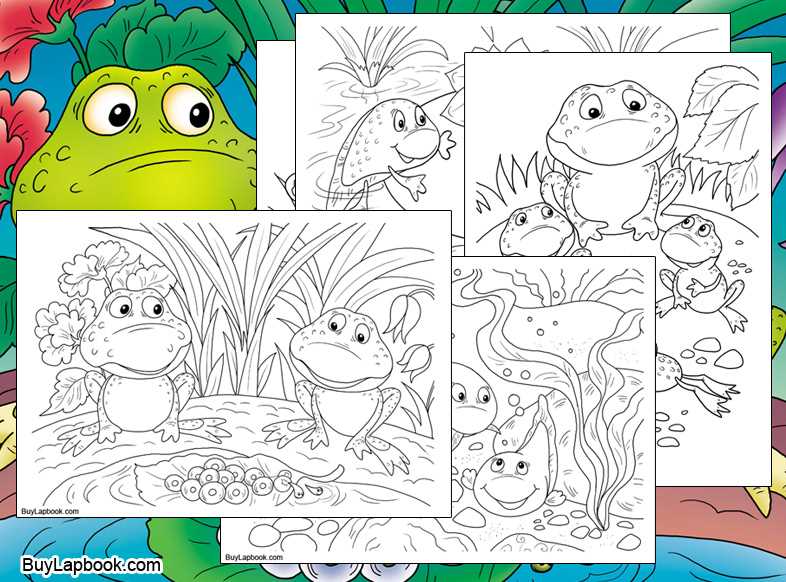
Select age-matched metamorphosis worksheets based on reading level and visual density. For preschool and kindergarten learners, pick pages with large illustrations, minimal text, and clear arrows showing the amphibian development sequence. Limit each sheet to four main stages so children can follow the transformation without confusion.
For grades 1–2, choose materials that combine labeled diagrams with short fill-in tasks. Look for versions that include word banks and simple ordering exercises. Text size should stay between 14–16 pt, and each stage should have enough white space for coloring and notes.
Students in grades 3–5 benefit from more detailed amphibian growth charts. Select worksheets that add vocabulary terms such as “tadpole,” “hind legs,” and “adult amphibian.” A good layout at this level includes caption boxes and sequencing activities that require independent reading.
Middle school learners need content that goes beyond basic identification. Choose study sheets that include:
• labeled anatomical changes
• short written response prompts
• timeline or duration data for each phase
• comparison tasks between larval and adult forms
Check print quality before classroom use. Files should be at least 300 DPI with vector-style diagrams so thin lines remain sharp after multiple copies. Avoid pages with crowded clipart or decorative backgrounds that reduce readability.
Match the worksheet format to the teaching goal: coloring pages for early learners, sequencing cards for small groups, and annotation sheets for older students. Aligning complexity with student ability keeps the amphibian transformation lesson clear and manageable.