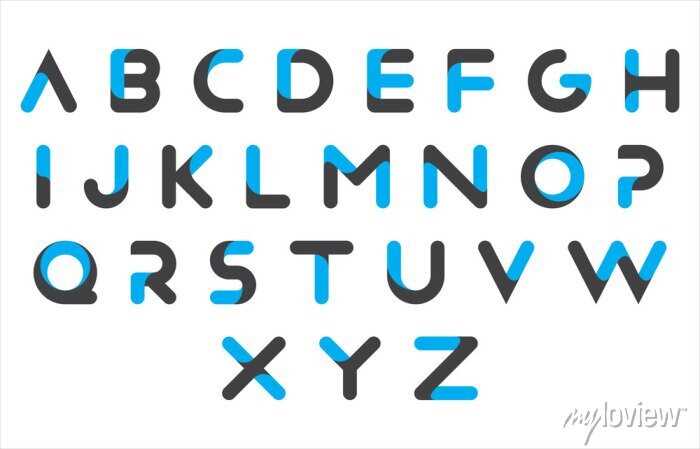
Start with carefully crafted guides that feature beautifully designed letters, ideal for practicing fluid strokes and precise formation. These sheets provide clear outlines of each character, ensuring you can follow the shape and style effortlessly, without the need for complex tools. Focus on achieving consistent form with the help of these resources, especially if you’re just beginning your hand-lettering practice.
By tracing over these structured templates, you can master the unique characteristics of each letter. Pay attention to the curves and angles that define the style, refining your technique as you practice. These exercises not only help improve your writing but also provide inspiration for creating custom designs for cards, posters, and more.
As you become more confident, consider layering additional effects or playing with spacing to make your work even more dynamic. With enough practice, the transition from tracing to freehand writing will feel natural, and you’ll begin to incorporate your personal flair into each letter.
Using Printable Guides for Hand-Lettering
To improve your writing, start with detailed templates that provide outlines of each character. These resources help you practice maintaining consistent height, spacing, and stroke order. When tracing, focus on the smoothness of each curve and how the lines flow into each other, as this will directly influence your handwriting’s elegance. Using these sheets regularly can refine your technique and build muscle memory.
Once you’ve familiarized yourself with the basics, move on to more intricate layouts. Consider choosing styles that challenge you, such as adding decorative flourishes or experimenting with different line thicknesses. Here are some additional tips to enhance your progress:
- Use a pencil to trace lightly before committing with a pen.
- Adjust the spacing between letters to ensure they are balanced and readable.
- Practice connecting letters fluidly without lifting your pen for a more natural look.
How to Choose the Right Writing Style for Your Project
Consider the tone of your project when selecting a writing style. For formal invitations or certificates, opt for elegant, refined scripts with clean lines and balanced proportions. Styles like modern serif or flourished letterforms convey sophistication and legibility, making them ideal for official uses or events like weddings.
If you’re creating something more casual, such as a greeting card or personal note, consider using flowing, relaxed letterforms. Styles that incorporate gentle curves and loose spacing add a friendly, informal touch. For these types of projects, look for styles with an organic feel, allowing the letters to interact with each other naturally.
For projects that require readability, such as menus, posters, or signage, prioritize legibility over elaborate designs. Clear, structured letters with simple strokes and minimal decoration ensure the text stands out without sacrificing clarity. Avoid overly intricate designs that may make the text difficult to read at a glance.
Lastly, think about the medium you’ll be working on. If you’re writing on textured paper or using a brush pen, a more expressive style with thicker strokes and open spacing will work well. On smoother surfaces or with finer tools, a more delicate, tight-lettered design can be effective. Test different styles on the actual material to see which works best before committing.