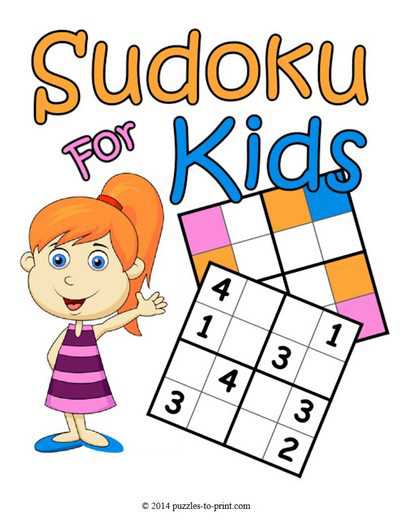
Choose number-grid worksheets with at least 40–50 prefilled cells and large 9×9 layouts to reduce early frustration. Puzzles with clear spacing (minimum 0.5 inch per cell) help new players track digits without losing focus or making placement errors.
Look for sheets formatted for standard US Letter or A4 paper with bold subgrid lines. Thin lines blur after home printing, while thicker borders guide the eye and improve accuracy. Black-and-white designs usually produce sharper results on home printers and save ink during repeated practice sessions.
Schedule short solving sessions of 10–15 minutes daily instead of long marathons. Consistent repetition builds pattern recognition faster than occasional extended attempts. Keep an answer key on a separate page so learners can check progress without scanning the grid for hidden solutions.
For younger learners, select puzzles that include small hint numbers or pencil-mark space inside each square. Older newcomers often prefer clean grids without helper marks. Matching layout style to the user’s comfort level increases completion rates and keeps practice sessions productive.
Sudoku Beginner Printable Worksheets with Easy Grids for First Time Players
Select number-placement sheets that contain at least 45 given digits and clearly marked 3×3 boxes. Higher clue density reduces guesswork and helps first-time solvers understand row-column logic faster. Use paper sized for US Letter or A4 and keep each cell no smaller than 12–14 mm to allow neat pencil entries.
When preparing these logic puzzles for practice, check three layout details before printing:
- Bold outer grid lines (minimum 1.5 pt) for visual separation
- Light inner lines (0.5–0.75 pt) to prevent visual clutter
- Wide margins for notes or candidate numbers
Sheets that follow these parameters typically produce cleaner home-printer results and reduce reading mistakes during solving sessions.
Encourage short daily practice using one easy grid at a time and provide a separate answer page for quick verification. Track completion time; most new players should finish simple number puzzles within 8–20 minutes. If solving regularly exceeds 25 minutes, switch to layouts with more prefilled values to maintain steady progress.
How to Choose the Right Difficulty Level for Beginner Sudoku Worksheets
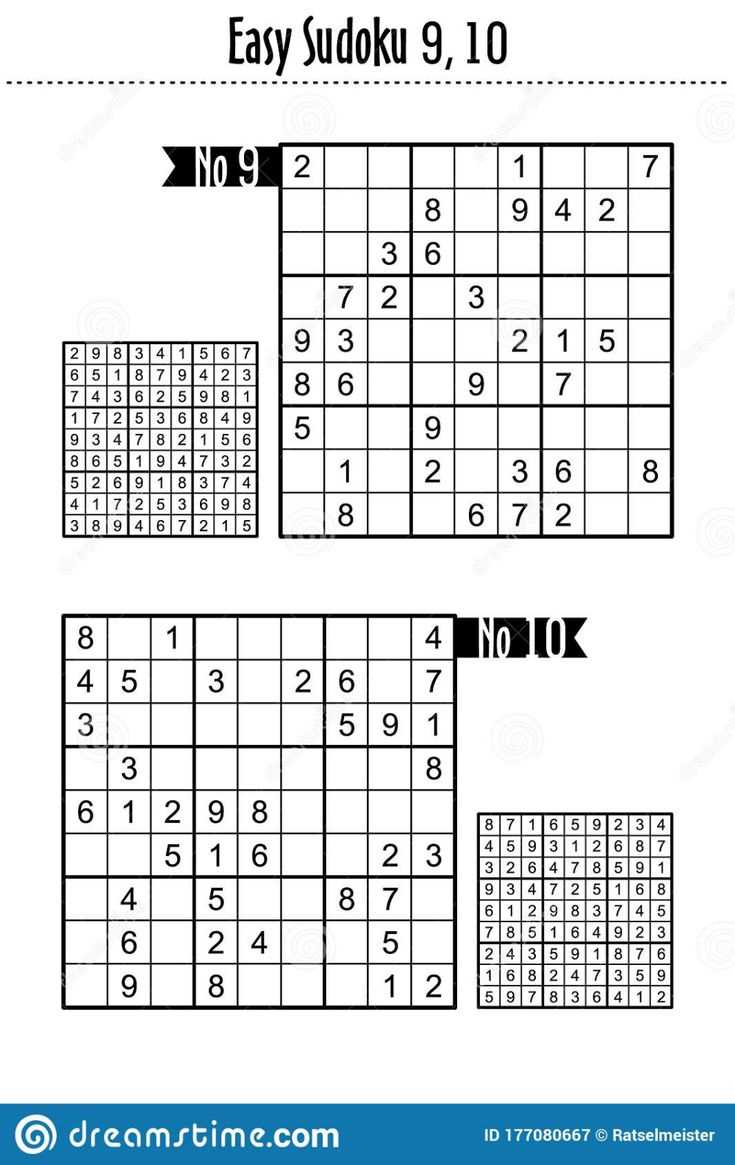
Pick number-grid sheets that contain 40–50 prefilled digits and avoid versions labeled medium or higher. This clue range allows new solvers to practice row and column scanning without heavy trial and error. If a player cannot place at least five numbers within the first three minutes, the level is too hard.
Check the solving techniques required. Entry-level puzzles should be solvable using only single-candidate and single-position logic. Avoid layouts that require advanced methods such as pairs, X-Wing patterns, or multi-step deductions. Review the answer key or difficulty notes from the source before printing practice pages.
Match puzzle density to the player’s age and comfort with numbers. Children under 8 usually perform best with grids containing 50+ givens, while older learners can handle slightly sparser layouts around 42–45 clues. Adults new to number placement games often progress faster by starting with very full grids for the first week of practice.
Monitor completion time across several sessions. A suitable level typically results in finish times between 10 and 25 minutes. Consistently faster results signal readiness for fewer starting digits, while repeated unfinished attempts indicate the need to move back to easier sheets.
Rotate difficulty gradually rather than jumping levels. Reduce the number of given digits by three to five per new set and keep grid size at the standard 9×9 until pattern recognition improves. This controlled progression builds confidence and reduces frustration during early skill development.