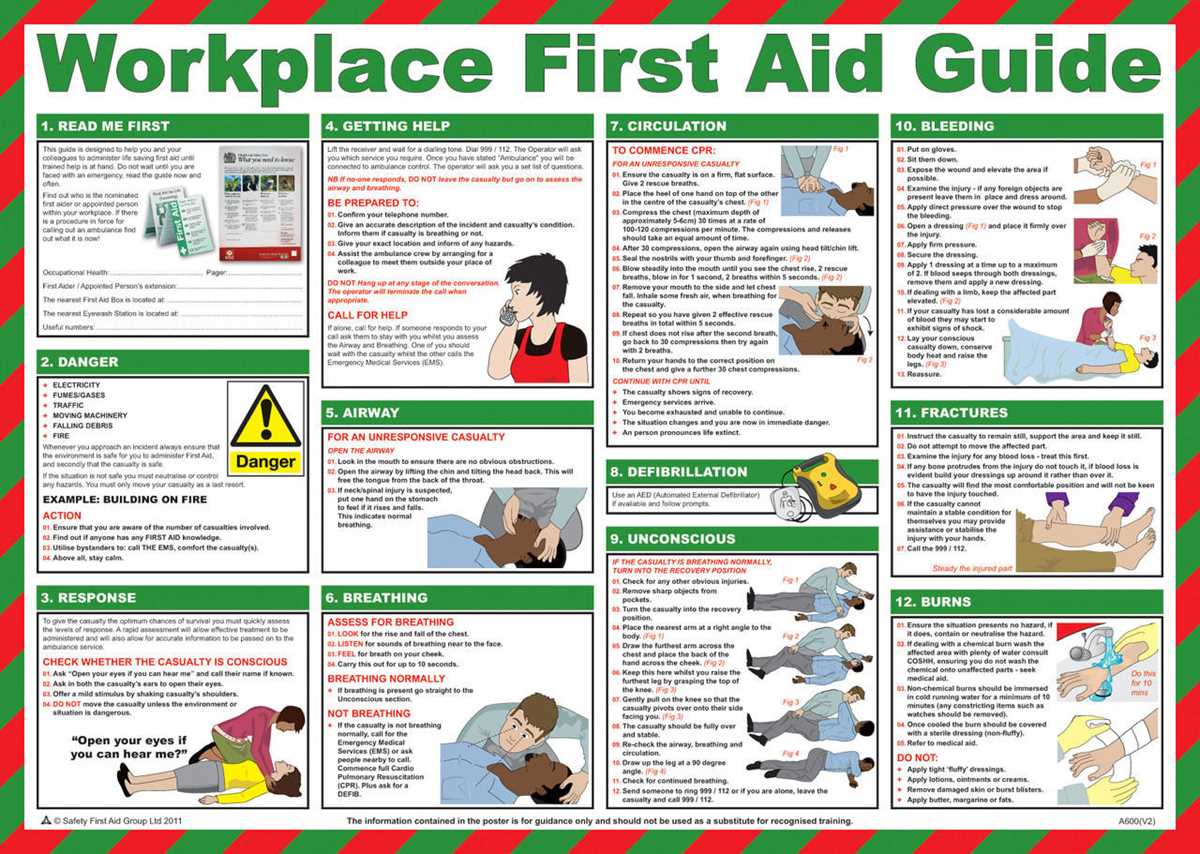
To maintain a secure environment, start by displaying clear and informative visuals throughout your facility. These images serve as constant reminders of best practices and emergency protocols, helping employees stay informed and alert. Many websites offer high-quality designs that can be downloaded and used at no cost.
When selecting designs, focus on those that communicate key messages such as hazard identification, emergency procedures, or personal protective equipment guidelines. Ensure the graphics are simple yet impactful, with bold text and clear illustrations that can easily be understood at a glance.
Once you’ve found the right visuals, print them in a suitable size to ensure they’re visible from a distance. Opt for high-quality paper or cardstock to prevent wear and tear. If the signs are going to be placed in high-traffic areas or exposed to moisture, consider laminating them for durability.
How to Use Printable Safety Graphics Effectively
Start by selecting designs that clearly communicate the most important information for your environment. Focus on images that highlight emergency procedures, hazard signs, and equipment usage. This ensures that the visuals are both informative and practical.
Choose high-resolution files that maintain their clarity when printed at any size. Poor quality graphics can lead to blurred text or distorted images, making them ineffective. Always preview the file before printing to confirm it meets your needs.
After downloading the files, print them using durable materials like cardstock or laminate them to protect against wear and tear. If you plan to display them in high-traffic areas, lamination will help extend their lifespan and ensure they remain visible even in tough conditions.
Place the signs in strategic locations where employees will easily see them. Common spots include near entrances, next to machinery, or in break rooms. Avoid areas with excessive glare or shadow to maintain readability.
For workplaces with multiple languages, consider printing multiple versions of each sign. This ensures all employees can easily understand the necessary information. Bilingual or multilingual signs help create an inclusive environment while maintaining safety standards.
Regularly update the designs to reflect any changes in procedures or regulations. Safety visuals should be refreshed periodically to ensure they remain relevant and reflect current best practices in your industry.
Where to Find Free Safety Graphics Online
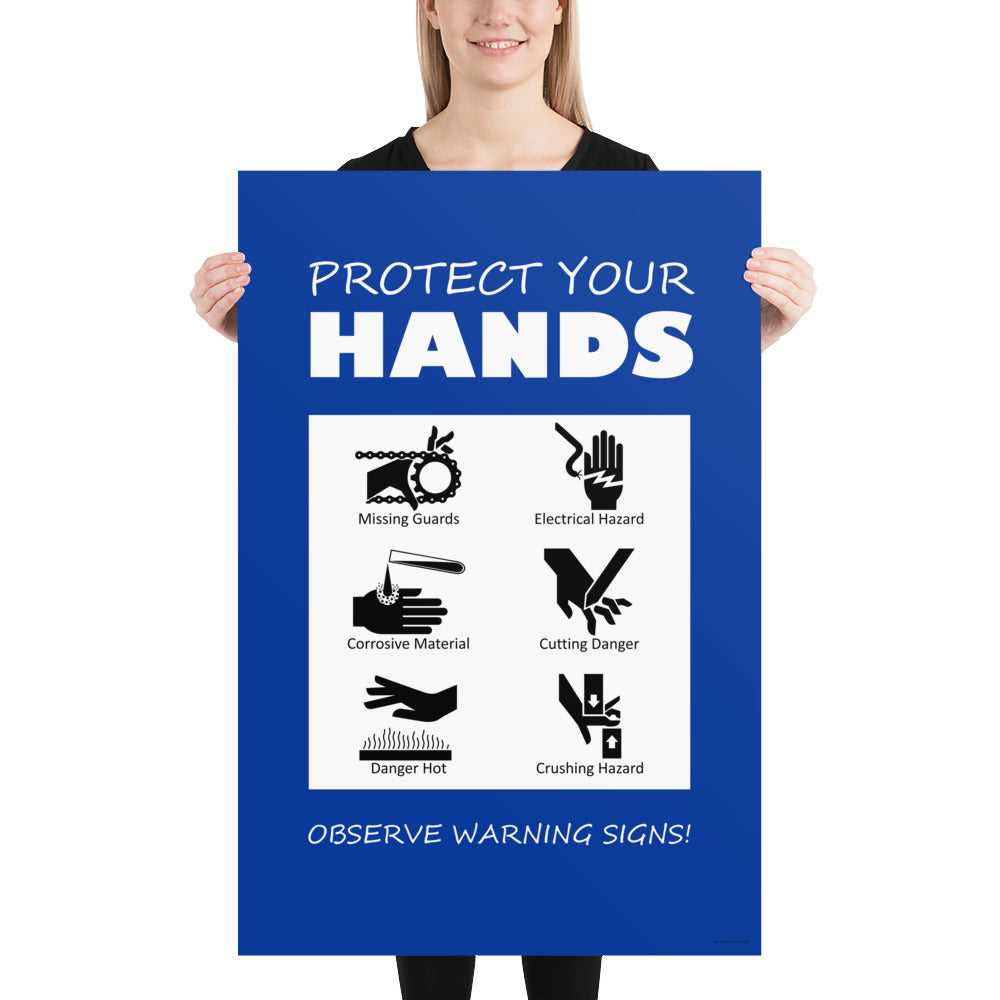
Visit websites like OSHA’s official platform, which provides a range of downloadable materials designed to promote proper protocols. These resources are tailored to meet regulatory standards and are easy to access.
Many nonprofit organizations focused on health and safety also offer printable materials. Websites such as SafetyGulf.com and National Safety Council have a library of resources that can be downloaded without cost. These designs cover a variety of common hazards and safety procedures.
Some graphic design websites, like Canva, offer free templates. While not always specific to a particular industry, they provide customizable options that can be adapted for your needs. You can easily edit the text to match your safety protocols and print them directly from the site.
Another source for high-quality graphics is government sites dedicated to industrial safety. These sites often provide specialized designs for specific industries, such as construction or manufacturing. For example, the Department of Labor’s website frequently posts relevant signage templates that can be used in various environments.
Social media platforms like Pinterest also have boards dedicated to safety awareness. While many designs require you to visit the source website for the download, you can easily find a wide variety of visual aids tailored to different settings.
Finally, consider using online forums or safety-related groups. These communities often share resources, including printable visual reminders, that are created by other safety-conscious professionals in your field. Engaging with these groups can provide additional options that may not be widely available on commercial sites.