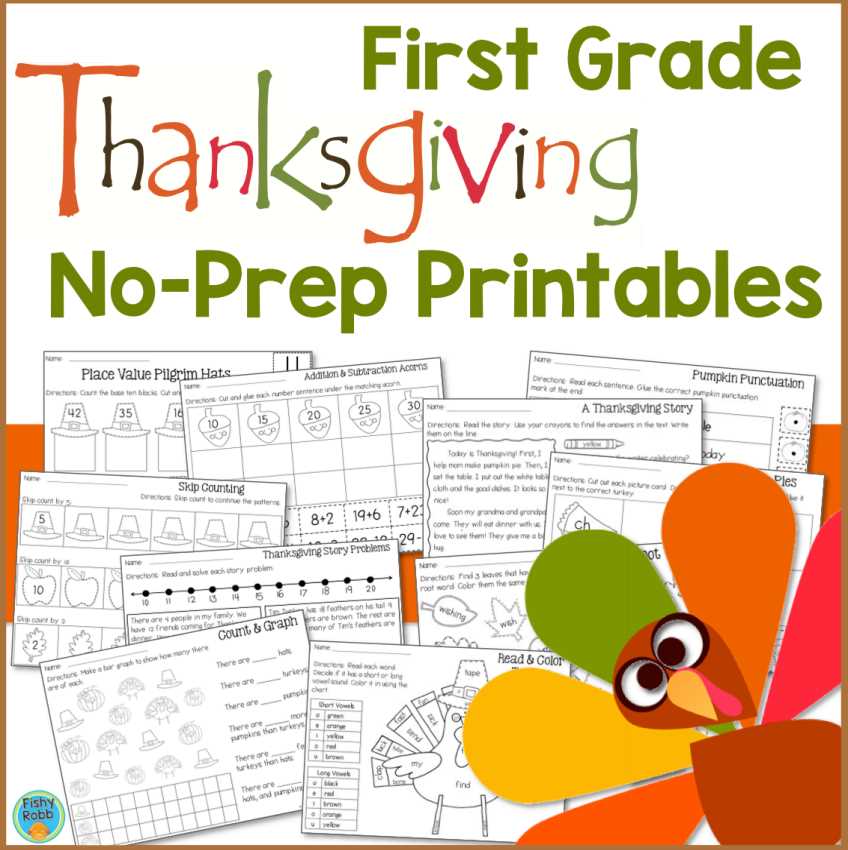
For an engaging approach to learning about early American history, try incorporating activities that explore the 1621 gathering between pilgrims and Native Americans. These exercises allow students to understand key historical moments while also enhancing their critical thinking and creativity.
Start with interactive activities such as matching games that pair important historical figures with their roles. This helps solidify students’ understanding of who was involved and the significance of their actions. Additionally, incorporating basic vocabulary exercises can introduce them to crucial terms like “harvest,” “settlers,” and “alliance” in a memorable way.
Use visual tools to reinforce the information. Charts, maps, and diagrams can be incredibly effective in illustrating key facts about the event. For example, providing a visual of how the pilgrims and their Native American allies interacted can help bring the historical narrative to life for younger learners.
For hands-on activities, try having students create their own historical “menu” inspired by what would have been available at the time. Have them research the foods that would have been present and then work in teams to create a list or even simple drawings of the food. This exercise connects them directly with the past and sparks curiosity about early colonial life.
It’s also helpful to create small group projects where students can dive deeper into specific aspects of early colonial celebrations. They might explore the clothing worn, the tools used, or the challenges faced by the early settlers and their indigenous neighbors.
By integrating these kinds of activities, students will not only absorb the factual aspects of early American history but also gain a deeper appreciation for how these events shaped the cultural foundation of the United States.
The First Thanksgiving Worksheets Lessons and Printables
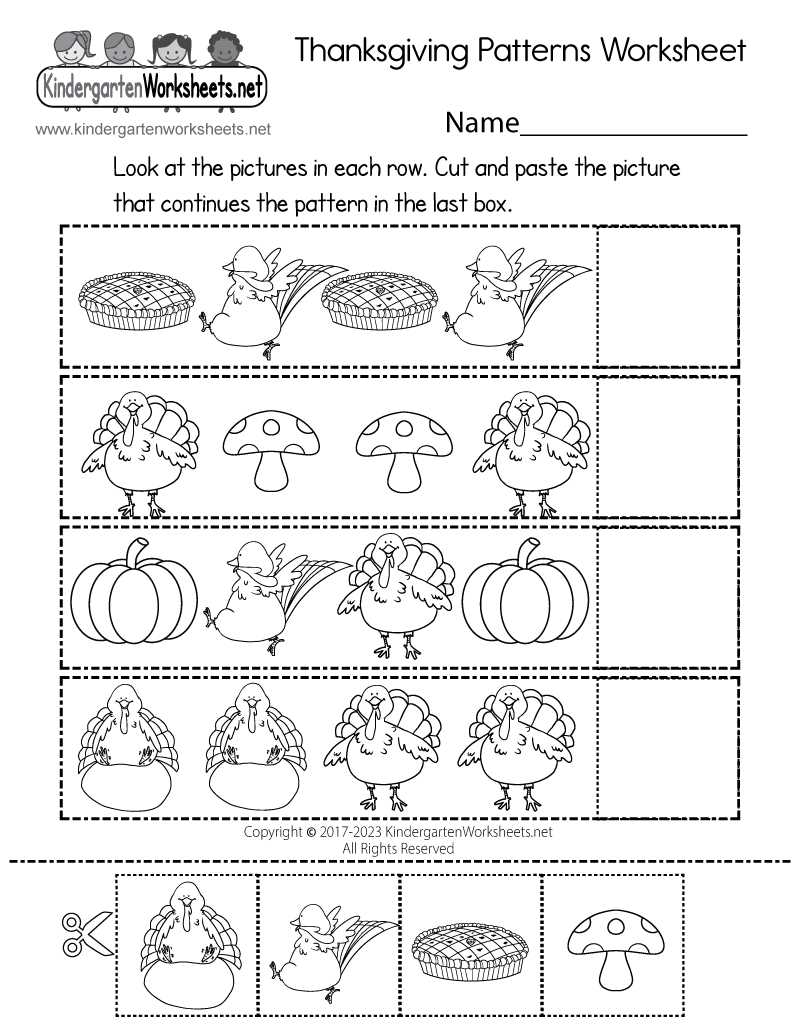
Begin with creating a set of simple exercises that allow students to match key historical events with their dates. This reinforces the timeline of events, such as the arrival of pilgrims and their encounters with Native Americans. Using clear, visually appealing formats ensures that students can connect the historical context with the specifics of each event.
Interactive tasks such as fill-in-the-blank or true/false quizzes can test students’ understanding of crucial facts. These tasks should cover a wide range of topics, including who participated, what they ate, and where the gathering occurred. Incorporating visuals like maps or sketches of key figures will enhance the engagement and learning experience.
Hands-on activities are another excellent way to teach students about early American history. Have them construct simple crafts or even simulate a feast with art materials. This helps them connect with the culture and lifestyle of the time, making it easier to grasp the significance of the event beyond just facts.
For deeper engagement, divide students into small groups and assign each group a specific topic, like the role of Native Americans or the pilgrims’ journey across the ocean. Encourage them to create a mini-presentation or poster summarizing their findings. This fosters teamwork and allows for a more detailed exploration of the event.
Lastly, make sure the activities are flexible enough to be adapted for different age groups. Younger students may benefit from simpler matching games or drawing tasks, while older students can handle more complex research projects or discussions on the social and cultural implications of the event.
How to Create Engaging Worksheets for Teaching the First Thanksgiving
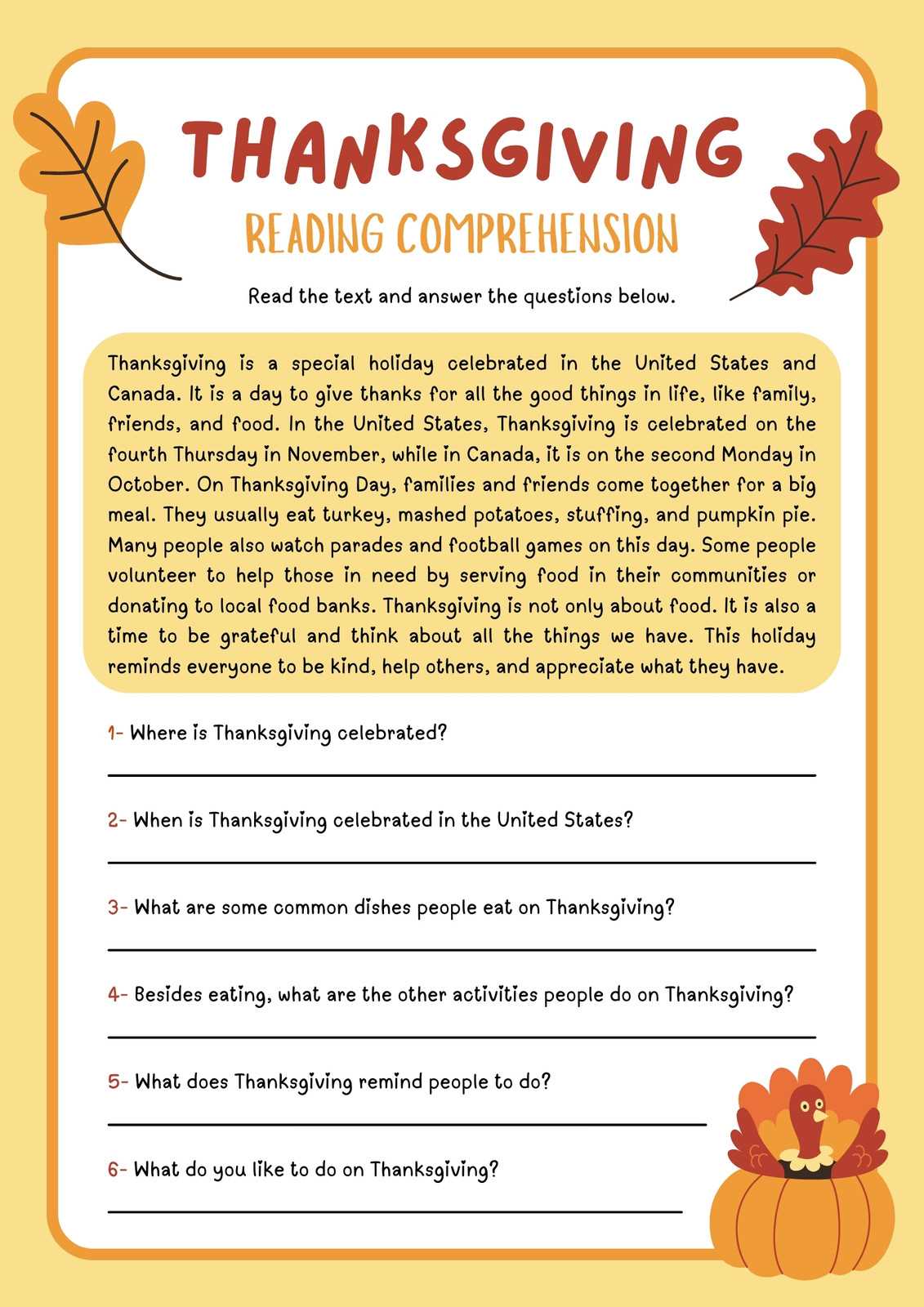
Start by focusing on interactive activities that require students to actively engage with historical content. Create a matching exercise where students can pair important historical figures with their roles during the 1621 event. This promotes both memory retention and critical thinking. Be sure to include clear images or illustrations of these figures to make the activity visually appealing.
Use a variety of formats to keep students interested. Combine fill-in-the-blank sections with multiple-choice questions to test knowledge of key facts. To add more depth, you can create short-answer sections that encourage students to think about the broader implications of the event, such as the significance of cooperation between two very different cultures.
Incorporate visual elements like maps or timelines. Have students place historical events in order on a blank timeline or mark key locations on a map. These tasks help to visually organize historical information and make abstract concepts more concrete. For example, a timeline could include major milestones such as the pilgrims’ arrival, the first meal, and their interactions with Native Americans.
Create creative writing tasks where students write a letter or diary entry from the perspective of a pilgrim or Native American. This allows students to explore the emotional and personal aspects of history, deepening their understanding. These tasks can also be adapted for various age levels, from simpler prompts to more complex reflective writing exercises.
Introduce quizzes with varying difficulty levels. For younger students, offer true/false statements about key facts. For older students, design questions that require more detailed responses, asking them to explain why the settlers’ experience was challenging or what made the celebration significant. Quizzes can be easily adjusted to fit different learning abilities.
Encourage group work by assigning students to create presentations or posters based on different aspects of the event. This could include topics like the food, the attire, or the journey across the Atlantic. Group activities help students collaborate and research more deeply, while also presenting information in creative ways.
Finally, include hands-on projects that reinforce the material. For example, students can create their own “menu” for the 1621 meal, researching foods that might have been present. This tactile experience can help students make personal connections with the historical content while also applying their knowledge in a fun, interactive way.