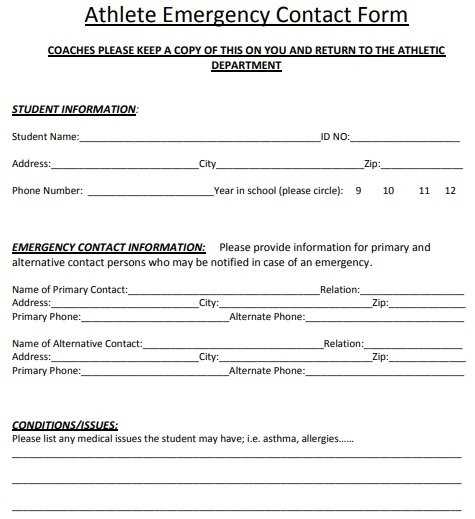
Ensure that you have a list of important contacts readily available in case of urgent situations. Include key individuals such as family members, doctors, and legal representatives, with their names, phone numbers, and relationship to you. Keeping this information updated is vital, as it provides quick access in critical moments.
Use a clear, structured document to record this information. Avoid clutter and ensure all fields are easy to fill out. For clarity, prioritize key details like medical conditions, medications, or allergies. This can save valuable time when quick decisions are required.
Store this document in an accessible location, such as in your wallet, phone, or a secure online file. Consider having multiple copies on hand: one at home, one in your car, and one with trusted individuals. Regularly review and revise your list to ensure it’s always accurate and up-to-date.
How to Create an Effective Emergency Information Sheet
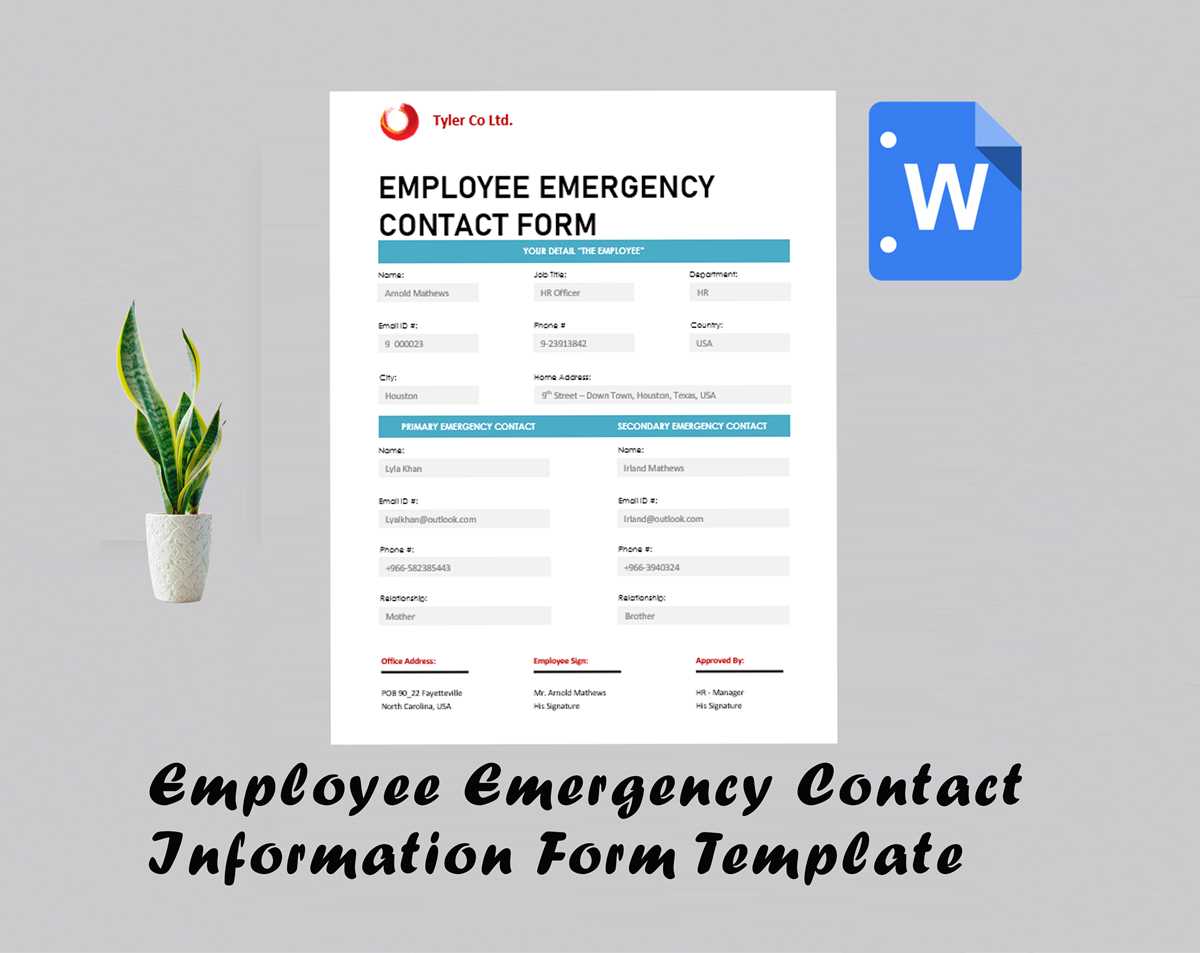
First, gather key details for all important people in your life. This includes names, phone numbers, addresses, and any other necessary details like their relationship to you and their roles in case of an emergency. It’s also important to include any medical professionals or institutions you may need to contact.
Organize the information in a clear, easy-to-read format. Use sections for each type of contact, such as family, medical, and legal contacts. Arrange the data in a logical order, from the most immediate contacts to others that might be needed later. This makes it easier to find the right information quickly.
Ensure the document is accessible. Keep physical copies in several locations–at home, in your car, or in your wallet–and also store a digital copy on your phone or in the cloud. This way, you can access the information no matter where you are.
Consider adding sections for special instructions, such as medical conditions, allergies, or specific actions to take in particular situations. This helps responders understand your needs and preferences more clearly, allowing them to act more effectively in urgent moments.
Review and update the document regularly. Make sure that all contact information is current, and adjust it if any changes occur in your personal or medical situation. This will ensure the information stays accurate and useful when it’s most needed.
How to Fill Out an Emergency Information Sheet Properly
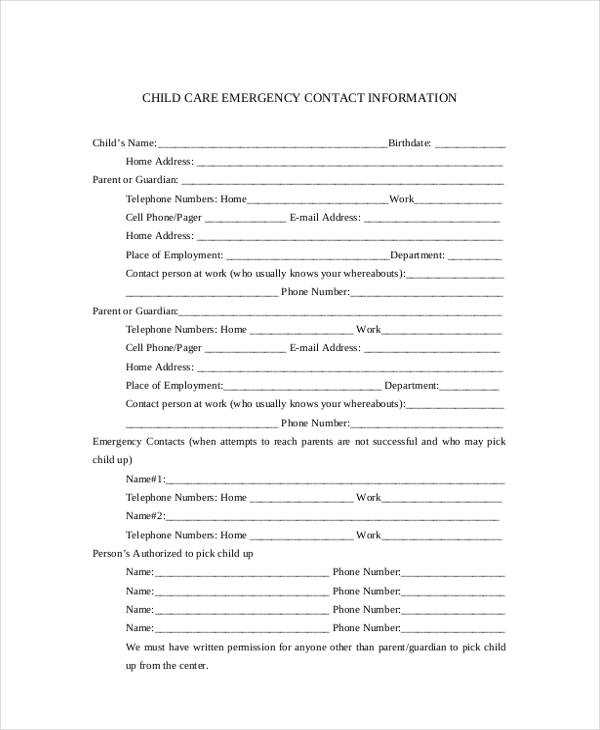
Begin by filling out the most basic details first: your full name, date of birth, and address. This information helps identify you quickly if there’s an urgent need. Next, make sure to include multiple contact numbers, such as a home phone, mobile, and work number, for various people who can be reached in case of an urgent situation.
Include your primary medical provider’s information, including the doctor’s name, phone number, and address. Additionally, list any medical conditions, allergies, or medications you’re currently taking. This is vital for medical responders who need to act quickly without knowing your full history.
Make sure to clearly write the names and contact information for those who should be reached in different types of situations. For example, have one person listed for medical emergencies and another for legal issues. This separation helps keep responses organized when multiple issues arise.
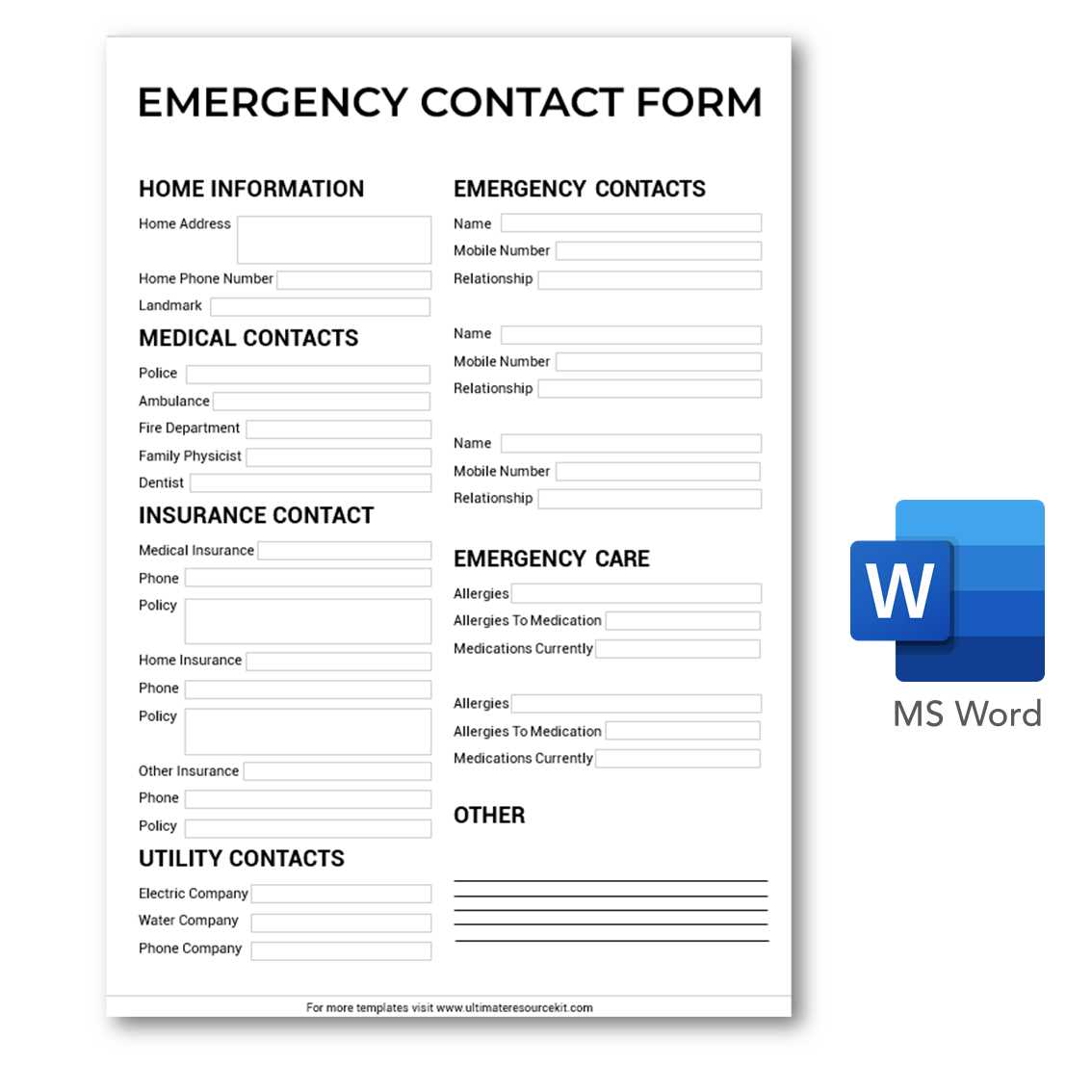
If you have children or dependents, make sure their names, ages, and any special care instructions are listed clearly. Include backup contacts who can step in if your primary contacts are unavailable. This ensures continuity of care and attention when needed most.
Finally, review the information regularly to keep it up-to-date. Outdated phone numbers or incorrect medical details can cause confusion and delay help. Make updates as needed, especially after major life changes like moving, changing doctors, or adding new family members.