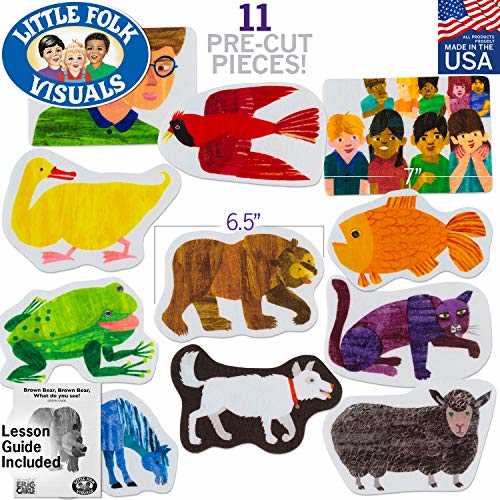
For interactive learning, provide children with visual aids that match the rhythm and repetition found in popular children’s stories. Use resources that feature colorful animals and simple, repetitive text to help reinforce vocabulary, sequencing, and recognition skills.
Focus on activities where children can match animals with colors or names, allowing them to actively engage with the material. These exercises boost cognitive development while also enhancing their fine motor skills as they trace or color various images.
Many materials are available online to support this process, from activity sheets to drawing guides. These resources offer an effective way to keep children entertained while supporting their learning through visual recognition and pattern recognition activities.
Engaging Activities for Young Learners
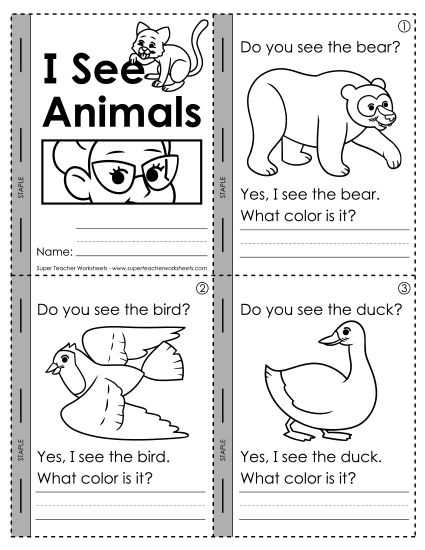
Create matching games where children can associate animals with colors or sounds. This simple activity encourages recognition and memory skills, reinforcing both visual and auditory learning. Use images from the book and ask the children to identify animals and their respective traits, improving language and observational abilities.
Another fun activity involves a sequence challenge. Print the characters and let the children arrange them in order, based on the story’s progression. This not only boosts their understanding of storytelling but also enhances cognitive development. For a more hands-on approach, provide cut-out animal cards for them to physically arrange on a board or wall.
How to Create Engaging Activities for Brown Bear Book
Start by designing a color recognition activity. For each animal in the story, use colored markers or colored paper and ask children to match animals to the correct color. This helps with both color identification and comprehension of the story’s structure. You can also challenge children to trace shapes that resemble each animal or color them in while reading along.
Next, focus on creating a sensory activity. Provide textured materials like soft fabric for fur, sandpaper for rough textures, and smooth paper for different animals. Ask the children to feel each texture while connecting it to the corresponding animal from the book. This strengthens tactile senses and allows for a deeper connection to the characters while reinforcing their characteristics.