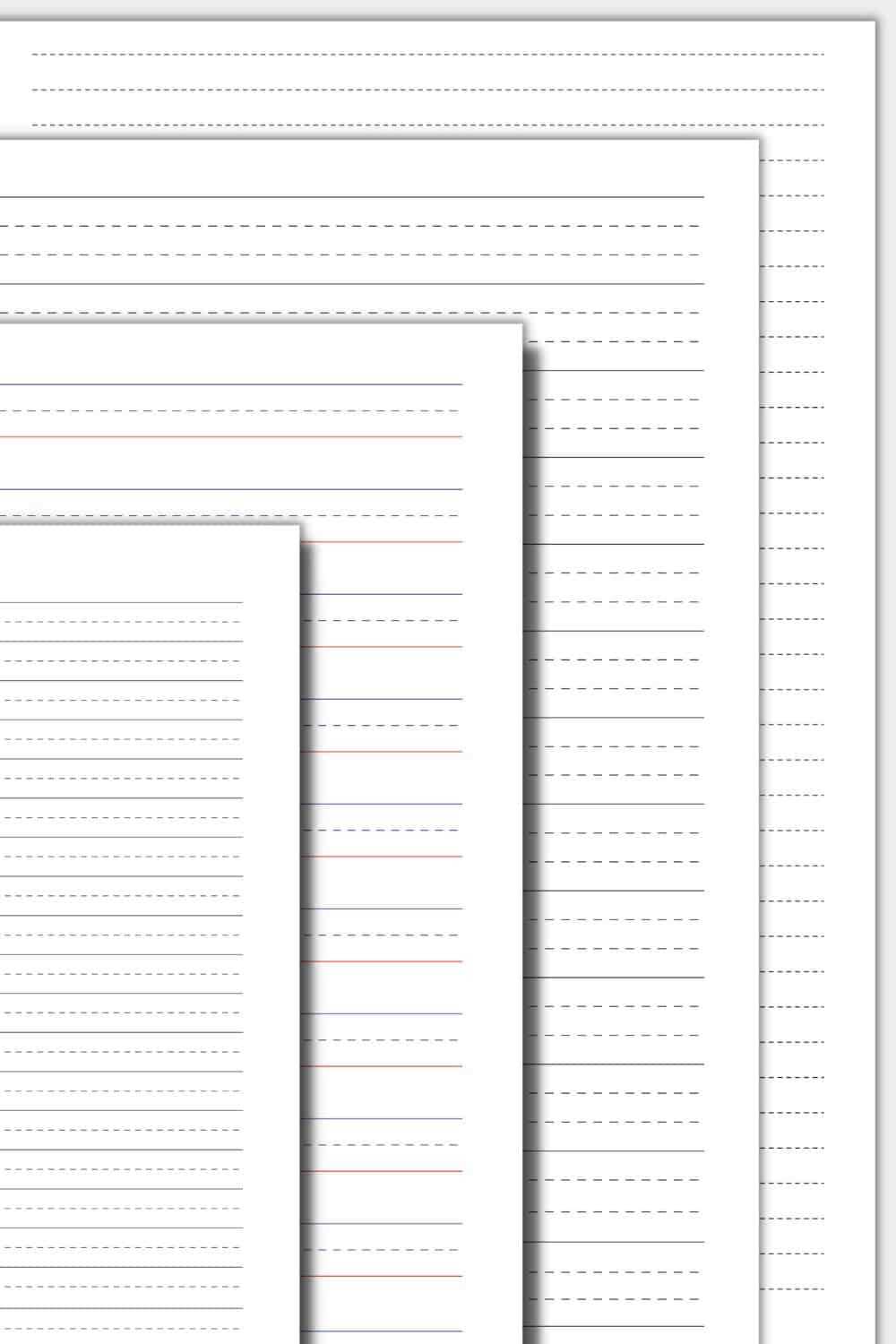
Choose a dot grid layout with 5 mm spacing for balanced writing and sketching; this distance keeps lines straight without overwhelming the sheet. Download files in PDF format sized for A4 or US Letter to avoid resizing issues during output.
Set your printer scale to 100% and disable “fit to page” to preserve accurate spacing between marks. For planners and journals, select light gray points at 10–20% opacity so guides remain visible but do not interfere with ink. Higher contrast grids work better for technical drawing or math tasks where alignment must be precise.
Use 90–100 gsm sheets for everyday notes and 120–160 gsm stock for fountain pens or markers to prevent bleed-through. If you bind multiple sheets into a notebook, print double-sided with a short-edge flip setting to keep alignment consistent across spreads.
Store digital templates in clearly labeled folders by spacing size such as 4 mm, 5 mm, and 8 mm. Consistent organization saves time when preparing layouts for study notes, bullet journals, habit trackers, or geometry practice.
Free Dotted Paper Printable
Select a grid layout with 5 mm spacing for balanced handwriting and sketching, or 8 mm spacing for larger lettering and planning spreads. Download templates in PDF format sized for A4 or US Letter and keep scaling set to 100% during output to maintain precise distance between points.
Adjust layout settings based on your task:
- Light gray marks at 15% opacity for journaling
- Darker guides for technical drawing
- 4 mm spacing for compact notes
- Wide margins (15–20 mm) for binding or hole punching
Choose 90–100 gsm sheets for everyday writing and 120–160 gsm stock for fountain pens or markers to prevent bleed-through. Store digital grid files in folders labeled by spacing size and page format to access the correct version quickly when preparing study notes, planners, or design drafts.
How to Choose the Right Dot Spacing for Writing Drawing and Planning
Select 5 mm spacing for general handwriting and bullet journaling; this distance supports neat lowercase letters around 3–4 mm tall while keeping lines aligned. Use 4 mm for compact study notes or small planners, and 8 mm for large headings, block lettering, or layouts that require more white space between rows. Test spacing by writing one full sentence and checking whether ascenders and descenders touch adjacent rows.
For sketching and diagrams, match the grid interval to your drawing scale. Technical sketches benefit from 5 mm or 10 mm intervals to maintain proportion, while detailed illustrations work better with tighter 3–4 mm guides. Weekly planners often require wider spacing to fit task lists without crowding. Print one sample sheet of each interval and compare line density, readability, and margin balance before committing to a full stack.