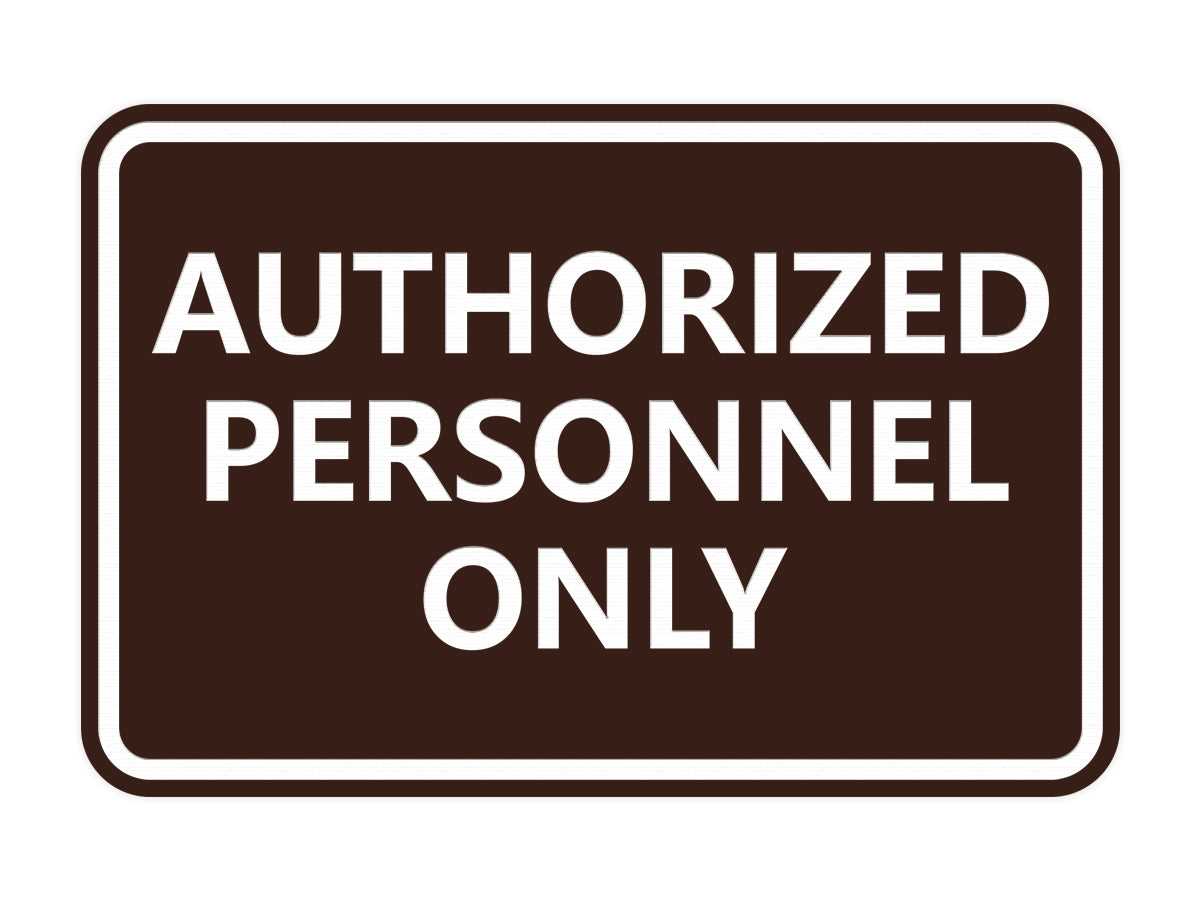
To effectively restrict access to sensitive or hazardous areas, you need a clear and visible indication. A simple visual warning helps ensure that only designated individuals enter specific zones. Choose bold, easily readable text and bright contrasting colors to make the message unmistakable from a distance.
Make sure the graphic is appropriately sized for its intended location. For high-traffic areas, large prints will grab attention, while smaller signs work well in more private or constrained spaces. Opt for a durable material for better visibility and longevity, especially in outdoor or high-moisture environments.
If you’re looking to create a customized version, ensure the design includes critical details like contact information for inquiries or emergency use. Including a logo or specific safety guidelines adds a personal touch and reinforces the significance of the restriction. Pay close attention to the layout and clarity of the message to ensure there’s no room for misunderstanding.
Creating Effective Restricted Access Notices
To ensure restricted areas are clearly marked, choose high-contrast colors such as red, black, or yellow. The message should be large enough to be read from a distance, especially in areas with heavy foot traffic. Bold fonts and simple language are key to immediate recognition.
In addition to visibility, consider the material of the notice. For indoor settings, paper or laminated prints will suffice. For outdoor or high-durability requirements, opt for materials like metal or heavy-duty plastic. These can withstand harsh weather conditions and maintain their clarity over time.
Adding extra details, like emergency contact numbers or a specific note on safety guidelines, can enhance the message. Be mindful not to clutter the design. A clear, concise statement is most effective when coupled with intuitive placement–near entrances or gates where access might otherwise be unclear.
How to Design a Clear Restricted Access Notice
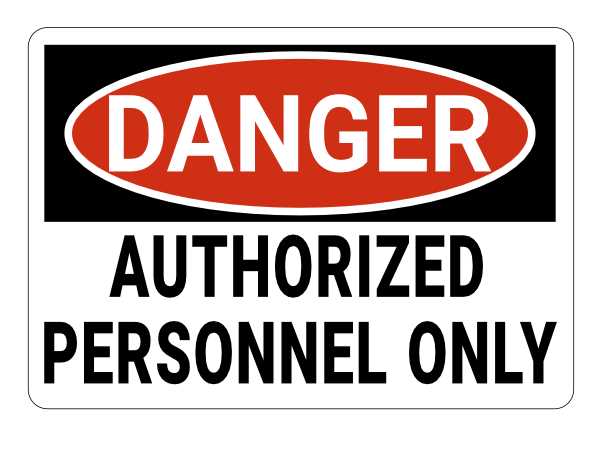
Start with a direct, concise message. Use simple wording such as “No Entry” or “Restricted Access” in large, bold letters. Avoid long sentences or unnecessary words that can confuse the viewer.
Choose high-contrast colors for maximum visibility. Red, black, or yellow are commonly used in such designs, as they are easily noticeable. Make sure the background and text colors contrast sharply to ensure readability from a distance.
The font should be large and easy to read, even from afar. Sans-serif fonts like Arial or Helvetica are ideal because they maintain clarity in various sizes. Avoid decorative fonts that might hinder quick comprehension.
Include universally recognized symbols for restricted areas, such as a lock or barrier graphic. These symbols support the message, especially in environments where people may not speak the same language.
Consider the material for your notice based on the environment. For indoor spaces, paper or laminated options work well. For outdoor areas or places exposed to harsh weather, opt for more durable materials like metal or high-density plastic.
Lastly, make sure the placement is optimal. The notice should be at eye level, close to entrances or gates, and in high-traffic areas where unauthorized access is most likely to occur. Ensure it’s visible from all directions and is well-lit if placed outdoors at night.