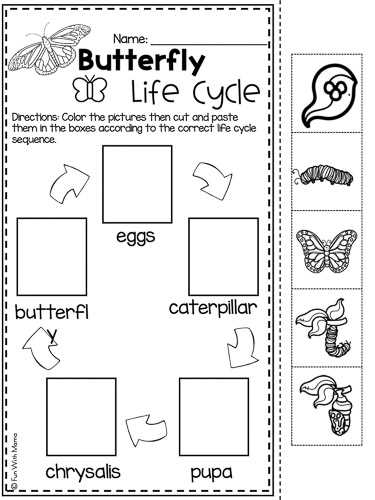
To effectively teach about the transformation process of an insect from egg to adult, start by breaking down each developmental phase. Begin with the initial stage where eggs hatch into larvae, which are commonly known as caterpillars. This phase focuses on growth and feeding, which are essential for the next stage. Then, move to the pupal stage where the caterpillar forms a chrysalis, undergoing dramatic internal changes.
Next, emphasize the importance of observation during the final phase when the adult emerges, ready to spread its wings. It’s also helpful to show these stages visually, as diagrams can make the concepts easier to grasp. Consider using detailed illustrations of each stage to highlight the process in a clear and structured way.
For educators, using printed charts with these stages can be a highly interactive method to reinforce learning. Incorporating activities like labeling or coloring the stages can further engage learners and solidify their understanding of this natural phenomenon.
Stages of Development in an Insect’s Transformation
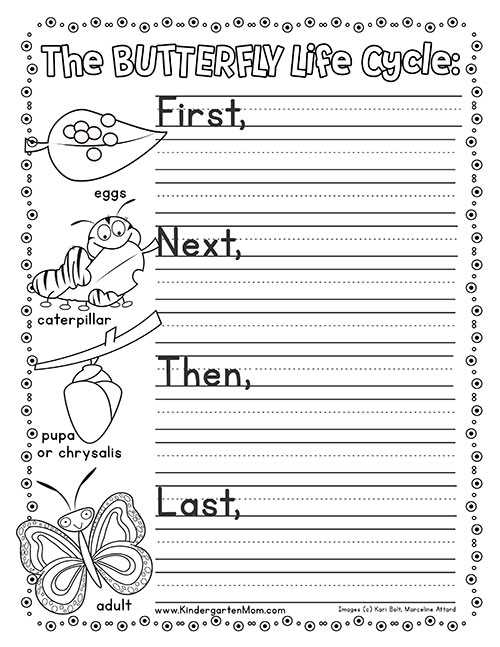
To visually track the transformation from egg to adult, a clear diagram showing each stage is helpful. Begin with the hatching process, where small larvae emerge, followed by the feeding phase. In this stage, the organism grows rapidly, shedding its skin multiple times. Once the larval stage is complete, it forms a protective shell and enters a dormant phase.
Once the transformation inside the shell is complete, the adult emerges and begins its life cycle again. For better understanding, including a step-by-step guide or chart can aid in grasping the unique stages of development. For added interaction, learners can color in or label each stage, reinforcing the concepts visually and kinesthetically.
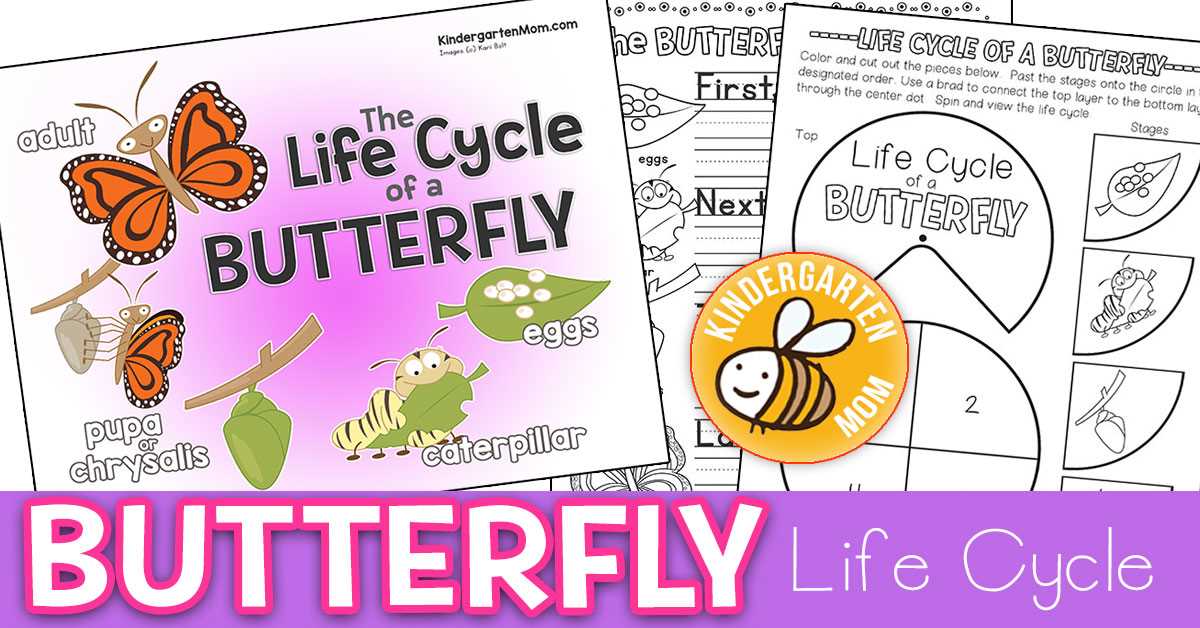
How to Illustrate the Stages of an Insect’s Development
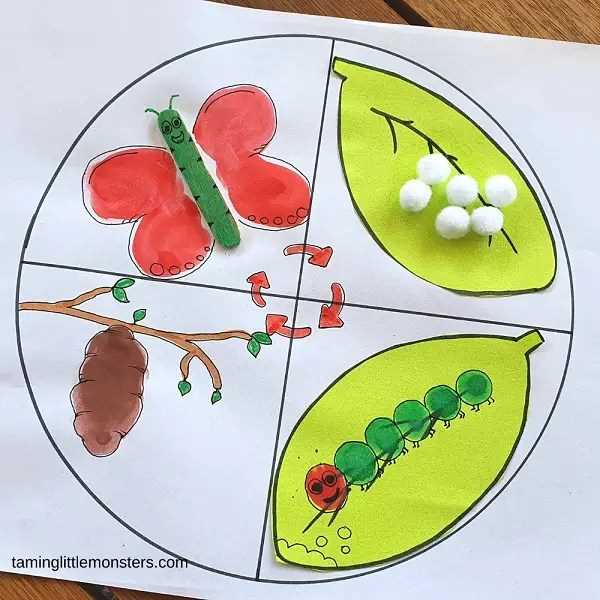
Begin with a clear depiction of the initial phase, the egg stage. To illustrate this, use simple shapes to represent the eggs laid on leaves or stems. Focus on varying the sizes and angles to show the diversity in egg placement, allowing for realistic representation. Include elements like the plant leaves to emphasize the natural environment.
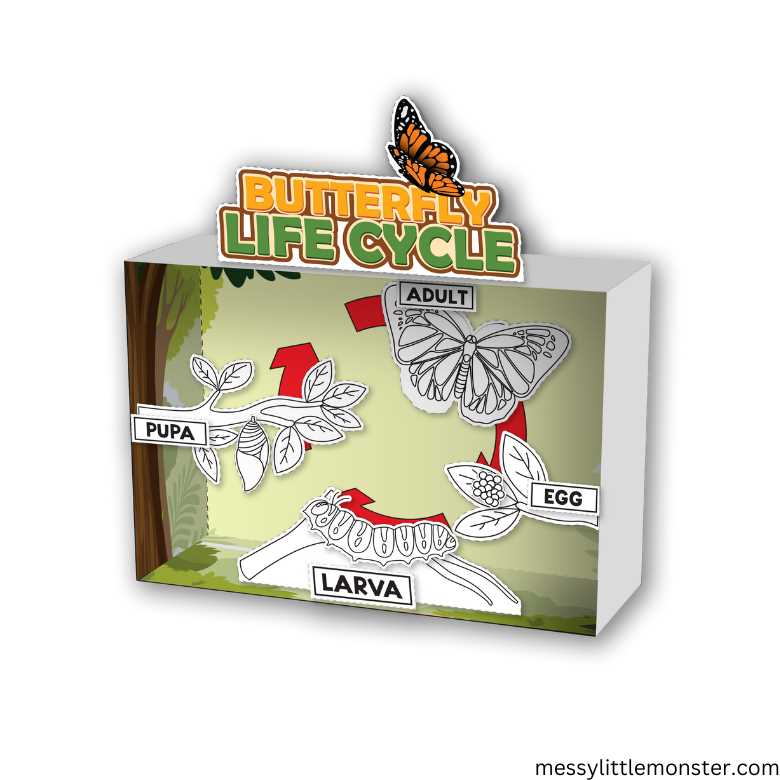
Next, illustrate the larval or caterpillar stage, where the focus shifts to growth. Depict the insect feeding and growing, with a clear emphasis on the multiple stages of molting. To show growth, use a sequence of images showing the larva at different sizes. Make sure to capture the segmentation of the body and the detailed features of its movement.
The third stage, known as the pupa or cocoon stage, can be shown as a transitional phase. Use darker, more subdued tones to represent the dormant period. This stage can be illustrated with a translucent, protective covering where the organism undergoes internal transformation. To help illustrate the passage of time, you can create a series of images that show gradual changes in the cocoon.
The next stage to focus on is the emergence of the adult. Here, vibrant and detailed colors are key. Show the insect breaking out of its protective shell and beginning to stretch its wings. Highlight the intricate patterns and shapes of the wings, as this is the most distinct feature of the adult stage.
To enhance the understanding of the transformation, consider adding a timeline or arrows between the stages. This will help create a clear, progressive flow for viewers to follow, ensuring that each phase is distinct yet connected to the next.
For added clarity, use magnified sections of certain stages. For example, zoom in on the molting process during the larval stage or show the detailed wing development in the adult stage. These close-ups provide more insight into the transformation.
To make the illustration more interactive, add labels and arrows pointing to key features. For example, mark where feeding occurs in the larval stage, or indicate where wings are developing in the pupal stage. This will encourage deeper engagement and understanding of each phase.
Finally, present the completed image as a series of panels, with each stage separated to allow for easy comparison. This format will allow users to clearly identify each step of the development process without confusion, making the illustration both educational and visually appealing.