To maintain a healthy complexion, tracking your beauty regimen is key. A well-structured schedule can help you stay on top of daily routines, product usage, and skincare goals. Using visual organizers can simplify this process, making it easier to follow your plan and adjust as needed.
First, consider using a dedicated tracker for your daily rituals. You can note the steps, products, and times for each session. Tracking your progress over time allows you to identify what works best for your skin and what needs adjusting. A log can also help you spot any irritations or improvements, making it easier to make informed decisions.
Next, keep a chart for your skin’s condition. Record details like dryness, breakouts, and sensitivities. This helps you evaluate how your skin is reacting to certain products or changes in the weather. With this information, you can tweak your routine and choose products that better suit your skin type.
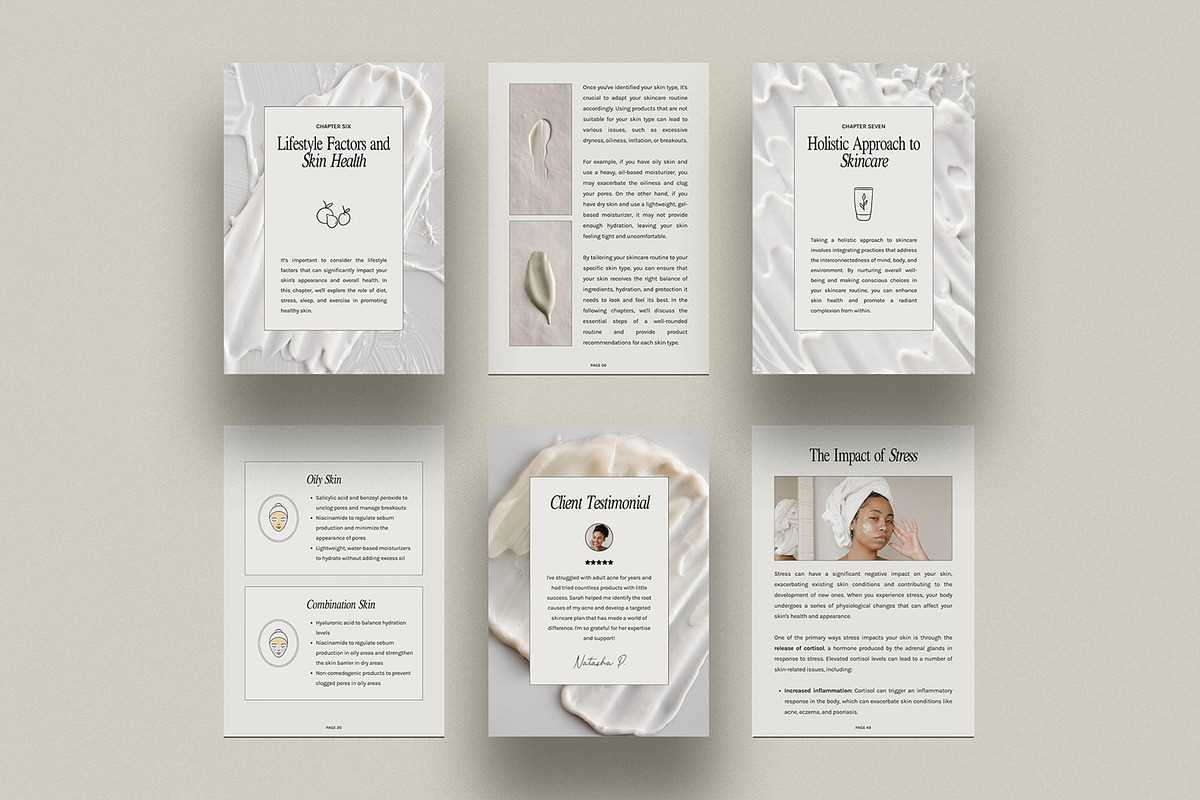
Lastly, remember to track product expiry dates. Cosmetics and skincare items have shelf lives, and using expired products can be harmful. Set up a simple system to remind you when it’s time to replace your items and ensure you’re always using fresh products.
Guide to Using Templates for Your Daily Beauty Routine
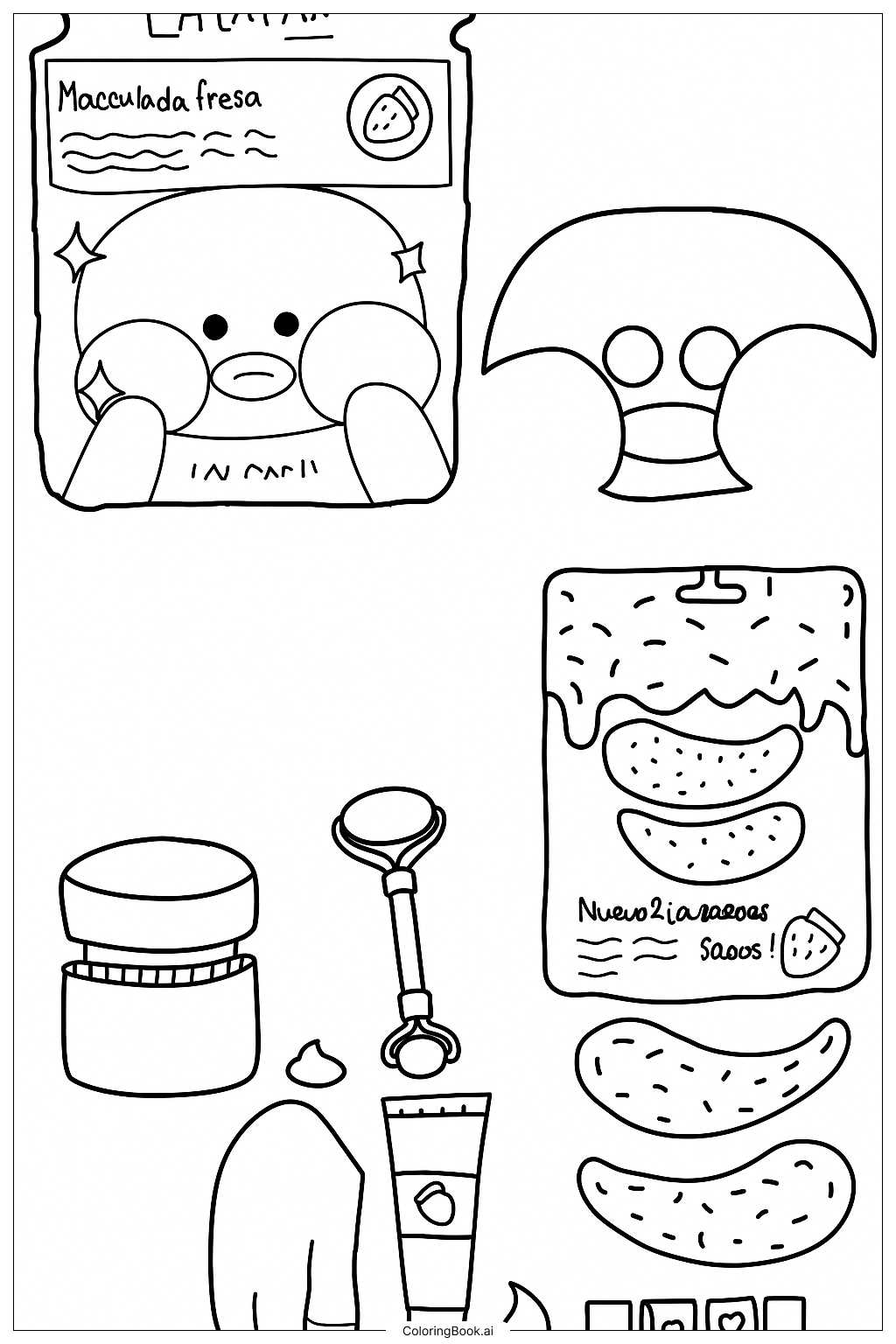
Start by selecting a clear layout to record your daily beauty regimen. A structured template helps you track products, application times, and the consistency of use. It’s a straightforward way to monitor your routine and make adjustments based on results.
Choose a template with sections for each step of your process, such as cleansing, moisturizing, and treatments. This allows you to organize your actions in a logical sequence. Include a space for product names and any other details that may be important, like the quantity or frequency of use.
Make use of checkboxes or circles to mark completed tasks. This visual reminder helps keep your routine on track, ensuring no steps are overlooked. It’s a small but effective tool for keeping a consistent schedule, especially when managing multiple products or steps.
For greater customization, include areas where you can note any changes in your skin condition. Adding sections to track daily observations–such as dryness, irritation, or improvement–will provide valuable insights over time.
Another useful element to incorporate is a weekly reflection section. Take a moment once a week to evaluate how your routine is working and make any necessary changes. You can also include a spot for noting any new products you plan to try or results you’d like to achieve.
To ensure that you’re always using fresh products, add a column for product expiration dates. Tracking when a product should be replaced will help you avoid using outdated items, which could potentially harm your skin.
Lastly, consider incorporating a monthly goal-setting area. This is where you can define your beauty objectives, whether it’s improving hydration, reducing blemishes, or trying new treatments. By setting monthly goals, you keep your routine purposeful and results-focused.
With these templates, you’ll have an easy-to-follow and organized way to maintain a routine that’s both structured and adaptable. Tracking progress visually keeps you motivated while helping you understand what’s working and what might need tweaking.
How to Create a Custom Routine Tracker
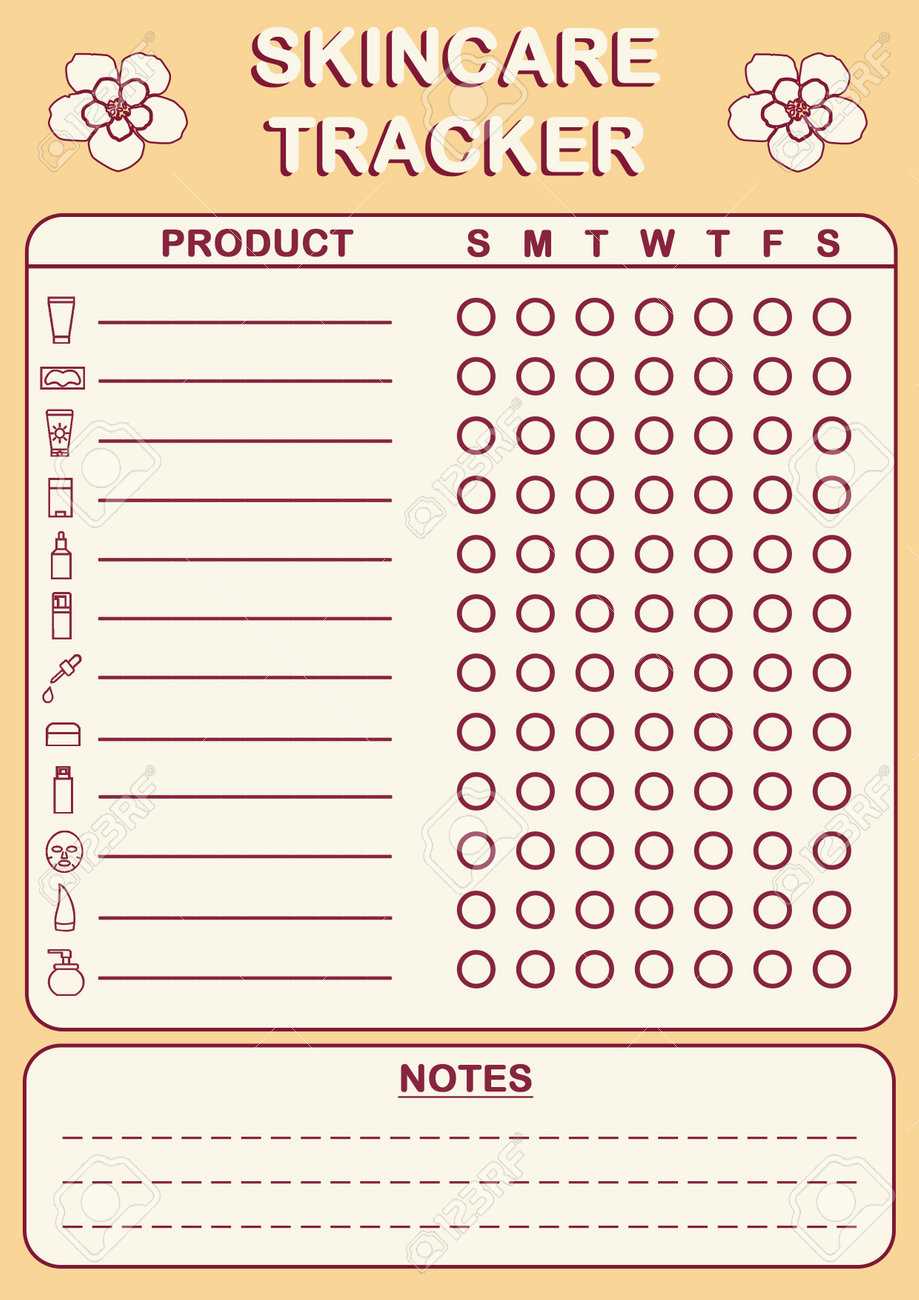
Start by designing a layout that suits your needs. Create sections for each step of your daily regimen, such as cleansing, toning, moisturizing, and any treatments. Make sure to leave enough space for product names and additional details like usage frequency or specific application methods.
Use checkboxes for each step so that you can mark off completed tasks. This simple visual cue makes it easy to stay on track and ensures that no step is overlooked. Include a daily column for easy tracking of what’s been done and when.
Incorporate a section to record product details, including product type, ingredients, and the purpose it serves (e.g., anti-aging, hydration, etc.). This will allow you to evaluate how each item contributes to your overall routine and assess if it’s working as expected.
Add a “notes” area where you can document skin changes. Track things like dryness, irritation, or improvements. This will help you identify how your skin reacts to certain products or routines and allow you to make adjustments as necessary.
To monitor progress over time, create weekly or monthly reflection sections. In these areas, assess how your skin has improved, any challenges you’ve faced, and whether you need to alter your routine. You can even set goals here, like reducing acne or improving texture.
Consider adding a spot for tracking product expiration dates. Many beauty items lose their effectiveness after a certain period, and having this reminder will prevent you from using expired products that could harm your skin.
Lastly, create a dedicated section for upcoming product trials. If you plan to test new items, record the product name, how you intend to use it, and your expected results. This will keep your routine dynamic while still being organized and efficient.