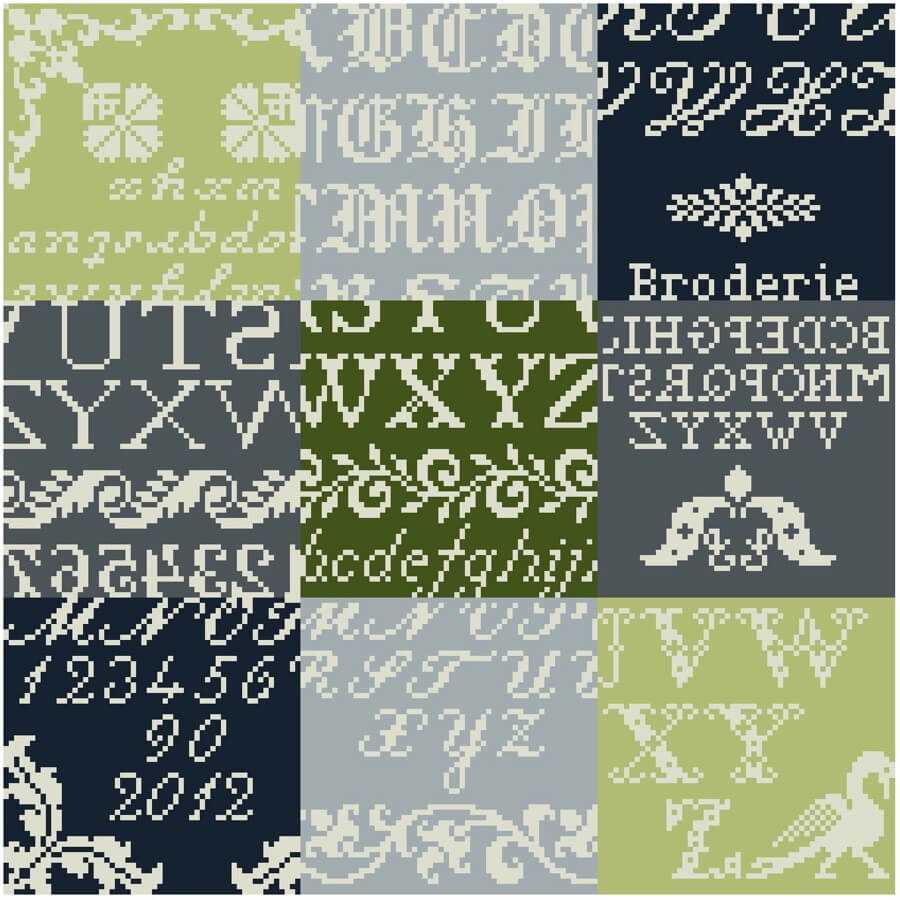
Choose a sturdy, smooth fabric like cotton or linen for your next stitching project. These materials hold designs well, ensuring clear lines and easy manipulation. If you’re working with a textured fabric, such as burlap or canvas, keep in mind that fine details might be harder to execute with precision. Aim for a balanced surface for a crisp result.
Using a fabric transfer method like carbon paper or a lightbox will help you position your motifs exactly where you want them. Print your design on standard paper, then carefully transfer the image onto your fabric. Keep the pattern size manageable to avoid unnecessary distortion during stitching. For intricate pieces, break the design into smaller sections to maintain clarity.
Experiment with various threads to achieve the best visual impact. Consider the contrast between the thread color and your fabric choice to make the design stand out. Thicker threads create a bold effect, while finer threads allow for more detailed work. Play around with different textures for added depth, making each stitch count.
Designing Alphabet Motifs for Needlework Projects
Start by selecting a simple, clear font for your initial designs. Bold and rounded shapes tend to work best, especially for beginners. These characters are easier to stitch and can be expanded with creative touches, like borders or flourishes, once the basic form is established.
Use software tools to resize and adjust the characters as needed before transferring them to fabric. A clear, legible design is key–too intricate or small details may become unmanageable when stitched. Keep the size within a manageable range for the thread thickness you plan to use.
Choose high-quality transfer paper or water-soluble pens to make your design visible on the fabric. Avoid pencils that can smudge easily. Test the transfer method on a scrap piece of fabric first to ensure your tools won’t bleed through or disappear once washed.
Consider using contrasting thread colors to add depth and dimension. Lighter shades for outlines or accents can make the central letters pop, while darker tones create a more classic, elegant look. Experiment with color gradients for a modern twist on traditional designs.
When choosing a stitch, simple techniques like backstitch or satin stitch work best for clear, defined outlines. If you want more texture, consider a French knot or seed stitch to fill in certain sections or create emphasis. Keep your stitches uniform for a cleaner appearance.
If you’re designing a monogram or personalized message, try varying the letter styles to create visual interest. For example, mix serif and sans-serif elements or pair cursive with block letters. This contrast can give a more dynamic, custom feel to your project.
Don’t forget to adjust your spacing between characters. Crowding too many stitches into a small area can cause the design to appear cluttered. Ensure enough space around each element so that the final result is clean and easy to read.
Finally, experiment with different borders and flourishes to frame your alphabet design. A delicate line of stitching around each letter or a light background design can help bring the entire piece together. These additions enhance the focus on the text while giving the piece a polished, finished look.
How to Choose the Right Fabric for Letter Designs
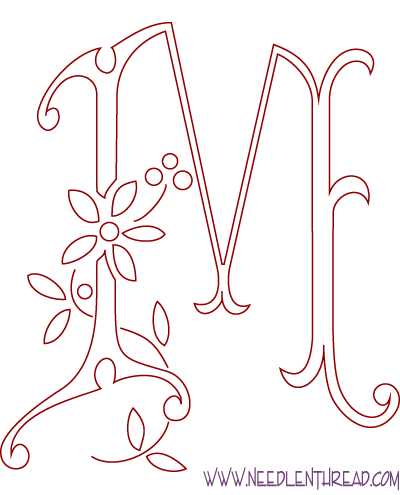
Start with smooth cotton fabric. Its even texture makes it ideal for transferring and stitching clear, crisp images. Cotton also provides stability, so your design will not warp during stitching. Avoid overly coarse fabrics like burlap, as the rough texture can distort smaller details.
If you’re working on a more delicate project, try linen. Linen offers a slightly looser weave, making it more breathable but still durable enough for neat stitching. The natural fibers of linen add a touch of sophistication, which works well for upscale or vintage-inspired pieces.
For more intricate work, consider using Aida cloth, commonly found in cross-stitching. Its grid-like weave makes it easier to align stitches, ensuring uniformity. This fabric is perfect when precision is key, and it’s available in different thread counts depending on your desired level of detail.
When selecting fabric, also think about the weight and drape. Lighter materials like muslin are best for simpler, flatter designs, while heavier fabrics such as canvas can provide more structure, which may be better for larger, bold letter projects. Experiment with different textures to find what complements your stitching style.