
For an easy and affordable way to enhance your living space, start by downloading high-quality designs that can be printed at home. Many websites offer collections of artwork featuring various themes, from motivational quotes to beautiful nature scenes. Choose designs that reflect your personal style or match the aesthetic of your room.
Once you’ve found a design you like, ensure that you have the right materials to print it. Opt for a thicker paper stock to get a more professional finish. If your printer allows, use a higher resolution for sharper details. Printing at home is quick, but you can also choose to have the design printed at a local shop for larger sizes or specialized paper types.
After printing, think about how you want to frame or display the artwork. You can use simple frames for a clean, modern look, or try creative alternatives like hanging them with string and clips for a more casual style. These pieces are perfect for personalizing your home or office and can be swapped out seasonally or to keep things fresh.
How to Create Custom Wall Art for Any Room

Start by choosing a design that fits the theme of your space. Whether you’re looking for an inspirational quote or an abstract design, there are numerous online sources where you can find creative artwork for your walls. Websites like Pinterest, Etsy, and DesignBundles offer various downloadable designs that suit different tastes and styles.
Once you’ve selected your design, make sure the resolution is high enough for your intended print size. Many designs available online will offer different size options. For the best results, choose a design with a resolution of 300 DPI or higher to ensure clarity when printed at larger sizes. This will prevent pixelation and provide a crisp, professional look.
If you plan to print at home, ensure you have the right type of paper. Glossy or matte photo paper works best for high-quality prints, while regular printer paper is fine for simple, smaller prints. For more durable prints, consider using a heavier cardstock. Depending on the effect you’re aiming for, you can also experiment with textured or vintage-style paper for a more unique touch.
For larger prints, consider using a local printing service. Many print shops offer a wide range of paper types and will be able to print your design at a larger scale without losing quality. Local shops also give you the option of printing on canvas or other materials that can add texture and depth to your wall art.
Once your design is printed, think about how to frame or display it. You can opt for a classic frame that matches your home décor or get creative by using an inexpensive wooden frame that you paint yourself. Alternatively, you can use a simple wire and clip setup for a more modern and minimalist look.
After framing, the placement of your artwork can transform the feel of your room. For a gallery wall, mix different sizes and styles to create an eclectic look. If you want to make a statement, choose one large print to hang above a couch or bed as a focal point.
Don’t hesitate to update your wall art regularly. Swapping out designs for different seasons or occasions can refresh the look of your space. The flexibility of easily downloadable prints allows you to change your décor as often as you like, without breaking the bank.
With these simple steps, you can create beautiful and personalized artwork that adds style and character to any room in your home. Whether for a living room, bedroom, or office, custom art is an easy and fun way to decorate your space without spending a lot of money.
How to Find and Download High-Quality Artwork
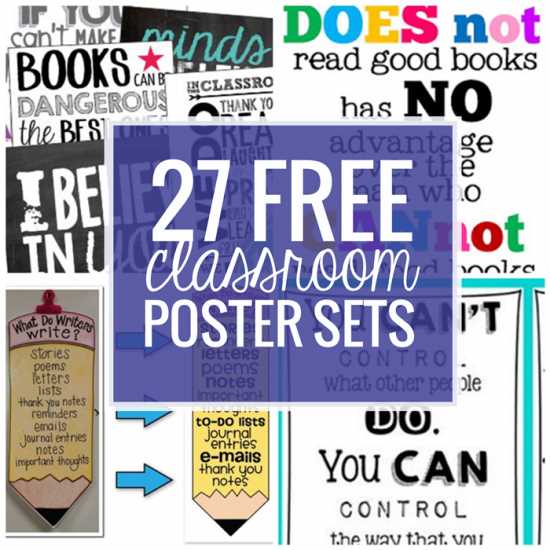
Start by using search engines to find websites that specialize in high-resolution designs. Look for platforms like Unsplash, Pexels, or Pixabay, which offer a wide range of images available for download. Ensure that the resolution of the artwork is appropriate for the size you plan to print. Aim for at least 300 DPI to guarantee sharpness and clarity when scaled up.
When browsing for images, filter by size and quality. Most design websites allow you to sort or filter by these attributes, ensuring you select large and detailed images. Pay attention to the dimensions of the image to ensure it will fit your desired frame or wall space without compromising on quality.
Another useful approach is to explore design marketplaces such as Etsy or Creative Market. These platforms often feature artwork created by independent artists. While some designs are paid, there are numerous free resources offered as well. Look for high-quality digital downloads, which can be directly transferred to your computer for printing.
If you’re looking for more customizable options, websites like Canva offer templates that can be easily edited. You can select from a variety of designs and modify them to suit your needs. Ensure that you download the design in the highest resolution possible when using these tools for printing.
After downloading, double-check the file format of the image. PDFs and TIFFs are preferred for print as they support higher-quality images. Avoid using formats like JPEG unless they are specifically high resolution, as they may not retain the detail you need for large prints.
Ensure your printer settings are configured correctly before printing. Choose a high-quality print setting on your printer and select the right type of paper. For a professional look, opt for photo paper or a heavier cardstock that adds depth and durability to the final result.
Lastly, consider the placement and framing of your print once it’s ready. This final step can make a big difference in how your design complements your space. Choose a frame that complements the colors and style of the print while also providing support to preserve its quality over time.