Start by tracing and writing the shape of the letter “E” to enhance recognition. You can download various formats of the symbol, which are ideal for young learners practicing handwriting. These activities help children develop their motor skills while understanding how the character fits within the alphabet.
Incorporating these exercises into a daily routine will speed up the learning process. It’s helpful to encourage children to write words that start with the letter “E,” such as “elephant,” “egg,” or “engine.” Repetition of these activities reinforces memory and makes the process both fun and educational.
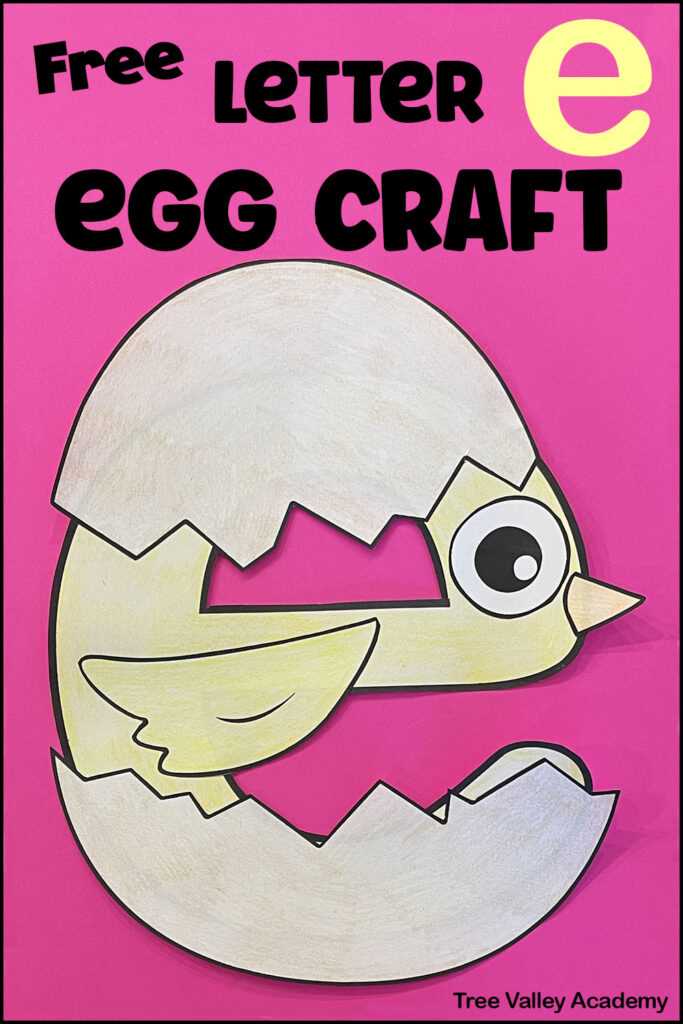
Additionally, you can use the shapes for arts and crafts. Cut out the forms and decorate them with different textures or colors to reinforce recognition through visual learning. By integrating this character into creative activities, children are more likely to retain the information and enjoy the process at the same time.
Learning the Letter E Through Fun Templates
Use simple tracing exercises to help children recognize and practice the shape of “E”. By having them trace over dotted outlines, kids can focus on hand-eye coordination while reinforcing the structure of the symbol. These exercises improve motor skills while making the learning process engaging.
Another fun approach is to incorporate the letter into themed activities. For example, you can create word association games using “E” words, such as “elephant,” “egg,” or “engine.” This helps children understand the significance of the letter in real-world contexts while associating it with objects they recognize and enjoy.
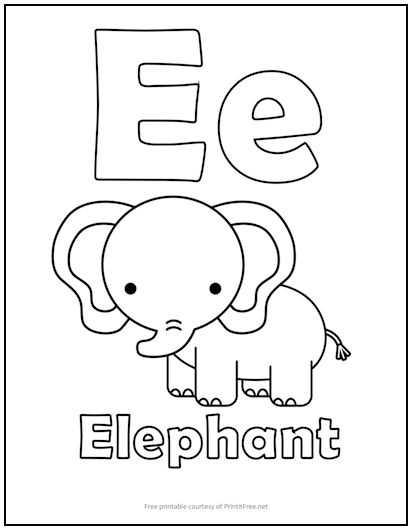
Interactive worksheets can also enhance the experience. Children can color images related to the letter, such as an “elephant” or an “Easter egg.” This ties in both visual and cognitive learning, as they associate the letter with vibrant images while reinforcing their understanding through a hands-on approach.
Cutting out the shapes and using them in crafts is another creative activity. Let children decorate or assemble the letter “E” with different materials such as paper, fabric, or markers. This not only strengthens their understanding of the shape but also provides an outlet for creative expression, making the learning process enjoyable.
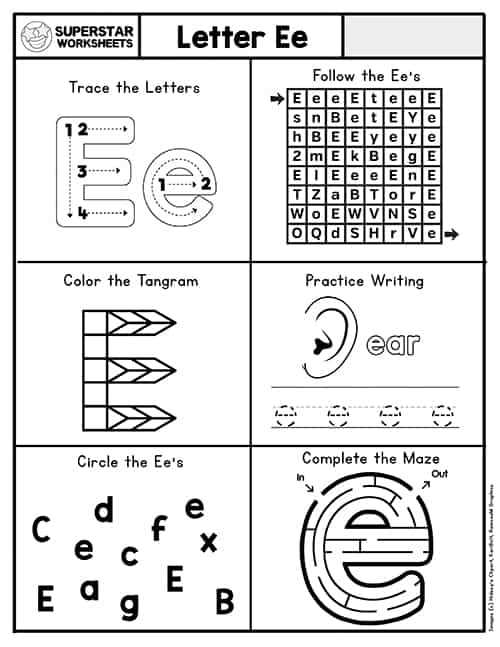
Finally, encourage repetitive practice. The more often children are exposed to the letter in different formats, the quicker they will retain the information. Simple games, such as scavenger hunts for words that start with “E,” are effective ways to reinforce learning in a playful way.
How to Use Letter E Templates for Early Literacy Practice
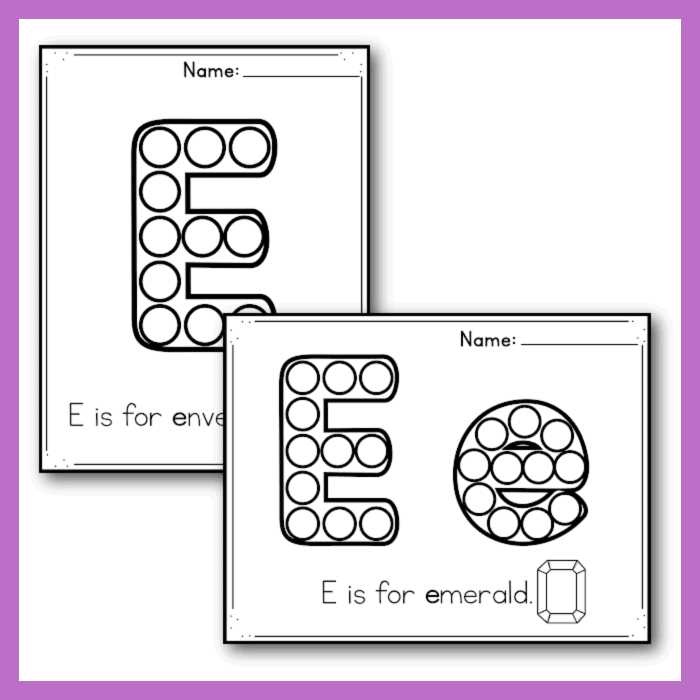
Start by using simple templates that allow children to trace the shape of “E.” This tracing activity encourages fine motor skills and reinforces the recognition of the character. Make sure to provide different styles, such as dotted lines and solid lines, to challenge them at various stages of learning.
Introduce word association exercises alongside the shape practice. Pair the character with words like “elephant,” “egg,” and “engine.” This helps young learners make connections between symbols and sounds, promoting both visual recognition and phonemic awareness.
Incorporate engaging coloring pages that feature objects beginning with the target symbol. For example, coloring pictures of “elephants” or “eggnog” not only reinforces the shape but also associates the sound with familiar objects. This multisensory approach makes the learning process more memorable.
Another useful approach is through cutting and pasting. Provide cut-out versions of the character and let children decorate or arrange them in different ways. Whether it’s gluing items onto the “E” or simply experimenting with the letter in different formats, this activity adds a tactile element to the learning experience.
As you move forward, introduce simple word-building activities. After mastering the basic shape, have children practice creating simple words that begin with “E,” such as “eat” or “echo.” This exercise builds early literacy skills and encourages phonetic recognition.
For variety, consider turning the process into a game. Use letter “E” templates in scavenger hunts, where children search for words that start with the target letter in books or around the house. This keeps them engaged while reinforcing what they’ve learned in a fun, interactive way.
Finally, make the process interactive by incorporating songs, rhymes, and games that emphasize the letter “E.” Singing songs or reciting rhymes that highlight the letter will further solidify its place in a child’s early vocabulary development. Engaging children through music and rhythm can make learning feel like a natural part of their routine.