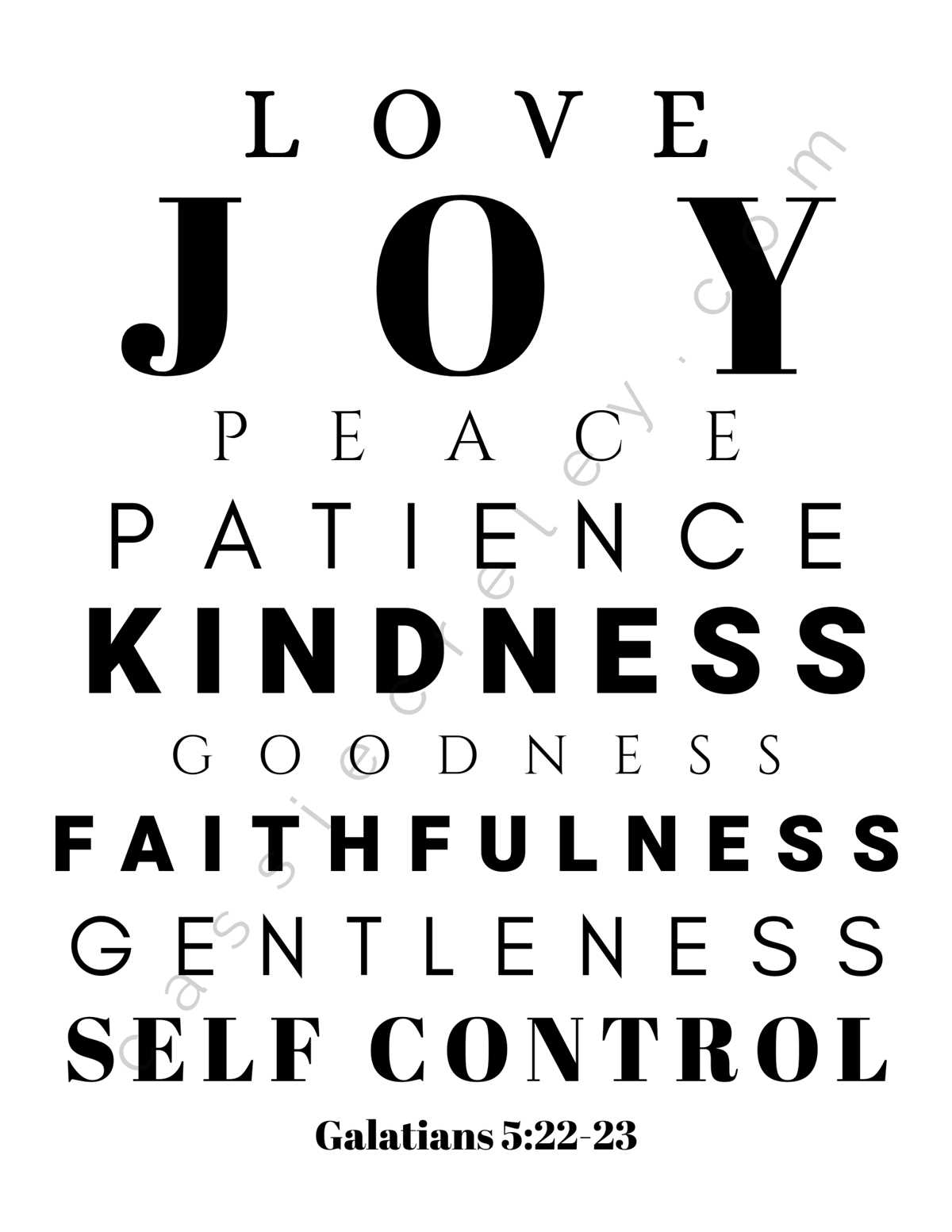
Creating visual representations of divine qualities can serve as a powerful reminder to focus on positive attributes. Printables that depict these virtues act as daily guides, encouraging growth in patience, kindness, joy, and peace. By incorporating meaningful imagery, one can stay connected to these principles throughout their day.
Start by choosing simple, clear designs that symbolize each characteristic–such as a heart for love, an olive branch for peace, or a sun for joy. These images can be printed and displayed in various areas, such as on walls, desks, or in journals, serving as constant prompts to embody these qualities.
Next, consider using color psychology to enhance the impact of each symbol. For example, calming blues can evoke tranquility, while warm reds and oranges may inspire energy and passion. Tailor your designs with shades that complement the feeling or message you wish to convey, making them both aesthetically pleasing and spiritually meaningful.
Additionally, using these illustrations in personal reflections or group settings helps strengthen their role as daily affirmations. Place them in spaces that encourage introspection and mindfulness, ensuring that each visual representation aligns with the inner work being done.
Spiritual Attributes for Personal Growth
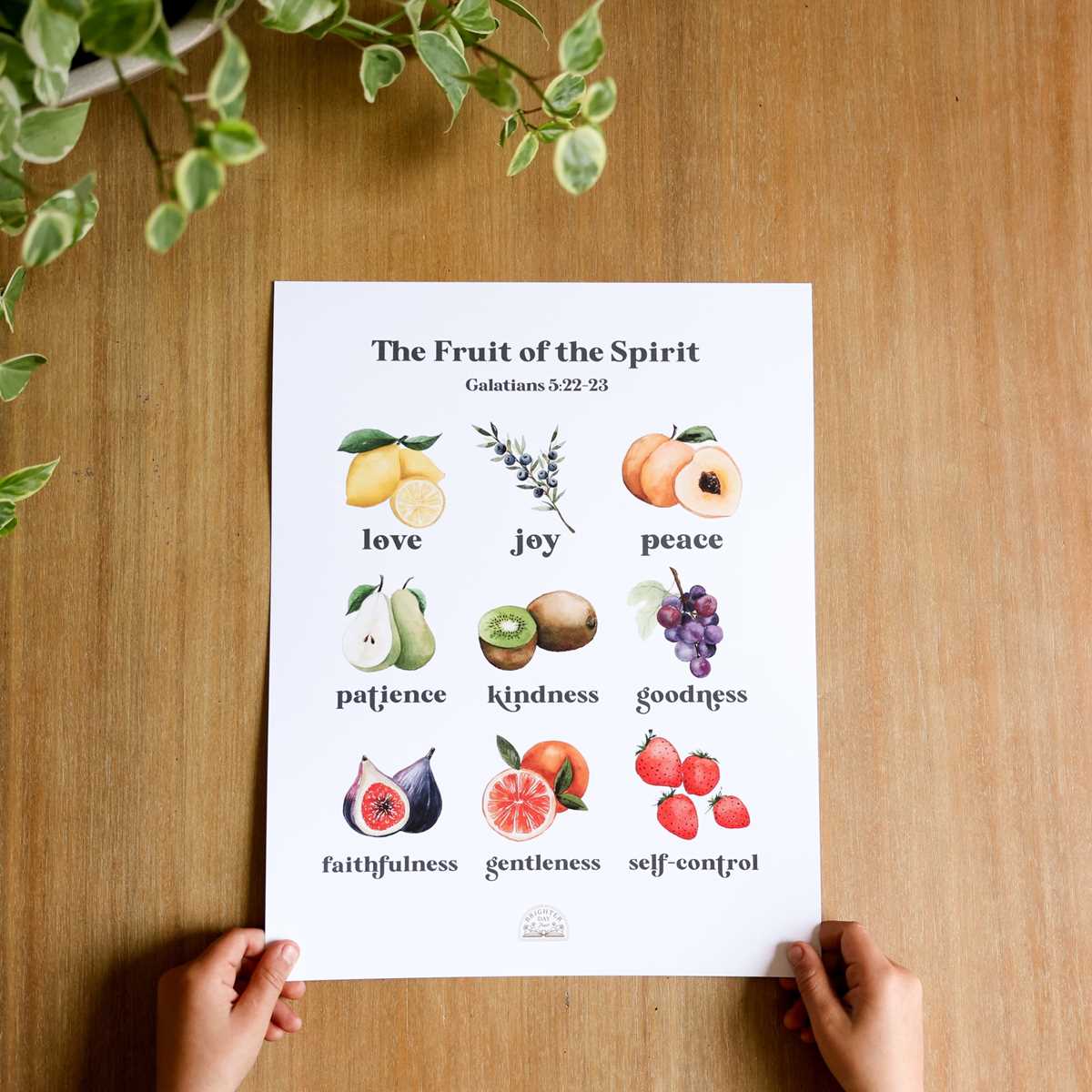
Begin by incorporating daily reflections on love, joy, and patience into your life. These qualities serve as a foundation for building strong relationships and inner peace. Display these values visibly to remind yourself of their importance.
Kindness is a simple yet powerful way to create meaningful connections. Share acts of goodness with others, whether through small gestures or consistent support. This practice promotes harmony and reinforces positive habits.
Gentleness can be cultivated through mindful communication and active listening. Show empathy and understanding, especially in difficult situations, to nurture calm and balanced interactions. It helps in diffusing conflicts and fostering mutual respect.
Faithfulness requires intentional commitment. Trust is built through consistency and reliability, both in actions and words. Demonstrating steadfastness in your promises enhances credibility and strengthens bonds with others.
Self-control is key to maintaining focus and resilience. Develop discipline by setting clear goals and sticking to them, even in challenging moments. Practicing restraint leads to emotional stability and thoughtful decision-making.
Peacefulness grows from a mindset of acceptance and surrender. Work on releasing stressors and focusing on present moments. Prioritize internal calm and serenity to deal with external pressures more effectively.
Lastly, generosity enhances your personal development and brings joy to those around you. Offer your time, resources, or skills selflessly, which can create a ripple effect, inspiring others to follow suit in their own ways.
HTML
How to Create Flashcards for Biblical Virtues
Begin by selecting clear, concise definitions for each characteristic. Write them on one side of each card, keeping the description simple and easy to remember. Use short sentences that can be understood quickly by all ages.
On the other side of each card, add a corresponding Bible verse or quote to highlight its meaning. This helps reinforce the concept with scriptural context, which gives the learner a deeper understanding of the teaching.
Consider using bold, readable fonts and large text sizes. Keep the design minimalistic, ensuring the focus remains on the words themselves. You can use a consistent color scheme for each card, but avoid clutter to maintain clarity.
Use images or symbols that align with the message of each card. For example, for patience, an image of a calm landscape could be paired with a verse. Visual elements should aid in memorization and understanding, not overwhelm the design.
After preparing each card, print them on sturdy cardstock. The heavier weight of the paper will make the cards more durable and easier to handle over time, especially if they will be used repeatedly in teaching or group activities.
To add extra functionality, you can laminate each card. This allows for longer use without damage and makes them easier to clean if necessary. Lamination also provides a professional look to your set of cards.
Arrange the flashcards in a set that can be shuffled. This allows for more dynamic learning sessions, where participants can test their knowledge in any order rather than a fixed sequence.
Finally, distribute the cards among participants or keep them for personal use. When practicing, review one card at a time, reflecting on the verse and its meaning, ensuring that each virtue is fully grasped.