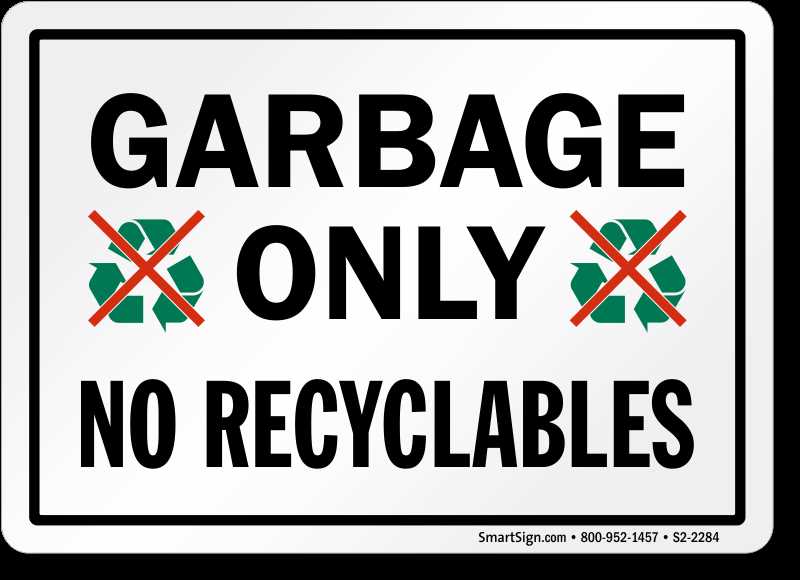
Select high-contrast waste disposal labels with bold pictograms and text at least 72 pt for viewing from 3–5 meters; this reduces sorting errors in offices and residential buildings by making categories instantly recognizable. Use black-on-white or black-on-yellow layouts for maximum legibility, and keep wording under six words, such as Mixed Waste Only or Paper and Cardboard. Add standardized recycling symbols and hazard icons where relevant to prevent contamination of collection streams.
Adjust page size and material to the placement area: A4 sheets for indoor bins, A5 for desk containers, and A3 for loading zones or shared waste rooms. For outdoor use, choose 200–250 gsm paper with lamination or synthetic sheets resistant to moisture; this extends usability in humid corridors and near service entrances. Mount labels at eye level (140–160 cm from the floor) and align them directly above or on the lid to eliminate ambiguity.
Color-code each category consistently across the facility–blue for paper, green for glass, yellow for plastics and metals, brown for organics, grey or black for residual waste. Maintain identical terminology on every notice to avoid confusion between “trash,” “refuse,” and “residual.” In multilingual buildings, place translations beneath the main language in a smaller font (60–70% of the primary size) to preserve hierarchy while supporting clarity.
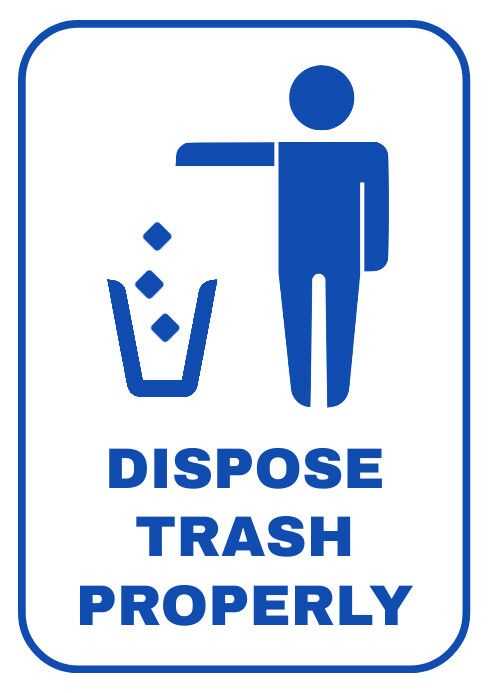
Include simple usage instructions in one line, for example: Empty liquids before disposal or No food scraps in this container. Facilities with frequent contamination issues can add small visual examples–two correct items and one crossed-out item–positioned at the bottom third of the page. Replace worn or faded notices every 6–12 months, and audit placement quarterly to confirm visibility after furniture changes or bin relocation.
Printable Garbage Signs for Clear Waste Sorting and Disposal
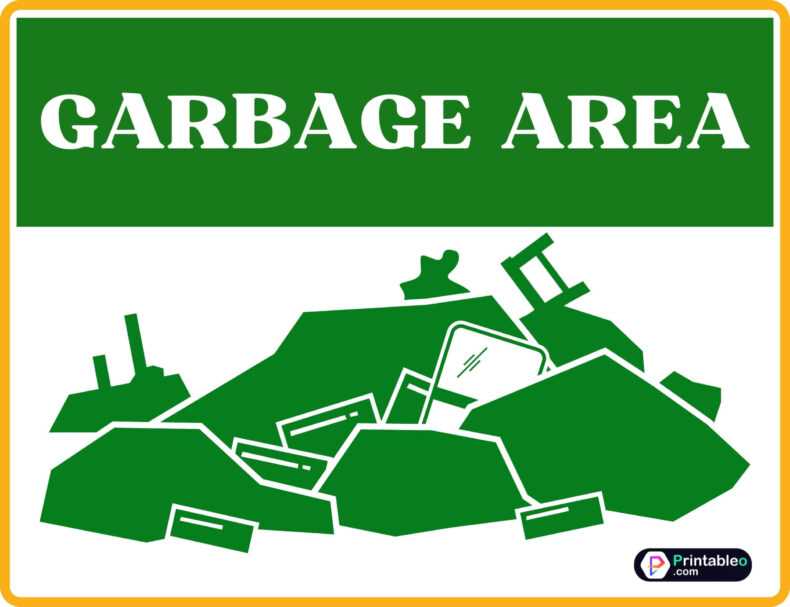
Place clearly labeled waste category posters directly above or on each bin, using bold sans-serif fonts at least 72 pt for headings and 36–48 pt for item examples to ensure readability from 3–5 meters. Add high-contrast color coding: blue for paper, yellow for plastics and metals, green for glass, brown for organic matter, and red for hazardous materials. Include 3–5 specific examples under each heading such as newspapers, cardboard boxes for paper or aluminum cans, PET bottles for recyclables to reduce sorting errors.
Use A4 or US Letter layouts for offices and classrooms, and A3 formats for warehouses or shared residential areas where bins are spaced farther apart. Laminate sheets with 125–250 micron pouches or place them inside transparent acrylic holders to protect from moisture and tearing. Mount each notice at eye level, approximately 140–160 cm from the floor, and position it directly above the corresponding container rather than on nearby walls to prevent confusion.
In multi-language environments, present category names in two languages with equal font weight rather than prioritizing one. Pair each label with simple vector icons–bottle silhouette, paper stack, banana peel–to assist quick recognition. Avoid decorative fonts and gradients; solid backgrounds with black or dark gray text increase legibility under fluorescent lighting common in utility rooms and corridors.
Indicate prohibited items clearly using a red circle with a diagonal line and short phrases such as No food residue or No plastic bags. Adding contamination warnings like “Items must be clean and dry” decreases rejection rates at recycling facilities. Where local regulations apply, reference the municipal waste code number in small print at the bottom to align internal sorting with city requirements.
For outdoor use, print on 200–300 gsm waterproof synthetic paper or attach standard paper sheets inside weather-resistant frames with rubber seals. Use UV-stable ink to prevent fading, especially in areas exposed to direct sunlight for more than four hours daily. Secure mounting with screws or industrial adhesive strips rated for at least 2 kg holding capacity to prevent detachment in windy conditions.
Review and update bin markers every 6–12 months to reflect changes in accepted materials, especially if the recycling provider modifies guidelines. Conduct a short audit by checking 20–30 randomly selected items from each container and adjust wording or examples if contamination exceeds 10%. Clear visual labeling, precise examples, and durable materials together reduce sorting mistakes and improve collection accuracy across offices, schools, and residential buildings.