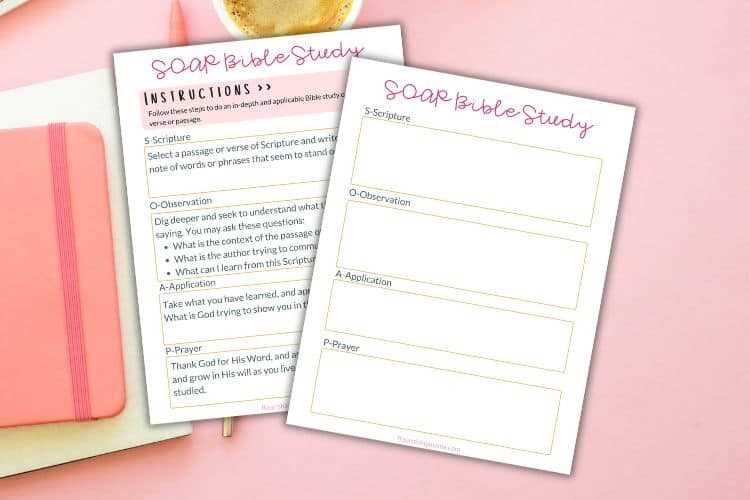
Download a structured reflection worksheet and use it during your next reading session to organize observations, personal insights, and practical actions on a single page. A well-designed template typically divides the sheet into four focused sections, allowing you to record the selected passage, capture key phrases, write a short personal reflection, and outline a concrete step you will apply within the next 24 hours. This simple layout reduces scattered notes and keeps attention on the text itself.
Choose a clean one-page layout with wide writing fields and clear headings. The most helpful versions leave at least 1.5–2 inches of vertical space for reflection and include a date line at the top so you can track consistency across weeks. Many readers find that using the same structured page daily for 15–20 minutes improves retention and makes it easier to review patterns in their spiritual growth over time.
For best results, keep printed copies in a dedicated folder or binder and review them weekly. Mark repeated themes, unanswered questions, and action steps you actually completed. This habit turns a simple reading routine into a measurable personal discipline, helping you move from passive reading to intentional application without adding complicated tools or extra planning time.
Four-Step Devotional Worksheet: Practical Guide for Daily Use
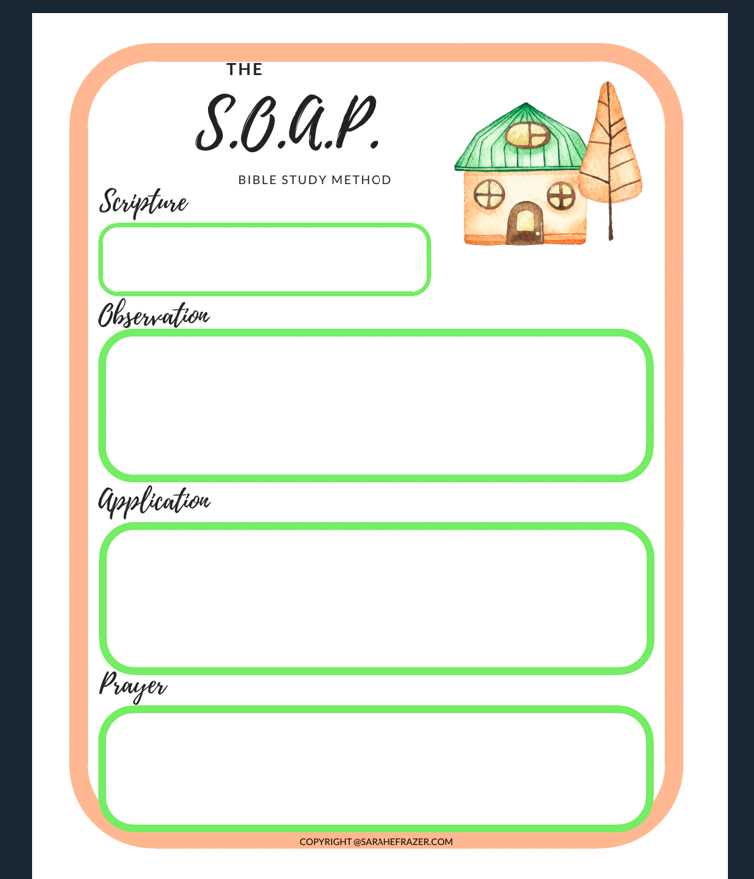
Use a one-page devotional worksheet each morning and fill it out immediately after reading a short Scripture passage; this habit keeps insights concrete instead of vague. Choose a quiet 10–15 minute window, keep a pen nearby, and write directly on the sheet rather than in a separate notebook. Consistency at the same time each day improves recall and focus within two weeks.
The worksheet is built around four clear sections that guide reflection from text to personal action. Complete them in order without skipping, even on busy days:
- Text selection: copy one or two verses word-for-word to slow your reading pace.
- Observation notes: record what stands out–repeated words, commands, or contrasts.
- Personal response: connect the passage to a real situation you face this week.
- Prayer focus: write a short, specific prayer linked to what you observed.
For daily use, keep the sheet simple and visually clean. Use wide margins for handwriting and limit each section to 4–6 lines to prevent overthinking. Many people see better retention when they handwrite rather than type. Store completed pages in a dated binder; after one month, review earlier entries and highlight recurring themes or instructions you may have missed.
If motivation drops, adjust the routine instead of abandoning it. Try these practical tweaks:
- Switch to shorter passages (3–5 verses) on busy days.
- Set a repeating phone reminder at the same hour.
- Prepare the next day’s passage the night before.
- Use colored pens to mark commands versus promises.
Within 30 days of steady use, most readers report clearer recall of passages and more specific prayer language. Keep each session brief, written, and focused on one passage at a time; depth grows through repetition, not length.
How to Structure a SOAP Bible Study Page for Personal Devotions
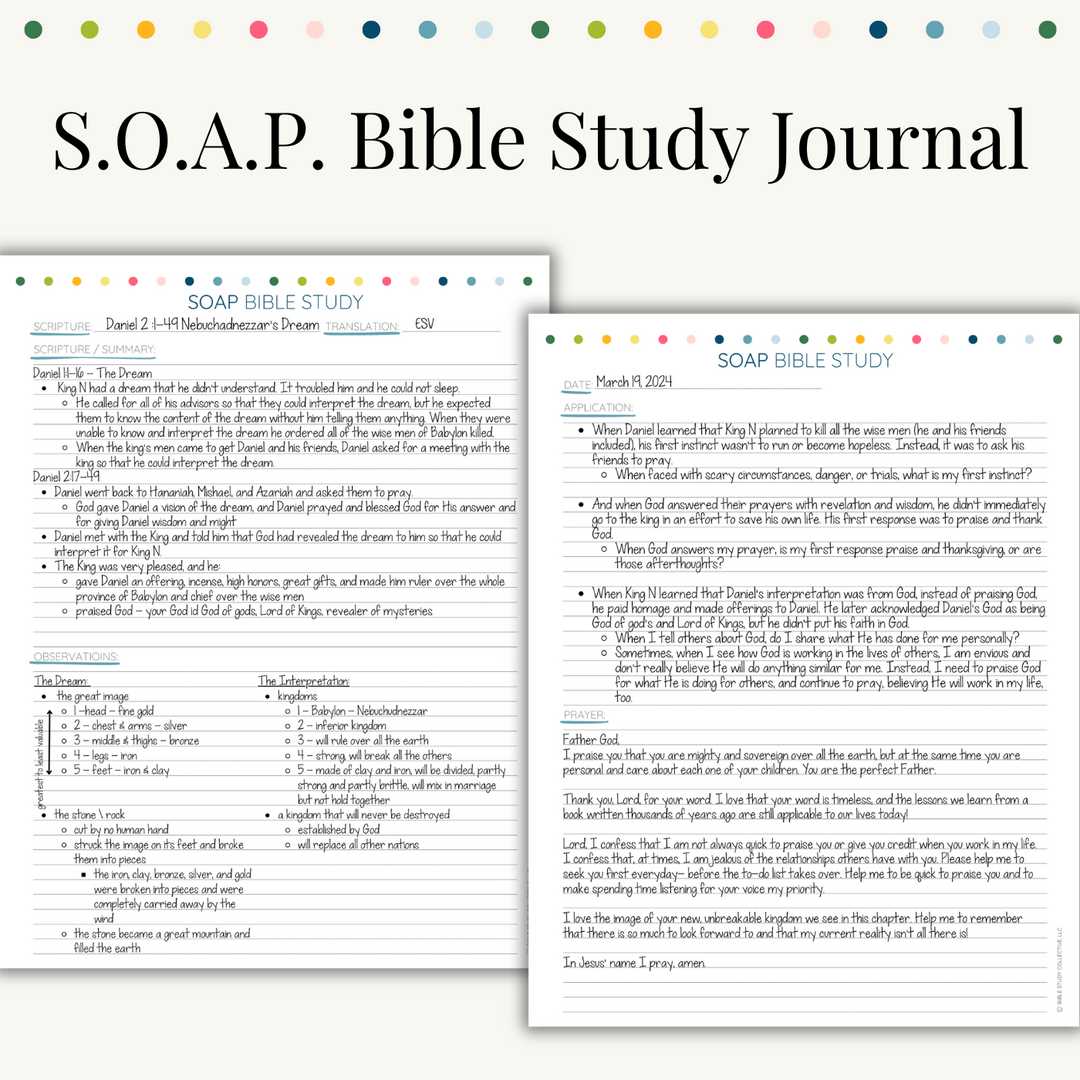
Create four clearly labeled sections across the page and leave generous writing space under each heading. Place the passage reference at the top margin, followed by the date and a short theme line. This layout keeps your reflections organized and makes it easier to revisit previous entries without confusion.
Reserve the first block for the selected passage. Write the verses in full rather than abbreviating them. Hand-copying slows your reading pace and improves retention. Use wide line spacing so later highlights or underlines remain readable. If space is limited, focus on the most meaningful portion instead of squeezing in an entire chapter.
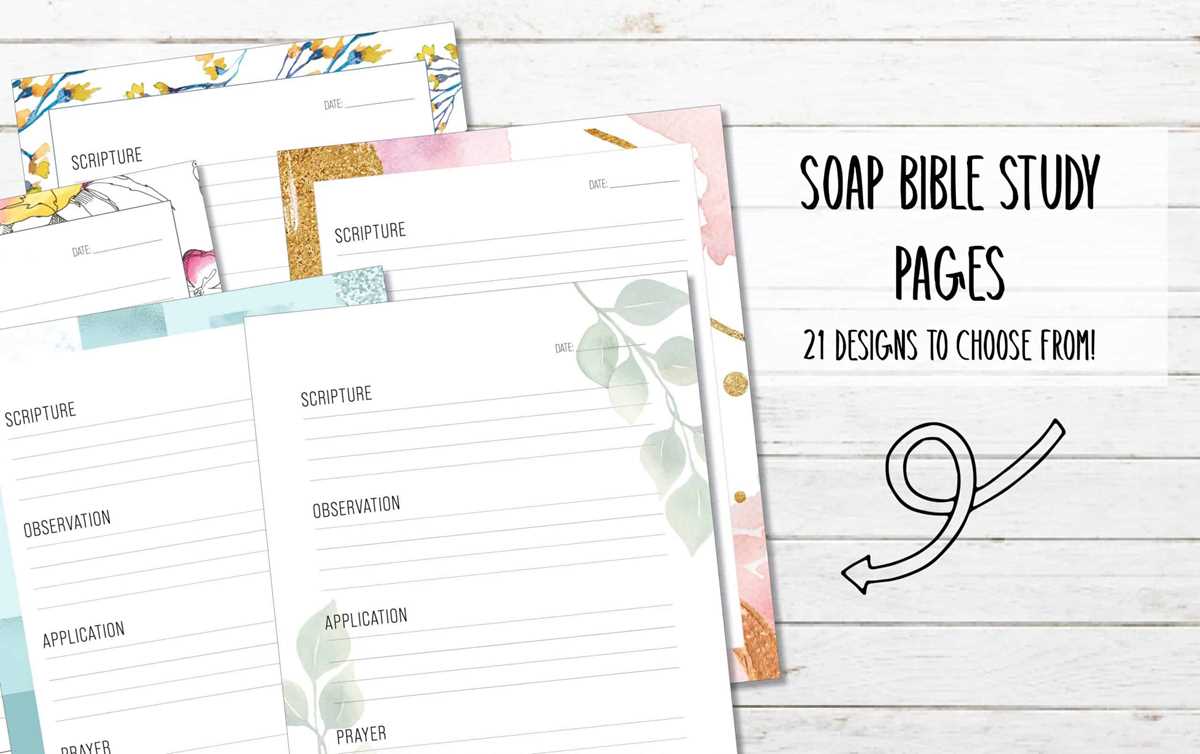
Dedicate the next section to observations. Record concrete details: repeated words, contrasts, commands, or cause-and-effect statements. Avoid personal opinions here; treat this portion like careful note-taking. Many readers find it helpful to use bullet points for clarity and to separate each textual insight onto its own line.
Follow with an interpretation area that answers one focused question: what is the core message of the passage? Write in complete sentences and support your conclusion with specific phrases from the text. Limiting this section to three to five sentences prevents drifting into unrelated commentary.
The response section should translate insight into action. Write one measurable step such as “call a family member,” “practice patience during meetings,” or “set aside ten minutes for gratitude.” Vague intentions rarely lead to change, while concrete actions create accountability.
Include a short reflection or prayer box at the bottom of the page. Keep it brief–two or three sentences are enough. Leave a small checkbox nearby to mark completion after you revisit the entry later in the week. This simple tracking habit helps maintain consistency over time.
Use visual cues to improve usability: light divider lines between sections, bold headings, and a consistent margin on every page. If you maintain a binder or notebook, number each entry and add an index page at the front. Over months of personal devotion, this structure turns scattered notes into a searchable spiritual record.