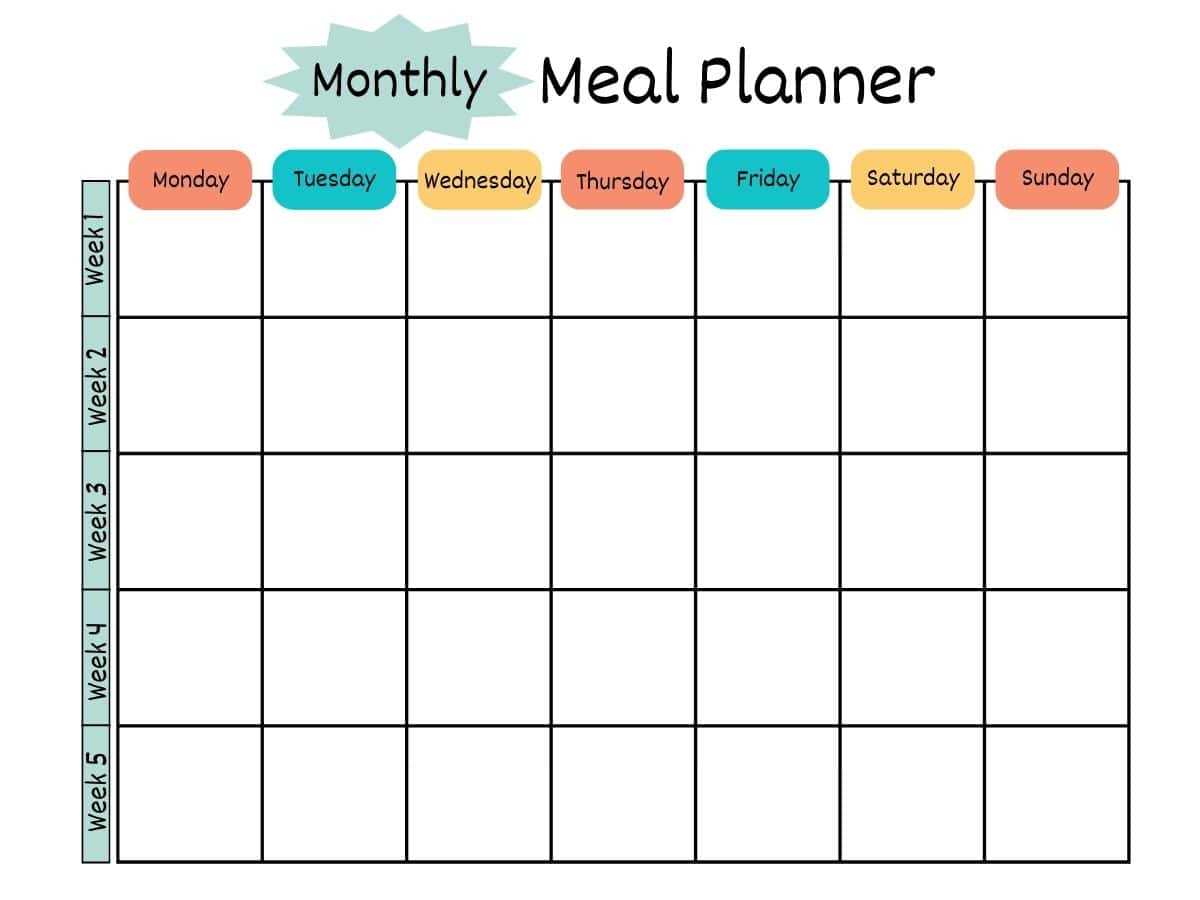
Managing your weekly meals becomes far easier when you have a structured approach. Start by breaking down your meals by days of the week, incorporating breakfast, lunch, dinner, and snacks into one visual chart. By doing so, you’ll not only save time but also reduce stress about what to cook each day. Keep the list flexible to accommodate last-minute changes or cravings without losing track of your goals.
Prioritize balance in your weekly choices. Instead of sticking to random meals, plan a variety of proteins, grains, vegetables, and fruits to ensure you meet your nutritional needs. Rotate between familiar dishes and new recipes to maintain interest and excitement. This practice also helps minimize food waste, as you can better utilize what you have on hand.
Streamline your grocery list by cross-referencing the meals planned with items you already have in your pantry or fridge. Make note of ingredients that need replenishing and avoid unnecessary purchases. An organized grocery list can reduce the time spent at the store and prevent impulse buys that don’t align with your intended meals.
Consistency in preparation is key. Batch cooking can save hours over the week, whether it’s preparing a large portion of grains, chopping vegetables, or pre-cooking proteins. Allocate a few hours on the weekend to make this process smoother during busier weekdays. Having meals ready to grab and heat makes sticking to your plan more achievable.
Efficient Weekly Meal Organization
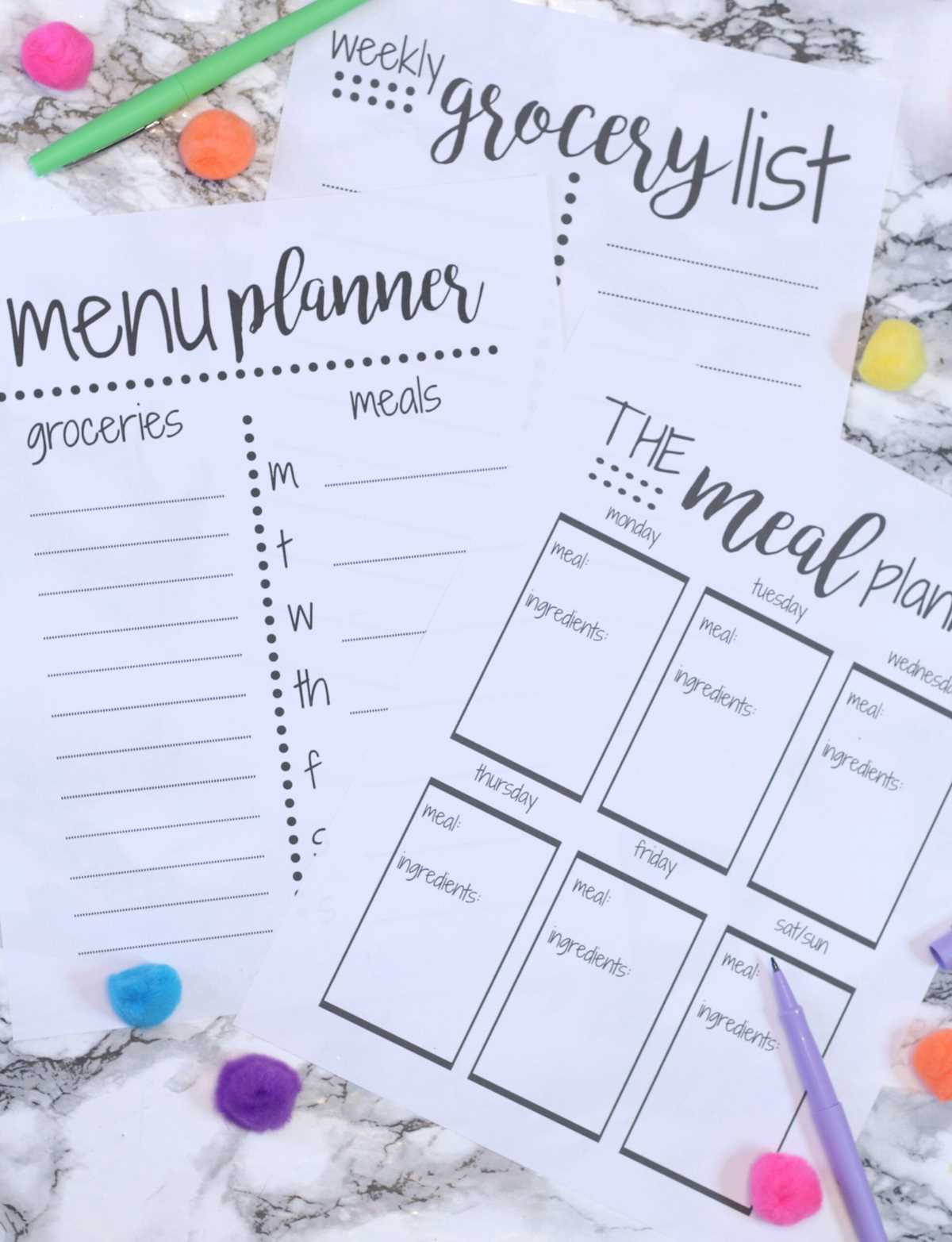
Start by establishing a structure with a weekly overview. Include space for each day of the week and sections for breakfast, lunch, dinner, and snacks. This layout ensures balanced meals and prevents forgotten grocery items. When planning, focus on using ingredients that can be shared across multiple meals, reducing waste and maximizing the value of your grocery list.
Next, incorporate sections for both shopping and preparation steps. Each recipe can have a list of ingredients on the left and cooking instructions on the right. By doing so, it’s easy to track what needs to be bought and what’s already in your kitchen. This step simplifies the cooking process and helps avoid impulse purchases during your grocery run.
Consider adding a “notes” section for extra information like meal prep tips or alternative ingredients. It might be helpful to note when a recipe can be doubled for leftovers or when a meal can be made ahead of time. This will optimize your cooking schedule and reduce daily cooking time.
- Keep meals versatile with simple ingredients like rice, beans, and seasonal vegetables.
- Incorporate a variety of protein sources like legumes, eggs, or lean meats.
- Plan for at least one freezer-friendly meal each week for those busy days.
To make the system even more functional, include space for adjusting portion sizes based on the number of people in your household. Adjusting for family or guests on specific days is simple, and having clear sectioned spaces avoids confusion when making substitutions.
Choose templates that provide enough space for flexibility. It’s useful to have a layout that can accommodate new meal ideas or changes without too much effort. It should be quick to edit so that you aren’t wasting time re-writing plans or grocery lists.
Finally, regularly review and refine your system. A week-by-week approach helps keep the process streamlined and organized. You might find that certain meals work better at different times or that shopping strategies evolve, leading to even more efficient planning.
How to Choose the Right Meal Planning Resource for Your Needs
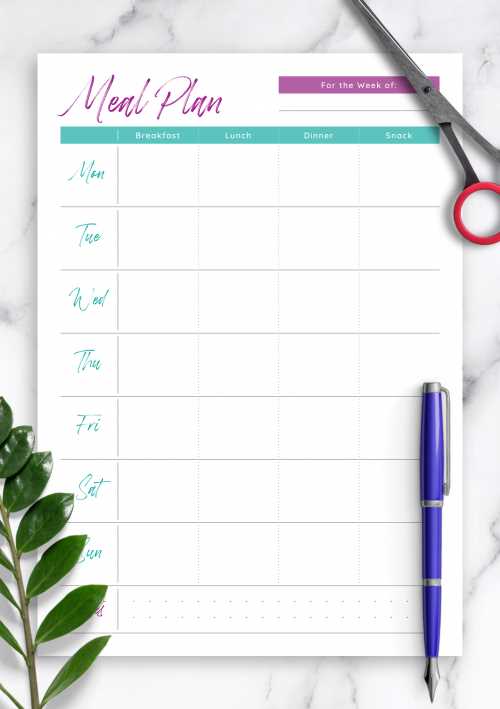
Focus on your specific goals before picking a layout. If you are organizing meals for a family, a resource with space for multiple meals per day works best. For those planning individual servings or just a few days, a minimal design with fewer sections may be more efficient. Make sure the format aligns with the number of meals you want to track, whether it’s weekly or daily.
Consider the visual appeal of the layout. A resource with color-coded sections can help you quickly identify different meal types, such as breakfast, lunch, and dinner. If you need flexibility, look for a simple design that lets you adjust meal categories without being restricted by preset options.
Ease of use is another factor to weigh. Choose a layout that makes writing and editing meals easy. Some offer spaces for shopping lists or notes, allowing you to plan efficiently. If you prefer digital versions, ensure the layout is compatible with your device, so you can access and update it effortlessly when needed.
Lastly, think about customization. If your meals require specific dietary needs, look for a layout that allows you to modify sections, like adding a calorie count or special ingredient notes. Choose a design that adapts to your unique requirements, not one that forces you to conform to a rigid structure.