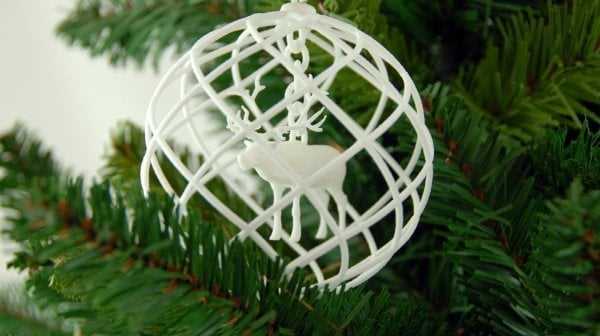
Choose lightweight STL ornament models that use under 15 grams of PLA if you plan to hang them on a tree branch. Files with wall thickness between 1.2 and 1.6 mm usually produce sturdy pieces without long build times. For most home printers, a 0.2 mm layer height balances surface smoothness and speed.
Select designs that fit within a 100×100 mm build area to avoid unnecessary scaling. Smaller holiday figures typically finish in 45–90 minutes, while larger hanging pieces can exceed three hours. If producing multiple items, arrange several models on one build plate to reduce repeated heating cycles.
Material choice affects the final look. Standard PLA works well for indoor seasonal ornaments, while silk PLA adds a glossy finish without extra paint. Use light-colored filament if you plan to add acrylic details later; darker plastics often require two or more paint coats for full coverage.
Before mass production, print one test piece and check hole diameter for hanging hooks or ribbon. Openings of 3–4 mm suit most ornament strings. This quick check prevents wasted filament and ensures each finished piece is ready for display immediately after cooling.
3D Printable Christmas Decorations
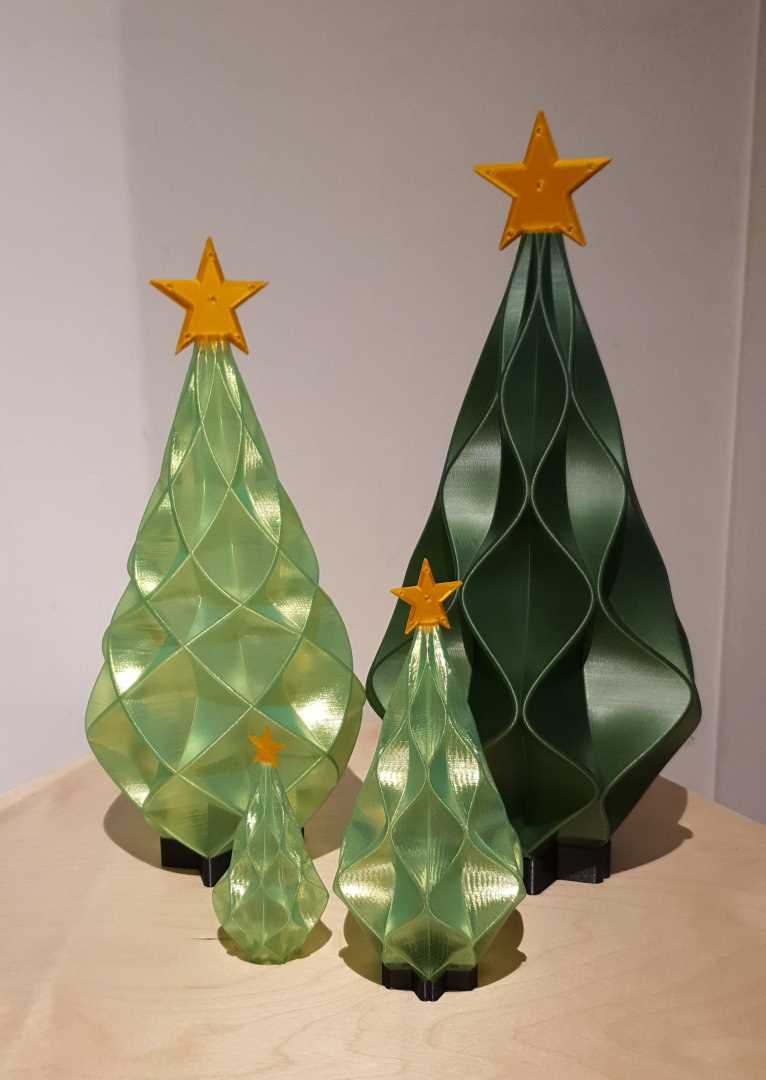
Select ornament STL files designed for FDM printers with a 0.4 mm nozzle to avoid failed builds. Models with built-in hanging loops save post-processing time and reduce the risk of cracking when drilling holes later. Aim for designs that require no support or only minimal supports touching the build plate.
Keep layer height at 0.16–0.2 mm for smooth curved surfaces such as baubles and stars. For flat seasonal plaques, a 0.24 mm layer can shorten production time without visible quality loss at normal viewing distance. Use two to three perimeter walls to prevent fragile edges.
Choose filament based on the final display location. Standard PLA suits indoor holiday pieces, while PETG handles warmer rooms near fireplaces or heated lights. Metallic or silk finishes add shine straight from the printer and reduce the need for paint.
After printing, remove stringing with brief heat-gun passes or fine sandpaper around 220 grit. If painting is planned, apply a thin primer coat first; this helps acrylic colors cover evenly and prevents streaking on layered surfaces.
Batch production works best when multiple small ornaments fit on one build plate. Grouping five to eight items in a single run cuts total warm-up cycles and keeps output consistent across the entire festive set.
Where to Find Free STL Files for Christmas Tree Ornaments
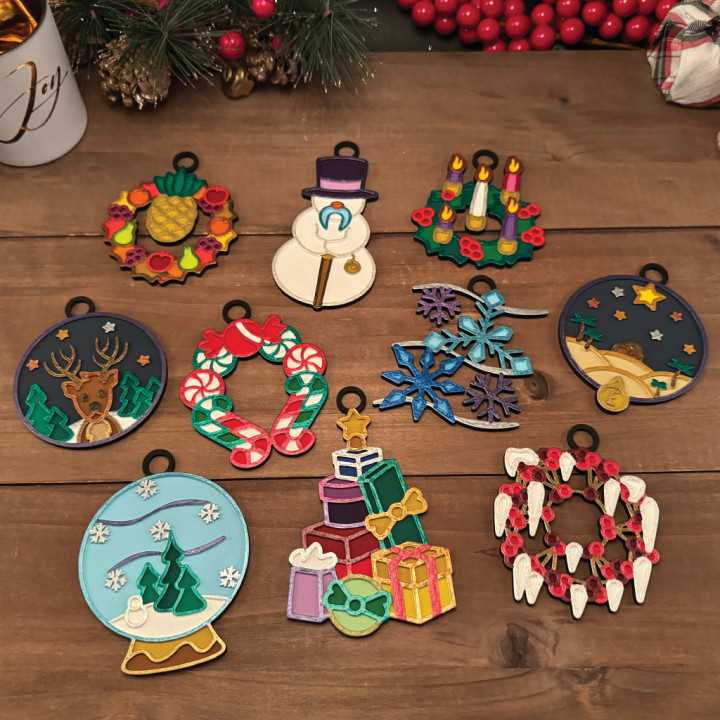
Use large 3D model repositories with built-in rating filters so you can quickly identify files that slice and build without errors. Focus on platforms where each model page lists layer previews, recommended materials, and real user photos. Items with at least four stars and multiple successful builds are usually safer choices.
Community-driven libraries often host thousands of holiday ornament designs. Apply search filters such as “no supports,” “under 2 hours,” or “PLA friendly” to narrow results. This reduces trial prints and saves filament during busy seasonal preparation.
Design marketplaces that offer free samples can also provide high-quality hanging models. These sites typically include well-optimized meshes with clean geometry. Check polygon density before downloading; extremely dense meshes may slow slicing on older computers.
Preview the model orientation inside the browser viewer. Look for flat backs or built-in loops positioned vertically, which usually produce cleaner results on standard FDM machines. Avoid files that require complex supports inside small cavities.
Educational maker portals sometimes publish curated winter ornament packs for classroom use. These collections often include consistent sizing between pieces, making it easier to produce matching sets for trees, wreaths, or gift tags.
Before saving any STL, review the license section on the model page. Many free designs allow personal use but restrict resale. Confirming this detail prevents problems if the items are later used in school fundraisers or craft fairs.
After downloading, run the file through your slicer and check estimated filament use and build time. Models that consume under 20 grams and finish within 90 minutes are ideal for producing multiple festive tree accents in a single afternoon.