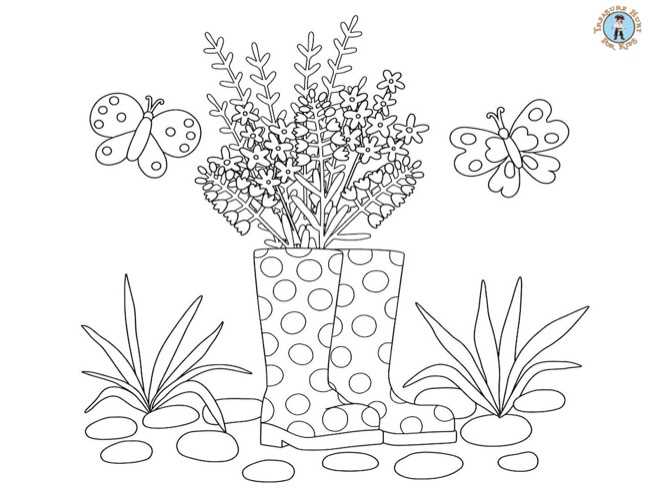
Start with designs that feature bold outlines and clear spaces, making it easier to fill with colors. Opt for simple, symmetrical patterns if you’re new to this activity, as they will be more enjoyable and less stressful to complete. For more intricate designs, try those with layered elements or varied shapes, which allow for creative expression through shading and color blending.
Ensure the paper you use is thick enough to prevent colors from bleeding through. Choose quality, smooth paper that is easy to work with, especially for markers or watercolor. If you’re printing multiple sheets, adjust your printer settings to ensure the images are sharp and well-aligned, avoiding any distortions that might affect your coloring experience.
To add a personal touch, mix various coloring techniques. Try using crayons for bright, solid colors, or opt for colored pencils to create delicate gradients. If you prefer a more detailed approach, you can experiment with watercolors for a soft, fluid effect. The key is to make the activity both relaxing and engaging, allowing your creativity to flow freely.
Choosing the Right Flower Designs for Creative Expression
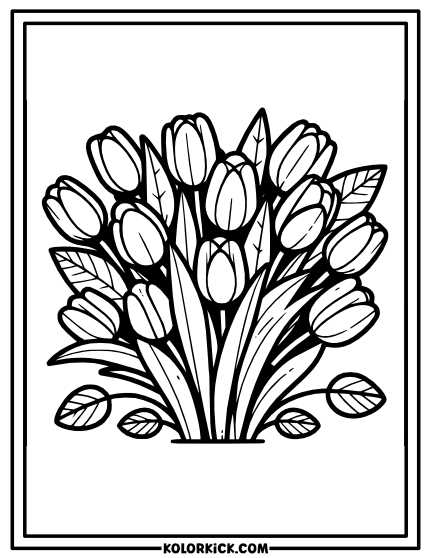
For beginners, select designs with simple, broad spaces and less intricate detailing. Opt for larger petals and leaves that offer more room for experimenting with different hues. These designs are less overwhelming and provide an easier entry point for those looking to relax while filling in the blanks.
If you’re looking for more challenge, explore patterns that include smaller elements or more complex shading areas. Intricate designs that feature smaller flowers, such as roses or daisies, allow for more detailed work and are ideal for people seeking to improve their skills and explore various coloring techniques like blending or layering colors.
Consider selecting themed grids, such as botanical prints or stylized representations of different flower species. This will add a fun educational element to the process. For example, a collection of wildflowers or tropical plants will give you a range of colors and shapes to work with, making the experience both enjoyable and informative.
Use paper with a smooth surface to get the best results. Thicker paper will prevent bleeding, especially when using markers or watercolor paints. The texture of the paper also influences how well colors blend and how smooth the final result looks, so testing with different types of paper can help find what works best for your project.
If you are planning to display your completed art, consider printing on a higher quality stock or even canvas for a more polished finish. This will not only improve the overall look but also enhance the longevity of your creations. A glossy finish can give your artwork a professional touch, while matte paper offers a softer, more subdued effect.
Experiment with various coloring tools to see which ones suit your style. Crayons, markers, colored pencils, and pastels all offer different results. For a more fluid approach, watercolors can provide beautiful transitions between colors, while colored pencils allow for more precise control over shading and detail.
Lastly, enjoy the process. Don’t worry too much about perfection. Whether you’re creating bold, vibrant artwork or soft, pastel compositions, the goal is to relax and let creativity flow. With each design, you’ll improve your skills and discover new ways to add your personal touch to the art you create.
Choosing the Best Flower Designs for Different Age Groups
For younger children, opt for large, simple patterns with thick outlines. Bold, easy-to-follow shapes, such as large tulips or daisies, will keep their attention focused without overwhelming them. The goal is to allow them to express creativity without struggling with intricate details.
As children grow older, introduce designs with more detail, like layered petals or leaves with texture. Designs with 5-10 elements work well, offering enough complexity to hold their interest but not so many that it becomes frustrating. Floral patterns with repetitive elements like petals or vines allow for exploration of color gradients and blending.
For teenagers, consider including more complex designs with smaller, interconnected elements. Floral arrangements with intricate shading or small buds scattered across the page encourage the use of advanced techniques, such as shading, blending, and even adding highlights with lighter colors. They will enjoy the challenge of bringing these designs to life.
Adults can enjoy more detailed and sophisticated botanical patterns, such as realistic roses, orchids, or exotic tropical plants. Designs with dense petals and intricate lines provide a rewarding challenge and encourage attention to detail. For those with an interest in art, these patterns allow for creative interpretation with different mediums, from colored pencils to markers and even watercolor paints.
For elderly individuals, choose designs that are calming and therapeutic. Simpler patterns, like a few large flowers in a field or clusters of tulips, are soothing and don’t require intricate work. These designs allow for creativity while not demanding sharp focus, which can be beneficial for relaxation and stress reduction.
If the designs are meant for family activities, select floral arrangements with a mix of difficulty levels. Including both simple and complex elements within one design makes it accessible to all ages. For instance, having larger flowers surrounded by intricate vines or smaller blossoms provides everyone with a task that suits their skill level.
Lastly, consider preferences and artistic interests. Some might prefer abstract floral patterns with swirls and geometric shapes, while others enjoy more realistic depictions of plants. Offering a range of styles, from minimalistic to detailed, ensures that there’s something for everyone to enjoy and express themselves through.