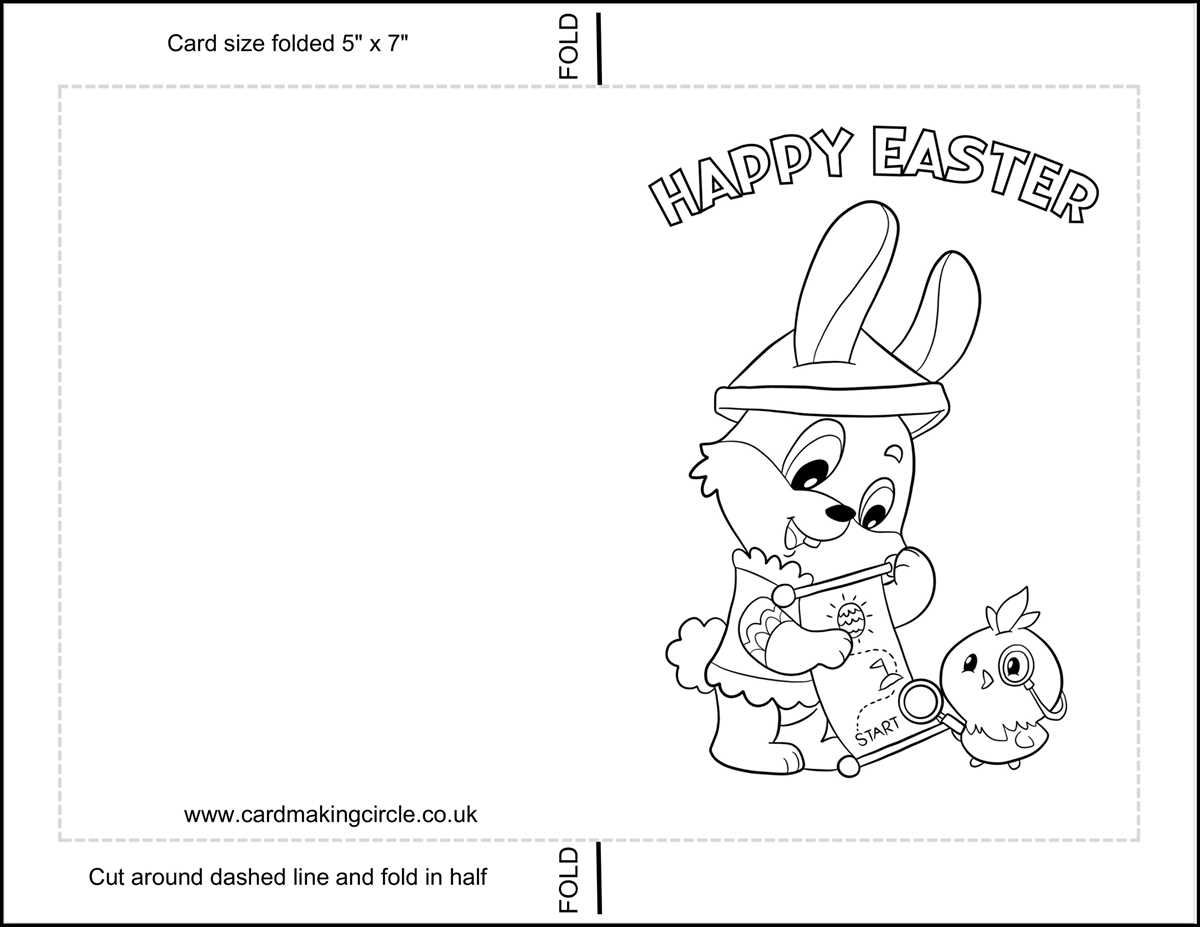
Choose downloadable spring greeting templates formatted for A4 or US Letter paper with pre-marked fold lines and 0.5-inch margins. Select designs sized 5×7 inches after folding to fit standard envelopes. Use 200–250 gsm cardstock for durability and set printer quality to high resolution to keep pastel details and thin outlines sharp.
Pick layouts with bunny illustrations, decorated eggs, floral borders, or minimal typographic fronts depending on the recipient’s age. For children, select bold outlines suitable for coloring; for adults, use soft watercolor patterns and clean lettering. Keep the interior blank or lightly lined to allow handwritten messages without ink bleed-through.
Before printing multiple copies, test one sample to check alignment and folding accuracy. Trim along crop marks with a paper cutter for straight edges, then crease using a ruler for a crisp fold. Store finished greeting designs flat to prevent bending and insert them into matching pastel envelopes for a polished presentation.
Happy Easter Cards Printable
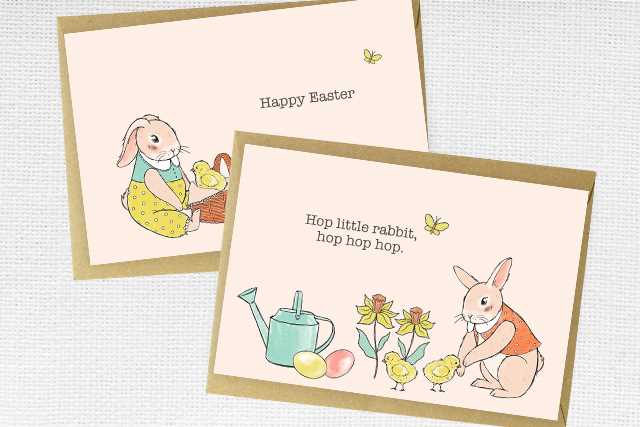
Select downloadable spring greeting templates sized 5×7 inches after folding and formatted for A4 or US Letter paper. Use 200–250 gsm cardstock and set printer scaling to 100 percent to keep borders and artwork aligned with trim marks.

Choose design themes based on recipient age and purpose. For young children, pick bold outlines with simple bunny or egg illustrations suitable for coloring. For friends or colleagues, select minimalist layouts with pastel palettes and clean typography.
Adjust printer settings before producing multiple copies:
- Paper type set to heavy or cardstock
- High quality or photo mode for detailed artwork
- Borderless printing disabled if trim guides are included
- Single-sided output for foldable formats
Trim along crop marks using a metal ruler and craft knife for straight edges. Score the fold line lightly with a blunt edge to prevent cracking along the center crease.
Add personal touches inside the folded greeting. Handwrite a short seasonal message, attach a small sticker, or include a pressed flower for texture without increasing bulk.
Store finished pieces flat in a dry place to avoid curling. Insert into matching pastel envelopes sized slightly larger than 5×7 inches to prevent corner bending during delivery.
Prepare small batches of themed designs such as floral borders, chick illustrations, or decorative egg patterns to suit different recipients while keeping layout dimensions consistent across all templates.
How to Choose the Right Easter Card Template Size and Paper Format
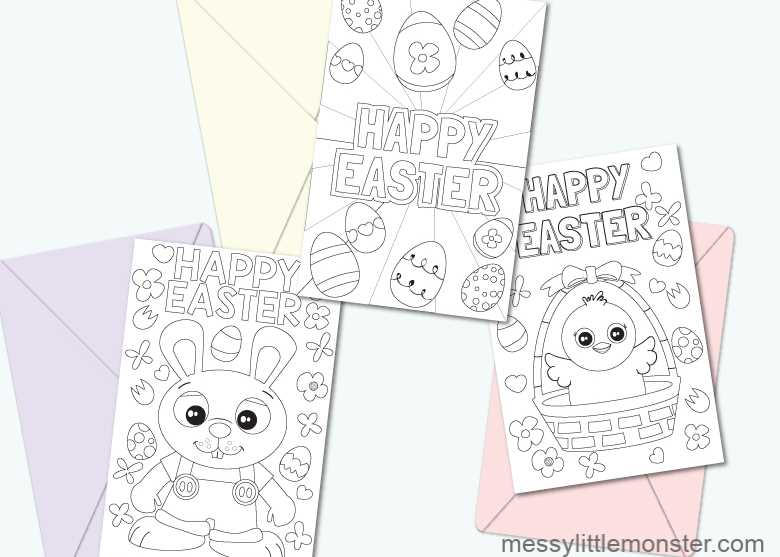
Select a finished folded size of 5×7 inches for standard mailing, as it fits widely available A7 envelopes and balances image space with room for a handwritten note. For classroom exchanges, use smaller 4×6 inch formats to reduce paper use and printing costs.
Match template layout to your paper standard. Choose US Letter (8.5×11 inches) in North America and A4 (210×297 mm) in most other regions. Ensure the design file includes clear crop marks and a central fold guide positioned precisely at half the page width to prevent uneven edges after trimming.
Use cardstock between 200 and 250 gsm for durability. Lighter paper under 160 gsm may curl after folding, while heavier stock above 300 gsm can crack along the crease unless scored beforehand.
Check printer margin settings before output. Disable automatic scaling and confirm 100 percent size in the print dialog. A reduced scale can shift borders inward and misalign decorative frames.
Consider orientation. Landscape layouts folded vertically create a classic side-opening greeting, while portrait orientation folded horizontally produces a top-opening style suitable for larger illustrations.
Test one sample copy before producing a full batch. Trim along guides with a paper cutter rather than scissors to maintain straight edges and consistent dimensions.
Store unused blank designs flat in a dry area to prevent moisture absorption, which can warp thicker stock and affect print clarity during later use.