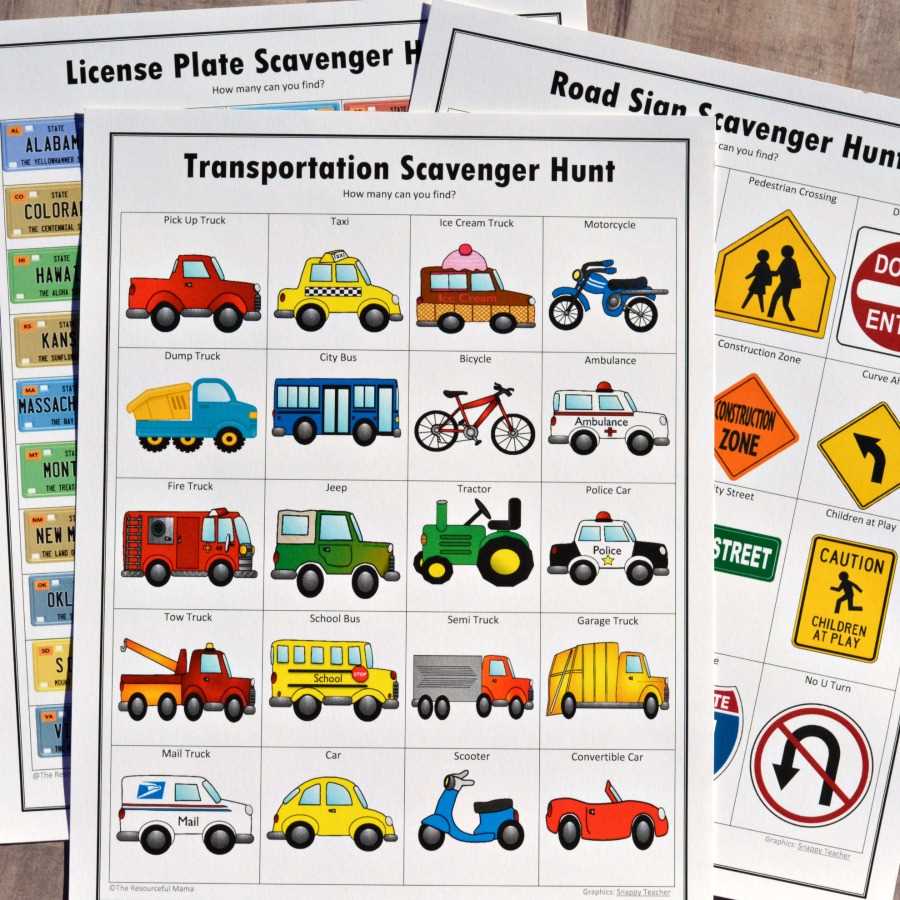
If you’re looking to keep everyone entertained during a long drive, creating a list of items to spot along the way is a simple and enjoyable solution. This activity works well for people of all ages and can be easily adjusted depending on your travel route or interests. Prepare a list of items or themes that passengers need to spot from the windows, and award points for each find. It’s an excellent way to pass the time and make the drive more engaging.
To create an exciting experience, include a variety of objects and situations that are commonly seen on the road–like animals, specific types of vehicles, or roadside signs. You can also tailor the challenges to be more difficult or specific, such as spotting a particular model of car or a specific type of building. By mixing easier tasks with harder ones, you’ll keep participants motivated throughout the trip.
In addition to the list, consider using visual cues and images for younger travelers who might not yet be able to read. Incorporating a creative theme, like a nature or history scavenger hunt, will add an educational component to the activity. Customize the experience by including things that are unique to your travel area, such as local landmarks, to keep everyone engaged and curious.
How to Create a Fun Road Trip List for All Ages
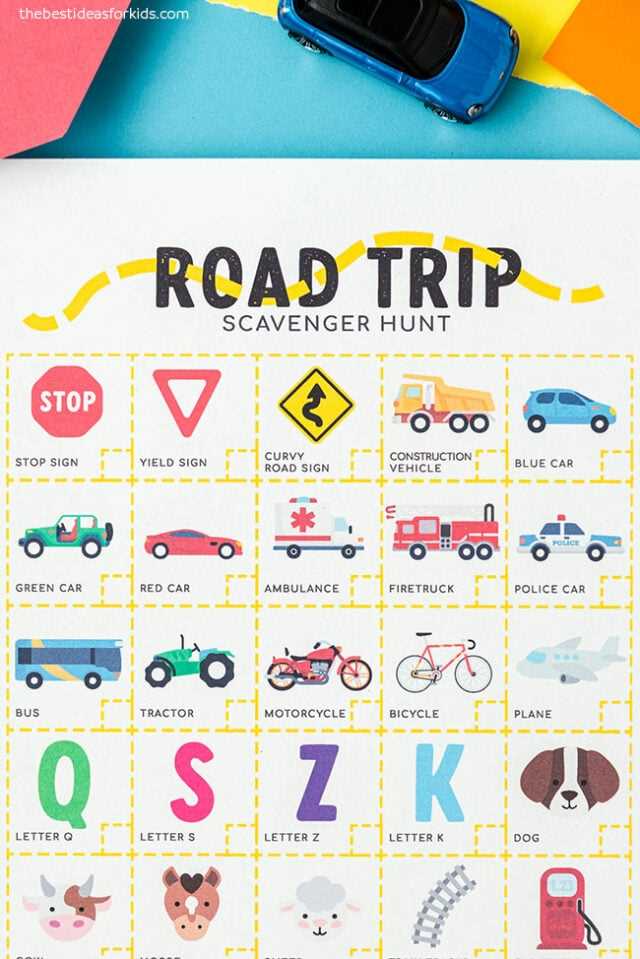
Designing a road trip activity list is one of the best ways to keep everyone engaged during long drives. Start by selecting easy-to-identify objects that are commonly seen on the road. These can include animals, different types of vehicles, or even certain types of landscapes like mountains or lakes. Mix in a few more challenging items to keep things interesting, such as spotting a specific type of vehicle or a unique road sign.
Organize the list into categories to make it even more engaging. For example, group objects by type–like nature, vehicles, and landmarks–or by color. You can even create subcategories for specific locations, such as highway signs, farm animals, or roadside attractions. This structure not only adds variety but also helps different age groups stay motivated and focused.
One easy way to track progress is by assigning points to each item on the list. For example, spotting a common animal could earn one point, while finding a rare sign might earn five points. If you’re traveling with kids, you can add some extra fun by turning it into a competition, offering small prizes for the person who spots the most items or the first to complete their list.
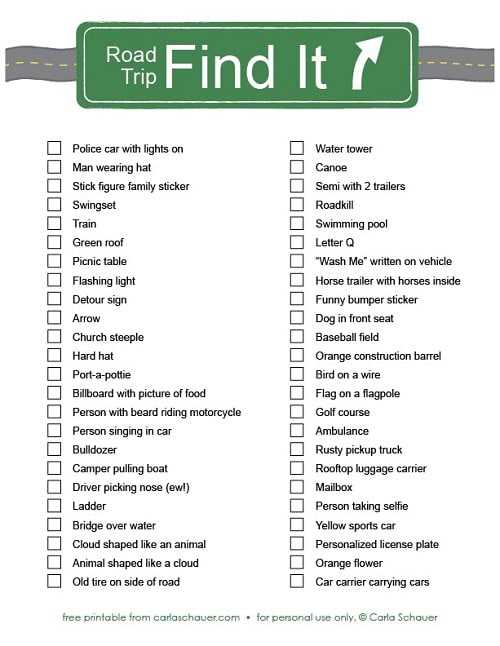
For a more interactive experience, include challenges like spotting a specific type of weather or a certain number of vehicles of the same color. This variation adds complexity to the task and ensures that participants remain attentive throughout the ride. You can even add a bonus round with items like “spot a rainbow” or “find a cloud shaped like an animal.”
Once the list is ready, print it out for each participant. Make sure the instructions are clear and easy to follow, especially for younger children. If necessary, use large images next to each item for visual cues. Tailor the list based on your route to reflect the specific sights you’re most likely to encounter. This customized approach makes the activity feel more personal and keeps everyone excited about what’s next on the list.
How to Create Your Own Printable Car Scavenger Hunt List
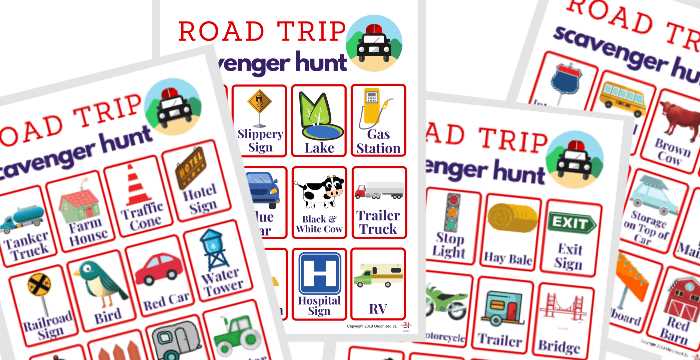
Begin by deciding on the items that will be featured in your activity list. Choose a mix of easily spotted objects like road signs, animals, and specific vehicle models, along with harder-to-find ones to add excitement. For example, include common vehicles like trucks, but also rare ones like a fire truck or a convertible. This combination of simple and challenging targets will keep participants engaged for longer periods. You can also customize the list based on the route you’ll be traveling, incorporating local landmarks or natural features unique to your area.
Once the items are chosen, organize them logically and assign point values for each one. For younger participants, consider using visuals–images of the objects next to their names to help them identify the targets more easily. If you want to keep things competitive, include bonus rounds for special finds like a specific animal or a car with a specific color. After finalizing the list, print it out and make sure the layout is clear and easy to read for all participants.