Choose scalable heart-shaped templates in three sizes–3 cm, 7 cm, and 12 cm–to cover gift tags, greeting cards, and wall decor without resizing errors. Save files in PDF format at 300 DPI to keep edges sharp and avoid pixelation during home printing.
Use 160–200 gsm cardstock for sturdy cutouts that hold their shape on garlands and table settings. For layered designs, combine red, blush, and white sheets; align edges with a metal ruler and craft knife to achieve clean contours without frayed paper fibers.
Set your printer to “actual size” and disable automatic scaling. Select matte finish settings to prevent ink smudges, especially on saturated crimson shapes. Allow at least 60 seconds of drying time before cutting to avoid fingerprints on darker tones.
For classroom use, prepare sets of 20–30 identical shapes and pre-punch holes 1 cm from the top edge to speed up stringing activities. For home crafts, add fold lines down the center to create dimensional accents for cards and gift wrapping.
Printable Hearts for Valentines Day
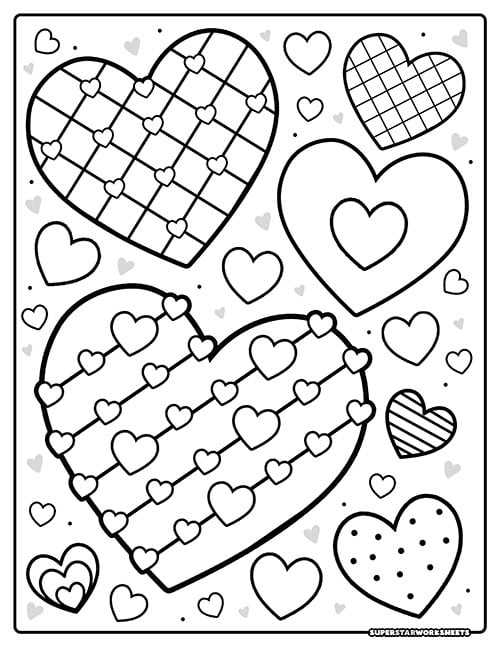
Select high-resolution love-shaped templates saved at 300 DPI to avoid jagged edges after printing. Use PDF files with fixed margins set to 0.5 inches to prevent clipping on standard US Letter or A4 paper.
Pick paper weight based on purpose. Thin 90–120 gsm sheets suit card inserts and envelope decor, while 180–220 gsm cardstock holds its form in hanging garlands or table centerpieces. For double-sided designs, align pages manually and run a single test copy before producing large batches.
Adjust printer settings precisely:
- Disable “fit to page” scaling
- Choose matte or presentation paper mode
- Set color intensity to 90–95% to reduce ink bleeding
- Allow at least one minute of drying time before handling
Cut shapes using sharp detail scissors or a precision knife with a metal ruler. Replace blades after 15–20 sheets to maintain clean curves. For layered crafts, apply thin double-sided adhesive strips placed 3–5 mm from the edge to prevent glue marks.
Create dimensional decor by folding each symbol along a vertical centerline and bonding two halves together, forming a raised ornament suitable for banners or window displays. Punch holes 1 cm from the top edge and thread with satin ribbon measuring 3–5 mm in width.
Organize finished pieces in labeled envelopes sorted by size–small (under 5 cm), medium (6–10 cm), large (11–18 cm)–to streamline future craft sessions and reduce reprinting.

How to Choose the Right Heart Template Size for Cards Banners and Gift Tags
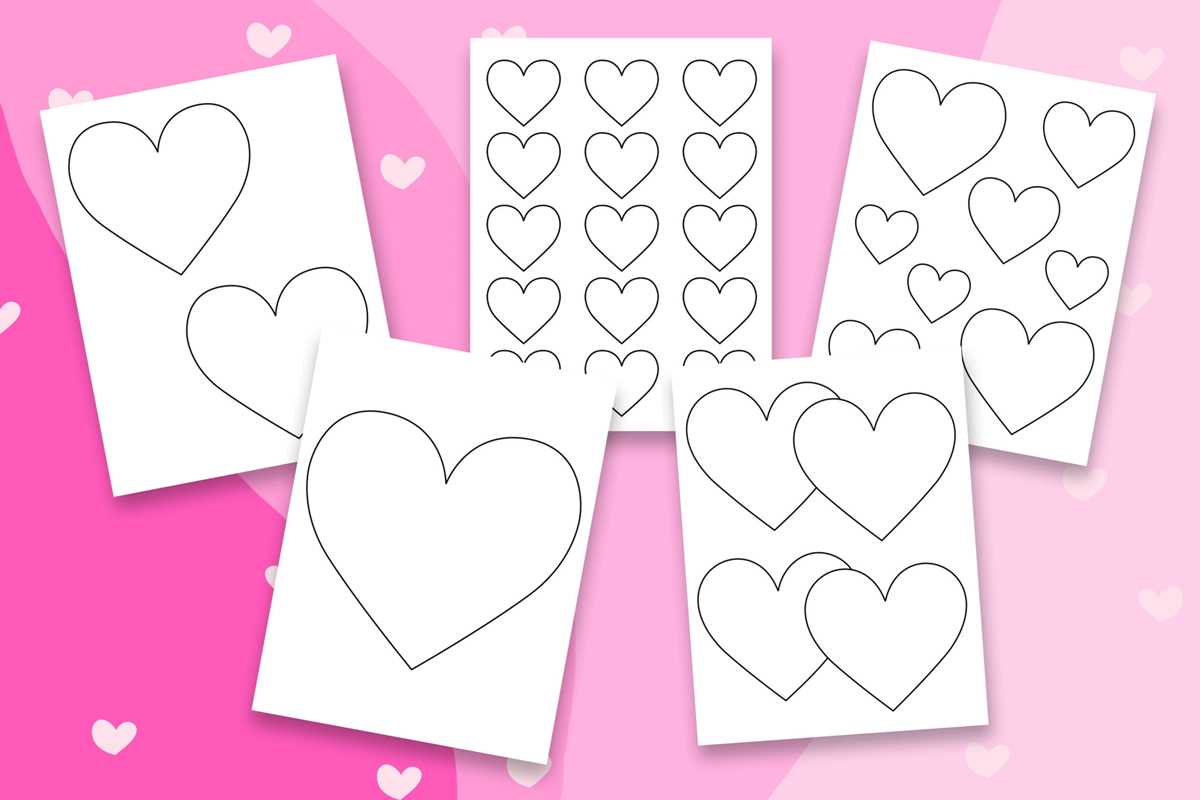
Select a 5–7 cm wide love-shaped outline for standard folded greeting cards sized 10×15 cm; this proportion leaves at least 1.5 cm margin on each side and prevents crowding text or embellishments.
For small gift labels attached to treat bags or wrapped boxes, keep the motif between 3–4 cm in height. This scale fits comfortably on tags measuring 5×8 cm and allows space for a short handwritten note without overlapping the edges.
Banners require larger formats. Choose cutouts ranging from 12–18 cm across when spacing them 5–8 cm apart on ribbon. This ratio ensures visibility from 2–3 meters away while keeping the garland balanced rather than visually heavy.
Measure the surface before selecting a file size. A rule that works well: the shape should occupy no more than 60% of the total area of the base element, whether it is a card front, tag, or decorative panel.
For layered designs, reduce the top layer by 0.5–1 cm compared to the base silhouette. This difference creates a visible border and prevents misalignment from showing once glued.
If printing multiple sizes on one sheet, arrange outlines in grouped rows–small at the top, medium in the center, large at the bottom–to simplify cutting and sorting after trimming.
Test one sample at actual scale before producing batches. Place it on the intended surface and check margins, readability, and balance under normal room lighting to confirm proportions match the intended display distance.