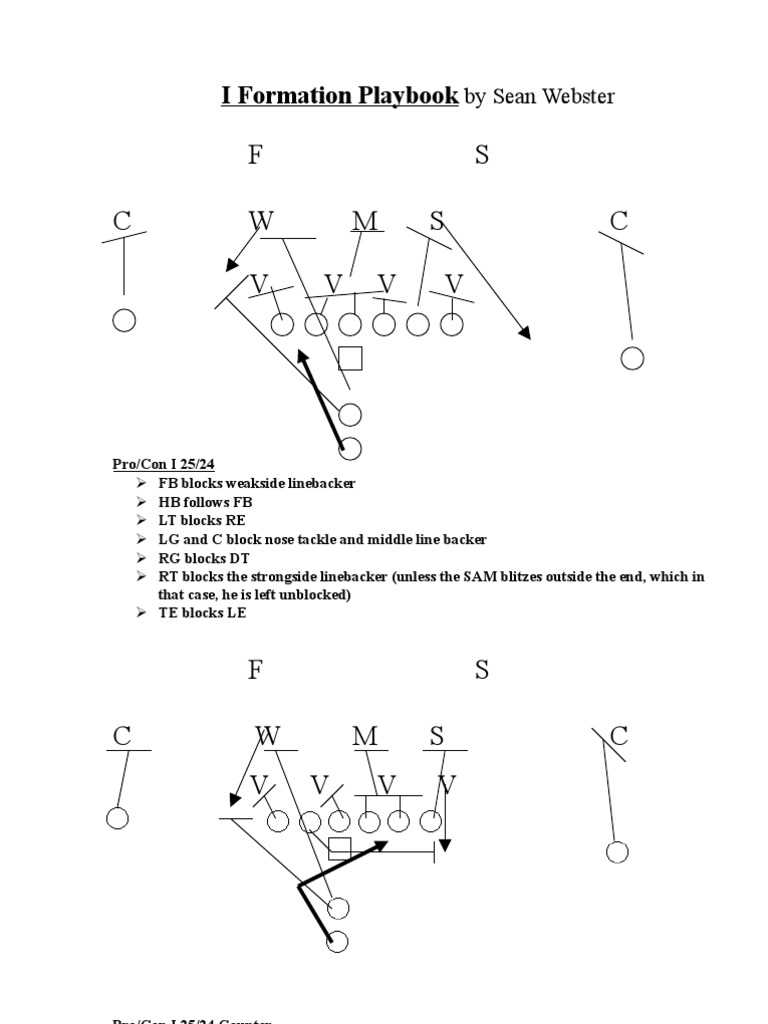
For anyone looking to effectively organize offensive strategies, creating a customized play diagram is a smart move. Start by choosing a simple layout that clearly depicts each player’s position and movement. Avoid clutter, and focus on showing only the necessary elements for quick understanding.
Make sure to include clear notations for each play. For example, label routes, blocks, and any special instructions like motions or shifts. This helps players visualize and quickly recall their responsibilities during practice or a game.
Additionally, make sure your design is adaptable. Whether you are printing it out for team use or digitizing it for remote access, flexibility is key. Use software or templates that allow for easy modifications, ensuring the plays can be updated as needed.
Finally, consider keeping it simple yet detailed enough for players to grasp the concepts at a glance. The goal is to make learning quick and efficient while still maintaining strategic depth. This approach will help both coaches and players get the most out of every session and game.
How to Create a Strategic Playbook for the I Formation
Start by laying out the key components of the system. The backfield consists of a fullback and a tailback lined up behind the quarterback. For a balanced offensive approach, draw the offensive line with a tight end on one side. Clearly mark all positions and player responsibilities for easy recognition.
When designing each play, focus on simplicity but precision. For running plays, emphasize the direction of the handoff, the line’s blocking scheme, and the back’s route. For passing plays, show how the routes develop with arrows and note the quarterback’s role in executing the play.
Keep the diagrams clean, especially when illustrating formations and motion. For example, use simple lines to indicate player movement and avoid overcrowding the page. A good rule of thumb is to use the fewest symbols necessary to convey the strategy clearly.
Label each play with a unique name, giving a brief description beneath it. This helps players quickly identify which play is being executed, especially in high-pressure situations. A numbering system for quick reference is also a good option.
Include blocking assignments for the offensive line and tight end. Visualizing their tasks–whether they’re zone-blocking or executing specific assignments–is critical for understanding how the play will unfold and how the defense might react.
Make sure each play design is adaptable to different defensive formations. Show how the play adjusts against blitzes or stunts, providing alternative routes or blocking schemes. This gives coaches flexibility when preparing the team for various game scenarios.
Once your plays are designed, consider printing out multiple versions–one for general use and others for specific drills. This helps players review key plays during practices, especially when learning multiple offensive strategies.
Finally, ensure your playbook is easily accessible for players. Whether you distribute it in print or make it available on a digital device, your goal is for each player to have a clear understanding of their role within each play. A well-designed, user-friendly play diagram can make the difference during game time.
How to Design Custom Plays in the I Formation
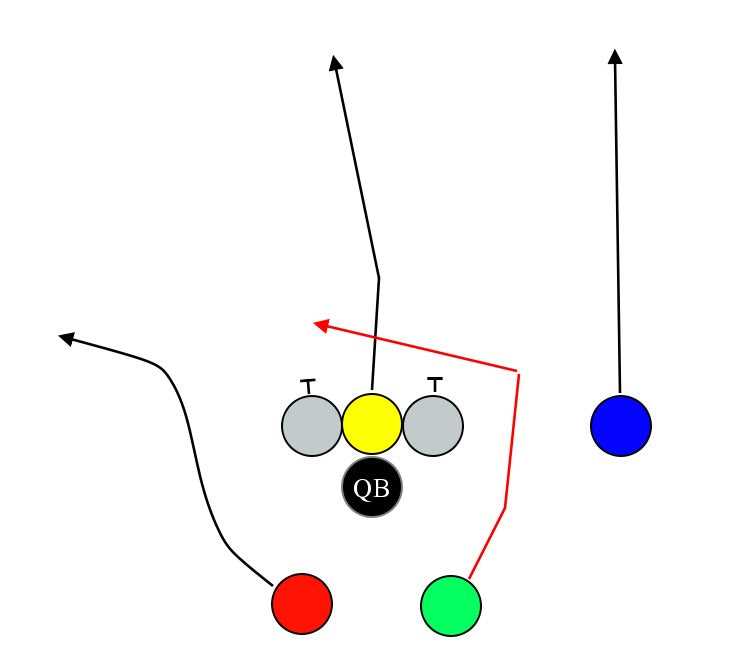
Start by identifying the specific roles for each player. The quarterback should have clear options for handing off to the fullback or tailback, while the offensive line needs well-defined blocking schemes. For running plays, you can design sweeps, dives, or traps based on the alignment of the offensive line and the defensive front. Make sure the fullback’s path is clearly drawn to allow for an effective lead block, or an option to cut back if necessary.
For passing plays, use quick slants, play-action fakes, or deep routes to take advantage of the defense’s coverage. Map out the routes for the wide receivers, ensuring that the quarterback’s dropback timing aligns with the offensive line’s blocking patterns. Incorporate play-action to create openings for deeper passes, and make sure the timing between the quarterback and receivers is synchronized for successful execution. Custom plays should always allow for flexibility, so include options for adjustments based on the defense’s response.