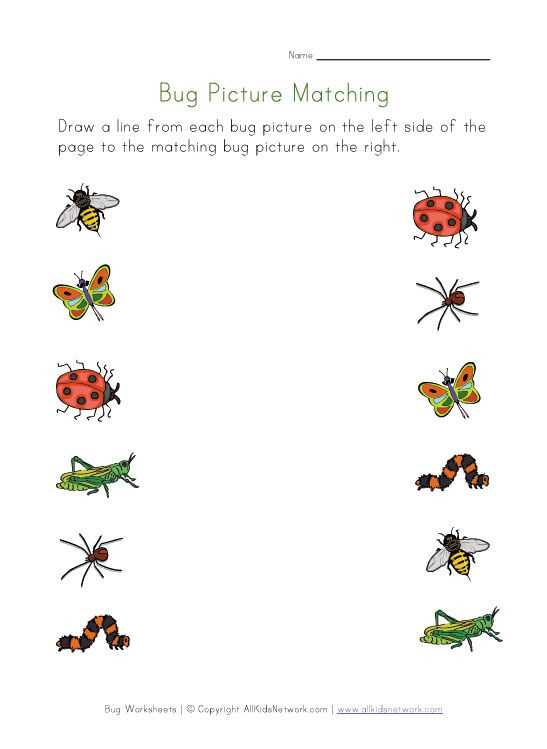
Start by selecting fun designs of six-legged creatures and their habitats to color, cut, and assemble. These templates are perfect for improving fine motor skills while learning about nature. By introducing various species, you can teach kids about diversity and the role insects play in the ecosystem.
Encourage children to match different creatures with their environments using easy-to-cut templates. This hands-on task not only boosts recognition skills but also introduces them to the concepts of habitats and symbiosis. You can make it even more educational by discussing what each bug eats, where it lives, and its role in nature.
Once they’ve created their creatures, set up a scavenger hunt or sorting game where children categorize the different bugs based on size, color, or habitat. These simple games improve cognitive development and allow children to apply what they’ve learned through play, all while strengthening their ability to recognize patterns.
Engaging Learning Ideas with Bug-Themed Designs
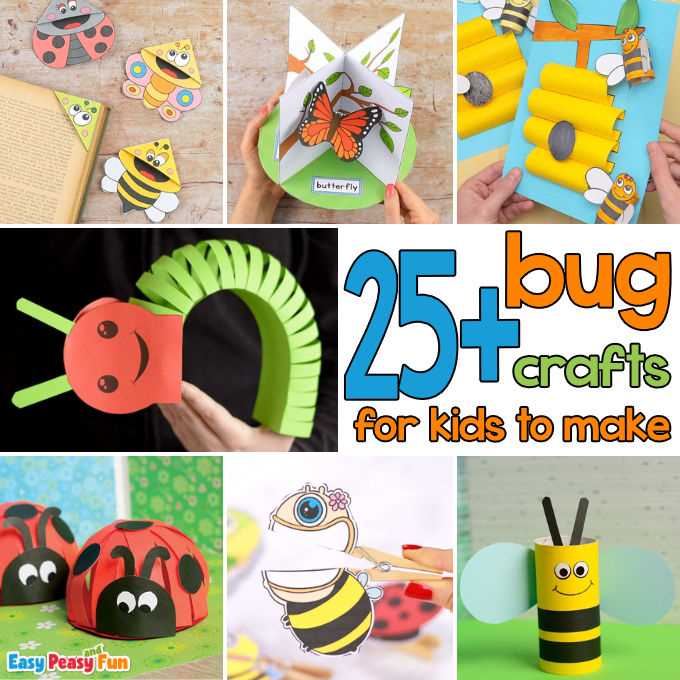
Start by offering children simple coloring sheets featuring different small creatures. These designs provide an excellent opportunity to teach about the creatures’ features, such as antennae, wings, and legs. As children color, guide them through the process of identifying and naming each part.
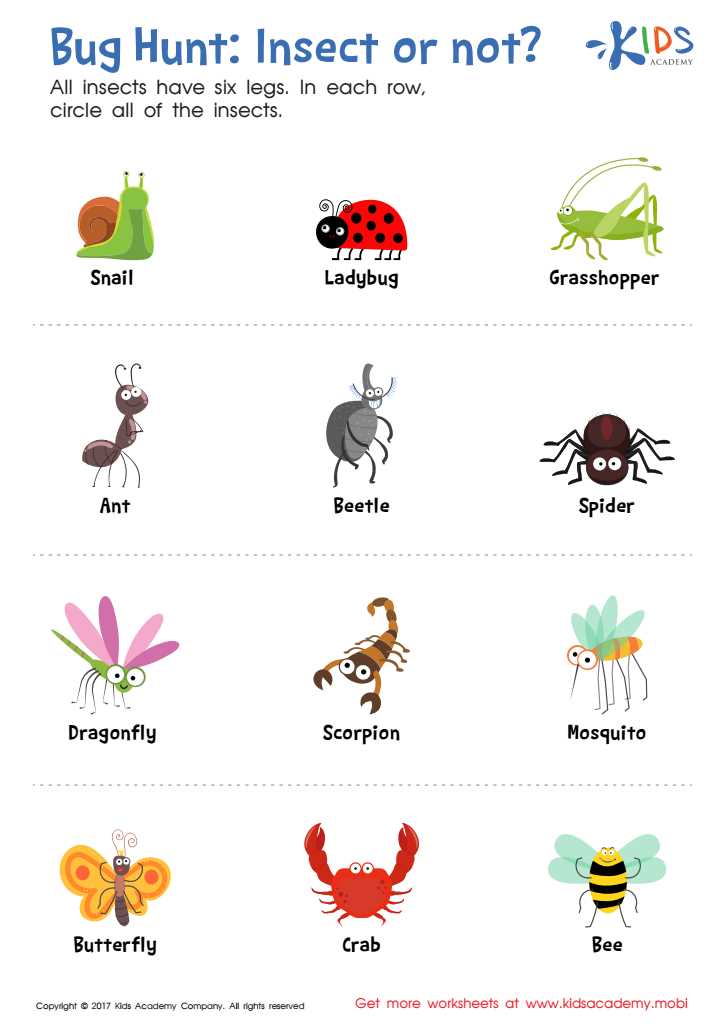
For a more interactive experience, use cut-out models that kids can assemble. These hands-on projects encourage the development of fine motor skills and spatial reasoning. As they fit the pieces together, ask questions about how the parts connect and why certain shapes fit together in particular ways.
Introduce sorting games where children categorize different critters based on color, size, or body parts. Use cards with images of various creatures, and have children sort them by these features. This activity builds classification skills and helps with early cognitive development.
Include activities like tracing the outlines of different creatures. These tracing exercises improve hand-eye coordination and introduce the concept of symmetry, as many insects have symmetric bodies. Provide different levels of difficulty, so kids can practice tracing and then move on to drawing their own bug shapes.
Interactive word games can also be integrated. For example, introduce a list of bug-related terms such as wings, antennae, and thorax, and have children match words to images. This enhances vocabulary and strengthens their understanding of the world around them.
Introduce a simple “create-your-own bug” activity. Provide shapes that children can combine and customize to form their own critters. Encourage creativity by allowing them to name their creations and describe their habitats. This is a fun way to combine learning with imaginative play.
Once the creatures are created, have a “bug parade” where each child showcases their work. This not only reinforces the lesson but also encourages public speaking and self-expression. Children can talk about what they’ve made and explain what makes their critter special.
For a more in-depth exploration, have children learn about the environment each bug might live in. Use visual aids like habitats and backgrounds to create a simple diorama for the bugs. This allows for discussions about ecosystems and the role of these creatures in nature, giving children a more holistic understanding of the natural world.
Creating Fun Critter Crafts with Templates
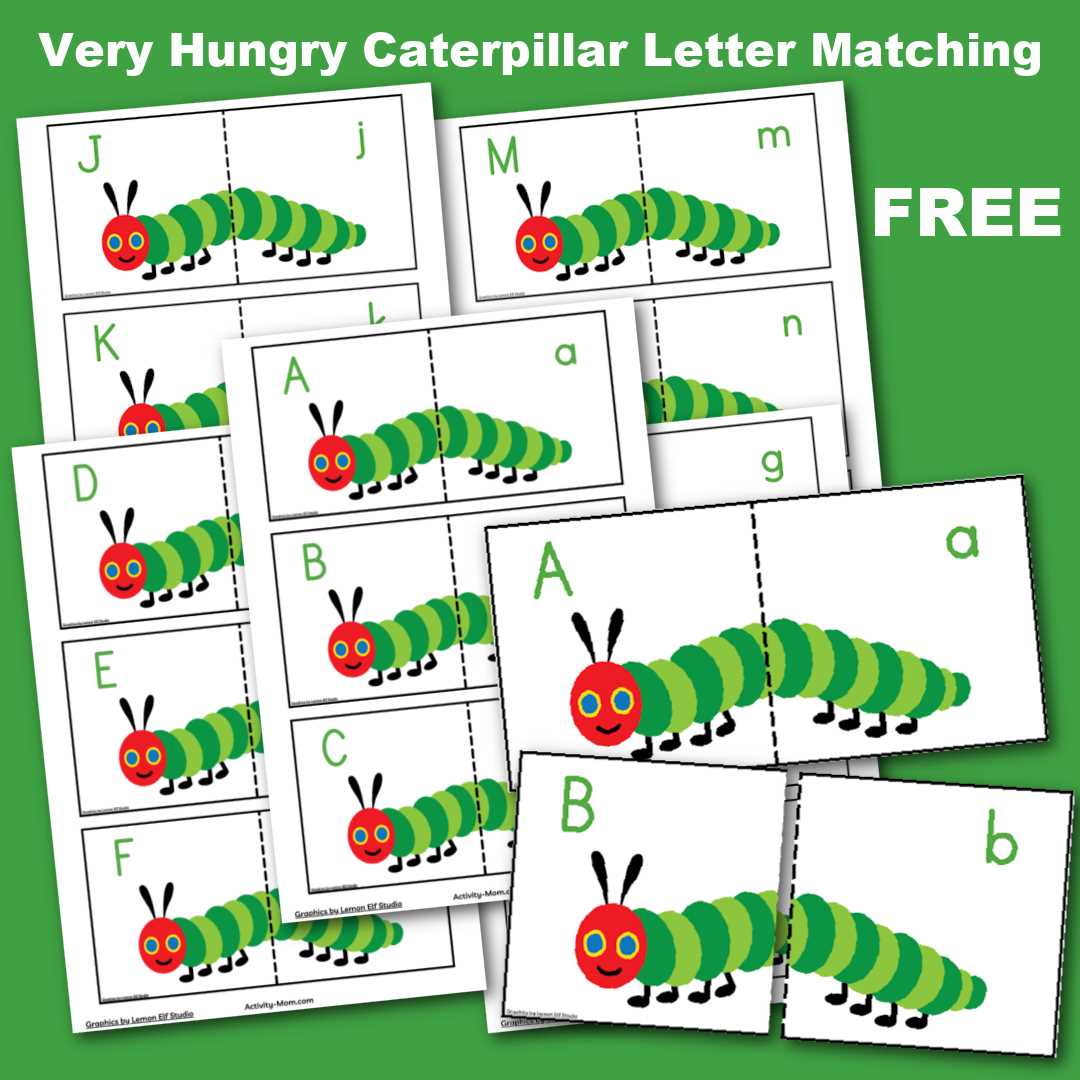
Start by offering simple templates featuring creatures with large, easy-to-cut parts. Choose bright colors and bold lines to help young children navigate the cutting process with ease. These designs can be transformed into paper crafts, giving kids a sense of accomplishment when they complete the project.
For a more engaging craft, allow children to decorate their creatures with markers, stickers, and other materials. Provide a variety of materials like googly eyes, colored paper, and pipe cleaners to enhance creativity. This will encourage fine motor skills while giving them the chance to personalize their designs.
Introduce layering techniques by providing cut-out shapes that can be stacked or glued on top of each other. For example, a round body can be glued onto a larger shape to form a fun critter with different textures. This activity helps children understand spatial relationships and introduces them to the concept of dimension in art.
To add an educational element, discuss the role of different body parts as children assemble their crafts. Ask questions like, “What do you think these wings are for?” or “How do you think this critter moves?” This enhances their knowledge of nature while keeping them engaged in the creative process.
Use shapes like circles, triangles, and ovals to create simple creatures. These basic geometric shapes are perfect for introducing young learners to early geometry concepts. As they assemble the parts, talk about the shapes and discuss how they fit together to form something new.
Once the critters are crafted, encourage children to create a habitat for their creatures. Provide a simple background scene or have them draw a setting for their new creations. This adds a storytelling element to the craft and encourages children to think about the creatures’ environment and behaviors.
Finally, organize a display area where children can showcase their critters. This encourages pride in their work and gives them the opportunity to practice their communication skills as they explain their designs. You can make it even more interactive by having children share interesting facts or stories about their crafted creatures.