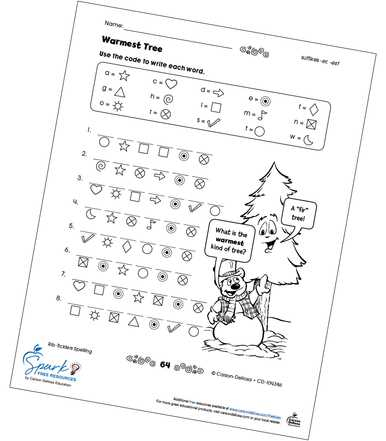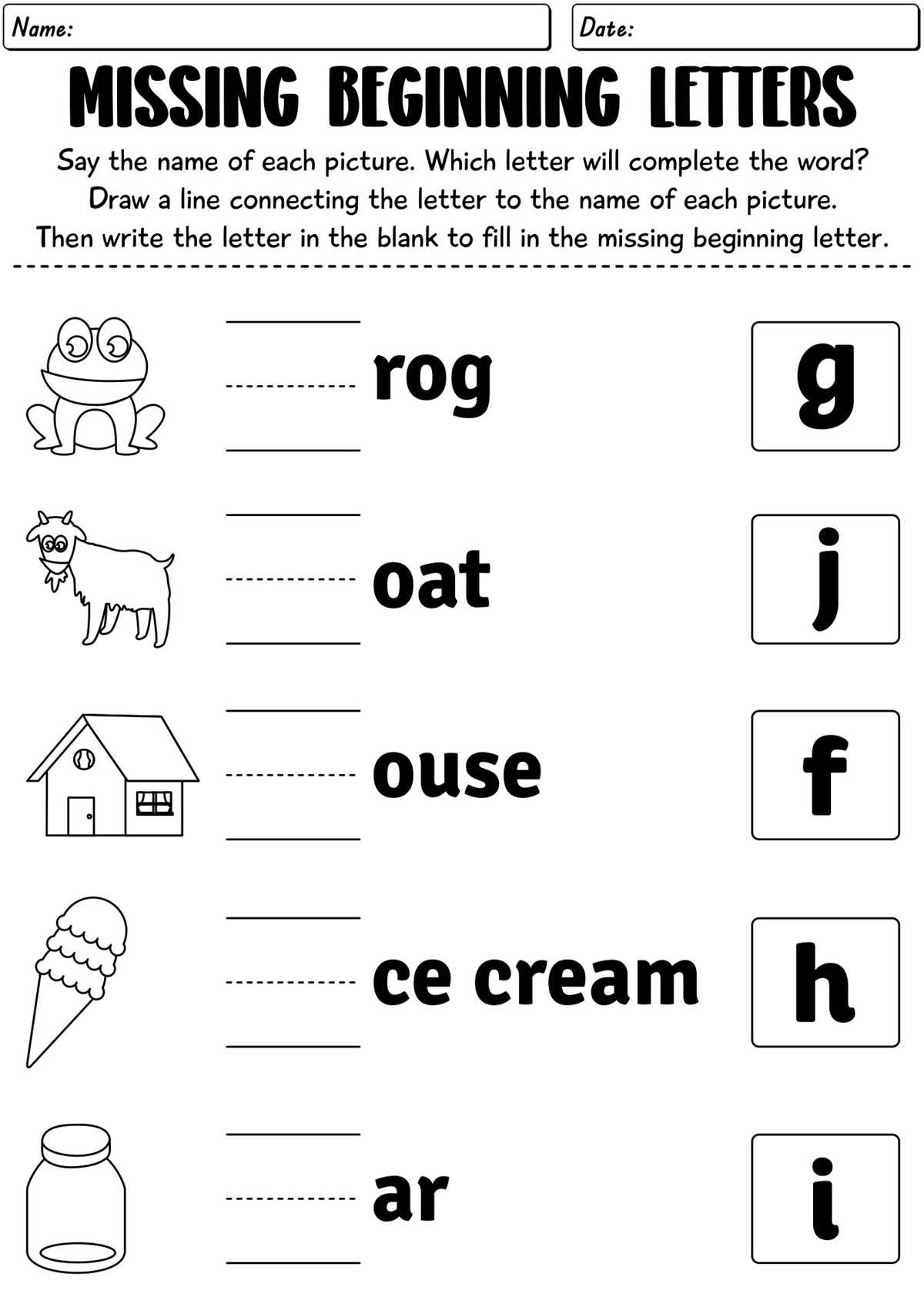
Design worksheets that align with your student’s current level of reading comprehension. Start with short passages and follow them with targeted questions that assess their understanding. Create fill-in-the-blank exercises to test vocabulary retention and have students rephrase sentences to ensure they grasp the meaning. These simple yet effective tasks can be adapted to suit different age groups and reading levels.
For enhancing writing skills, offer prompts that encourage creative thinking. Use scenarios or images to spark ideas and ask students to compose short stories, describing characters, settings, and plot events in detail. Provide structured templates where they can organize their thoughts before writing. By focusing on sentence structure and clarity, these exercises help students improve their writing style while maintaining focus on grammar.
Grammar drills can be engaging if you incorporate games and challenges. Create matching exercises where students pair parts of speech, or ask them to identify errors in short sentences. You can also design quizzes to review punctuation, subject-verb agreement, or sentence fragments. By using visual aids or even online quizzes, these grammar-focused tasks will motivate students to strengthen their language skills in a more interactive way.
Engaging Exercises for Enhancing Reading and Writing Skills
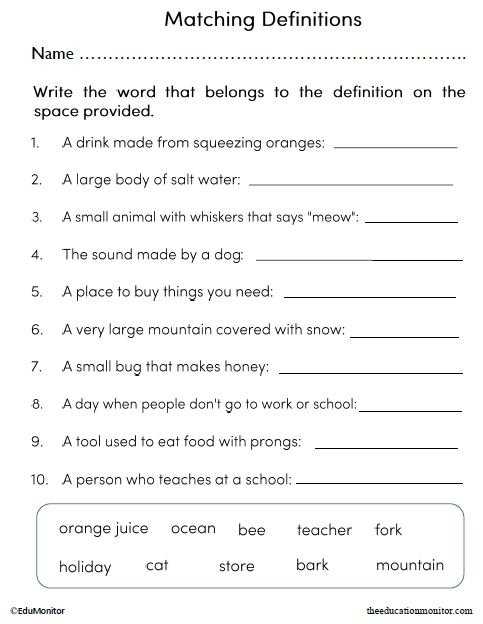
Develop activities that combine reading comprehension with creative expression. For example, create short story prompts that require students to summarize the plot in their own words, encouraging both understanding and imagination. To reinforce these skills, offer vocabulary exercises where they match words to their definitions or use them in sentences. This approach not only strengthens comprehension but also improves their ability to articulate ideas clearly.
Incorporate interactive tasks that build grammar and syntax knowledge. One effective exercise is to provide students with scrambled sentences and have them reorder them correctly. Another useful activity is sentence expansion, where students start with a basic sentence and add adjectives, adverbs, and phrases to make it more detailed. These exercises challenge students to apply grammatical rules while improving their overall writing coherence and fluency.
How to Create Customized Worksheets for Reading Comprehension
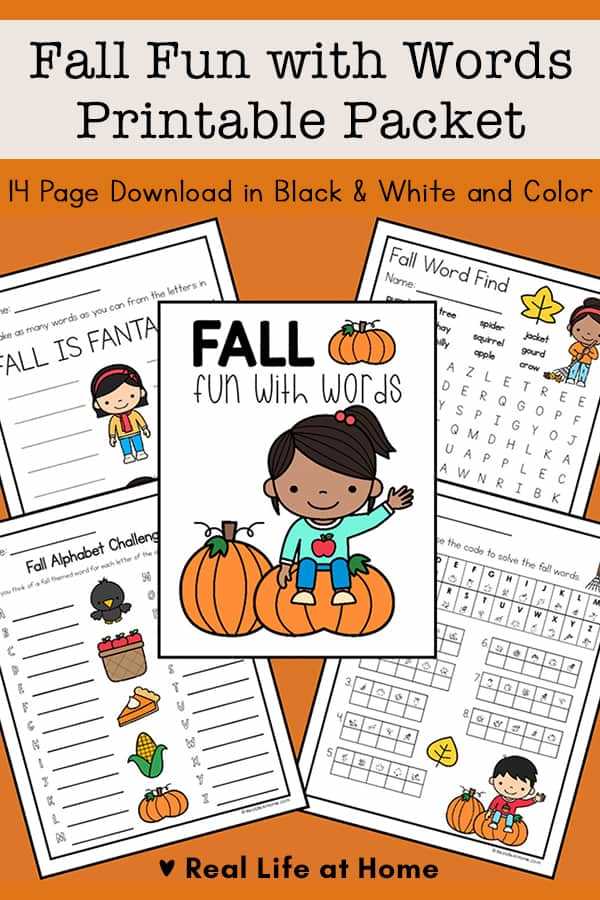
Begin by selecting a passage appropriate for the student’s reading level. Focus on passages that have clear structure, varied sentence types, and enough depth to encourage thoughtful responses. Choose texts that match the student’s interests, as this will increase engagement and motivation to read. Incorporate both narrative and informational texts to provide a well-rounded approach.
Next, create questions that target different levels of understanding. Start with factual questions to test basic comprehension. These should address the main idea, key details, and events. Then, include higher-order questions that challenge the student to think critically. For instance, ask them to infer meaning from context, analyze characters’ motivations, or discuss the author’s purpose.
Incorporate vocabulary-building exercises to strengthen language skills. Highlight new words in the passage and provide context clues for students to figure out meanings. Include exercises where students match words with their definitions or use the words in sentences. This not only reinforces vocabulary but also helps students build connections between words and their usage.
Use a variety of question formats to keep the worksheet dynamic. For example, include multiple-choice questions for quick assessments, true/false questions to check understanding, and short-answer questions for deeper reflection. You can also integrate matching exercises where students pair quotes or facts with the correct characters or themes from the text.
Provide space for students to summarize the passage in their own words. This allows them to consolidate what they’ve read and check their understanding. Ask them to write a brief paragraph that captures the essence of the text, encouraging them to focus on key ideas and avoid unnecessary details. This reinforces retention and comprehension.
In addition to comprehension questions, consider adding reflection prompts. Ask students to connect the material to their personal experiences, other texts they have read, or real-world situations. These questions help them develop a deeper understanding and form connections between the text and their own lives.
Lastly, include a review section at the end of the worksheet that asks students to revisit the key themes or concepts from the text. This can be a short recap or a few discussion questions that allow them to review and apply what they’ve learned. This reinforces the material and helps to reinforce long-term retention of the content.