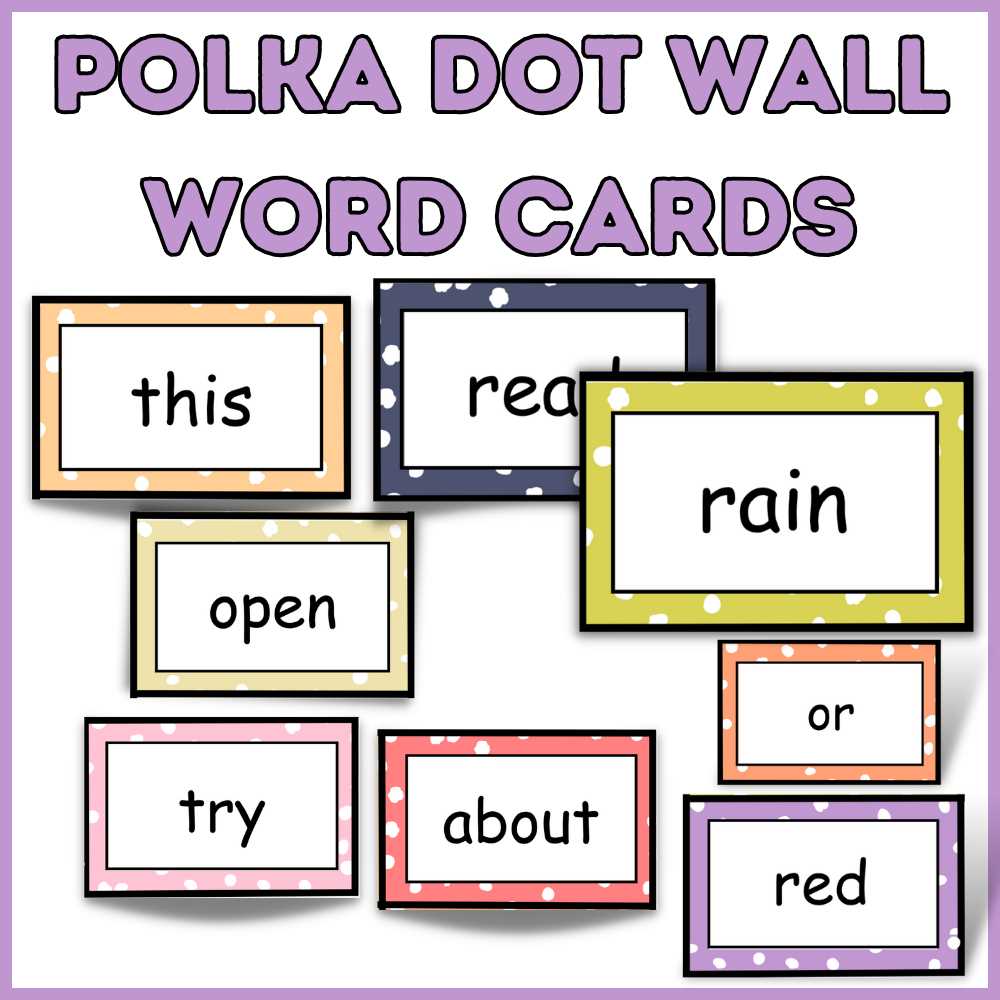
Start by selecting a set of vocabulary that aligns with your students’ current learning level. Focus on common terms that will help them build reading and writing fluency. Organize these terms in a way that makes them easy to reference and review regularly.
Choose high-quality materials that are durable and easy to handle. Opt for designs that are visually engaging to keep students interested. Use large, legible fonts and bold colors to help the terms stand out. You can also experiment with different themes to keep the learning process fresh and enjoyable.
For the best results, ensure that your students interact with the vocabulary frequently. Encourage them to use the terms in sentences, ask questions, and engage in activities that incorporate these key terms. Repetition and active use will help them retain the words more effectively.
How to Create Effective Vocabulary Displays for the Classroom
To make vocabulary displays more useful, choose clear, legible fonts that are easy for students to read. Use contrasting colors for the text and background to enhance visibility. Laminating each card ensures durability, allowing for long-term use without wear. When selecting terms, include both high-frequency vocabulary and subject-specific terms that will help students engage with the material.
Place these cards at eye level in the classroom for easy access and reference. Organize them alphabetically or group related terms together to create thematic clusters. Incorporating visuals or simple illustrations can also help reinforce meaning and make the terms more memorable for students, especially for younger learners or English language learners.
How to Select the Right Words for Your Classroom Display
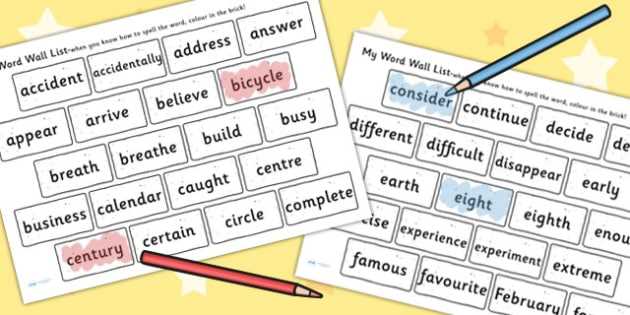
Choose terms that align with your current curriculum and focus on vocabulary that students encounter frequently. For younger learners, start with simple, high-frequency terms that are foundational to reading and writing. For advanced students, include subject-specific vocabulary to deepen their understanding of various topics. Avoid overwhelming them with too many words at once–select a manageable number that can be reviewed regularly.
To create a balanced display, ensure that the selected terms represent a mix of parts of speech, such as nouns, verbs, adjectives, and prepositions. This approach helps students build a broader vocabulary and supports different types of language skills. Additionally, consider including synonyms and antonyms to encourage richer language development.