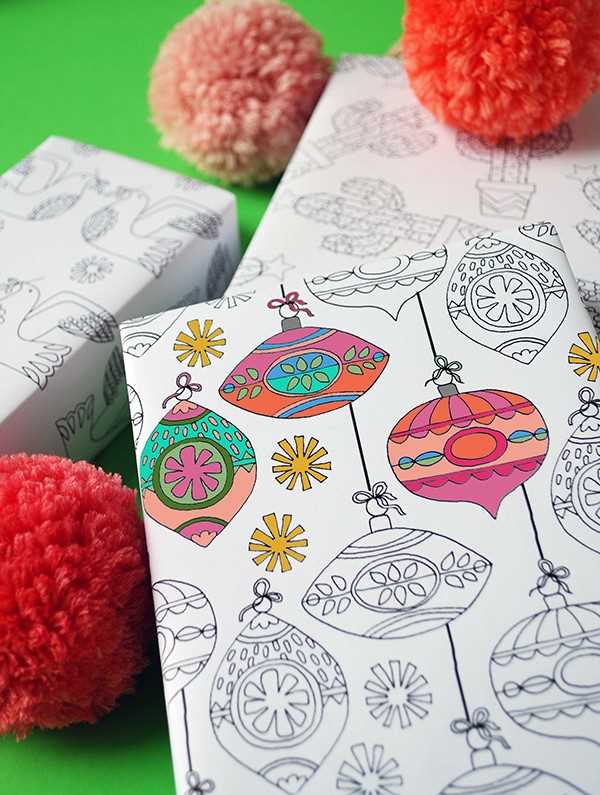
Choose high-resolution templates to ensure your designs print clearly, avoiding pixelation. Select patterns that match the occasion, whether it’s a festive, elegant, or minimalist theme. For a more personal touch, incorporate names, initials, or special messages into the design. You can even customize the colors to match the recipient’s preferences or the event’s color scheme.
When printing at home, make sure to use quality materials such as heavyweight sheets that prevent tearing. Adjust your printer settings for the best color accuracy and to ensure that ink doesn’t bleed. After printing, carefully cut along the edges, making sure your cuts are straight for a neat finish. To add a polished look, try using a coordinating ribbon or a simple embellishment to complete the presentation.
Custom Wrapping Paper Designs for Every Occasion
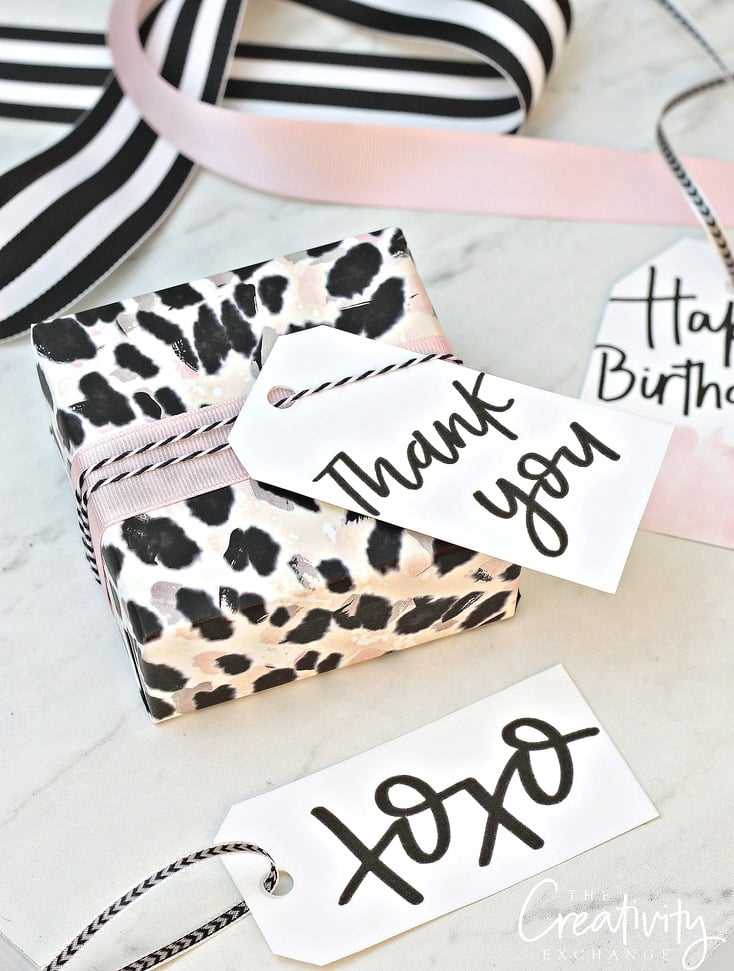
Start by selecting high-resolution designs to ensure crisp and clear prints. For holidays or birthdays, go for vibrant patterns, while for formal events, choose subtle designs with a refined look. Consider incorporating themes that match the celebration, such as floral patterns for weddings or winter motifs for Christmas.
If you want to make the wrapping feel more personal, add custom messages, initials, or a small graphic. Many online resources allow you to easily integrate these features into pre-designed templates. Tailoring your design to the recipient’s interests or the event’s theme adds a thoughtful touch.
For durability, choose thicker materials that can withstand handling without tearing. Lightweight sheets may be easier to fold but are more prone to damage, especially when wrapping large items. Opt for mid-weight or heavyweight options for a polished finish.
When printing, ensure your printer settings match the type of material you’re using. For glossy designs, increase the color saturation for vibrant prints. For matte finishes, reduce the saturation to avoid overly dark prints. Always print a test sheet before working on the final design.
Cut along the edges precisely, as uneven cuts can disrupt the neatness of the presentation. Consider using a paper cutter for straight lines or specialty scissors to add decorative edges. This small detail can make a significant difference in the final look.
Finally, for added flair, coordinate the wrapping with complementary accessories like ribbons or tags. A simple string or a hand-written label can enhance the presentation, giving it a more handmade, thoughtful feel.
How to Choose the Right Design for Your Wrapping Paper
Consider the occasion first when selecting a design. For casual events, playful and colorful patterns, such as polka dots or stripes, work well. For more formal celebrations, opt for elegant, understated designs like solid colors or simple geometric patterns. Tailor your choice to the tone of the event to make the wrapping feel more aligned with the gift’s purpose.
Next, take into account the size and shape of the item you are wrapping. Larger items benefit from bold, repeating patterns, which create a sense of cohesion. Smaller gifts look great with intricate designs that are visually engaging but not overwhelming. This balance will make the presentation both attractive and functional.
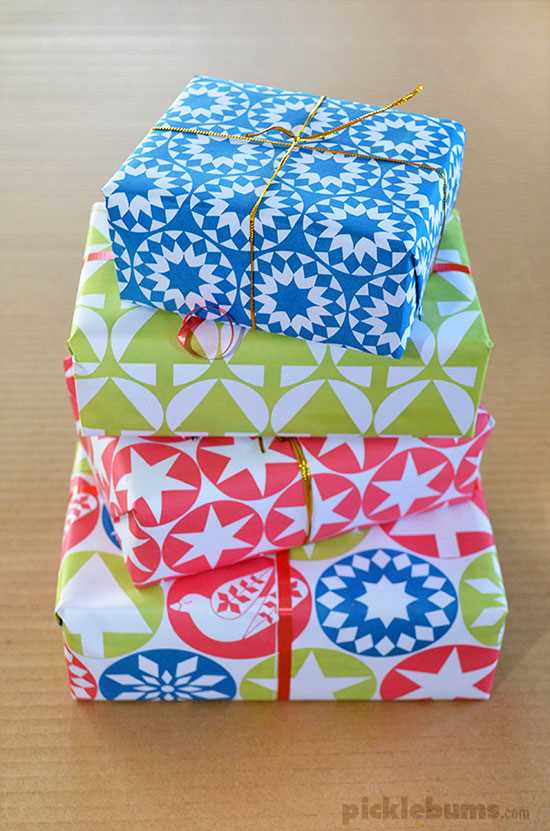
Think about the recipient’s tastes. A personalized design will feel more thoughtful. For instance, if the person enjoys nature, opt for floral prints or nature-inspired designs. For a minimalist, monochromatic or minimalist geometric patterns might be ideal. Matching the wrapping with the recipient’s preferences adds a personal touch that shows extra care.
The material type you choose should also guide your design selection. Glossy sheets tend to make bright colors pop, making them ideal for vibrant designs. On the other hand, matte textures can give a more sophisticated, subtle appearance, making them a better fit for more restrained patterns or elegant graphics.
Additionally, pay attention to the color scheme. Neutral tones work best for a sophisticated look, while bright or contrasting colors bring an energetic feel to the wrapping. Think about how the colors reflect the mood of the event. Avoid using too many conflicting colors that might overwhelm the design or clash with the gift’s appearance.
Lastly, consider how the design aligns with the accessories you’ll use. If you’re planning to use ribbons, bows, or tags, make sure the wrapping complements those elements. Simple designs can be enhanced with decorative accents, while more complex patterns may need minimal adornment to keep the focus on the print.