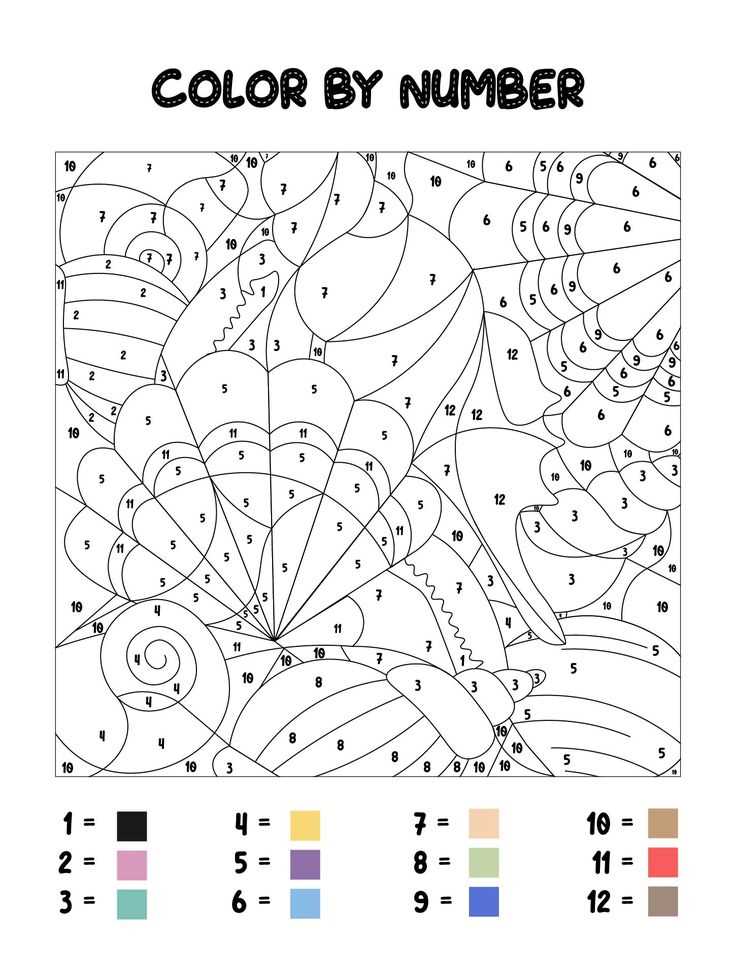
Focus on designs with intricate details and fine elements that require patience and precision. These projects will not only keep you engaged but also improve your focus and artistic skills. When choosing your next project, look for illustrations with complex patterns and smaller sections, as these provide a true test of your abilities.
One key recommendation is to start with darker shades and gradually work your way to lighter tones. This approach helps maintain clarity in your work, especially when dealing with designs that have minimal space between sections. Another effective technique is to use high-quality tools, such as fine-tip markers or pencils, to achieve precise lines and avoid smudging.
Take your time with each section. Rushing through the more detailed areas can result in uneven coloring and a less polished final result. It’s better to complete small portions with care than to work on everything hastily and risk damaging the intricate design. Remember, practice makes perfect – the more you engage with these challenging projects, the easier they will become.
How to Choose the Best Challenging Artwork Designs
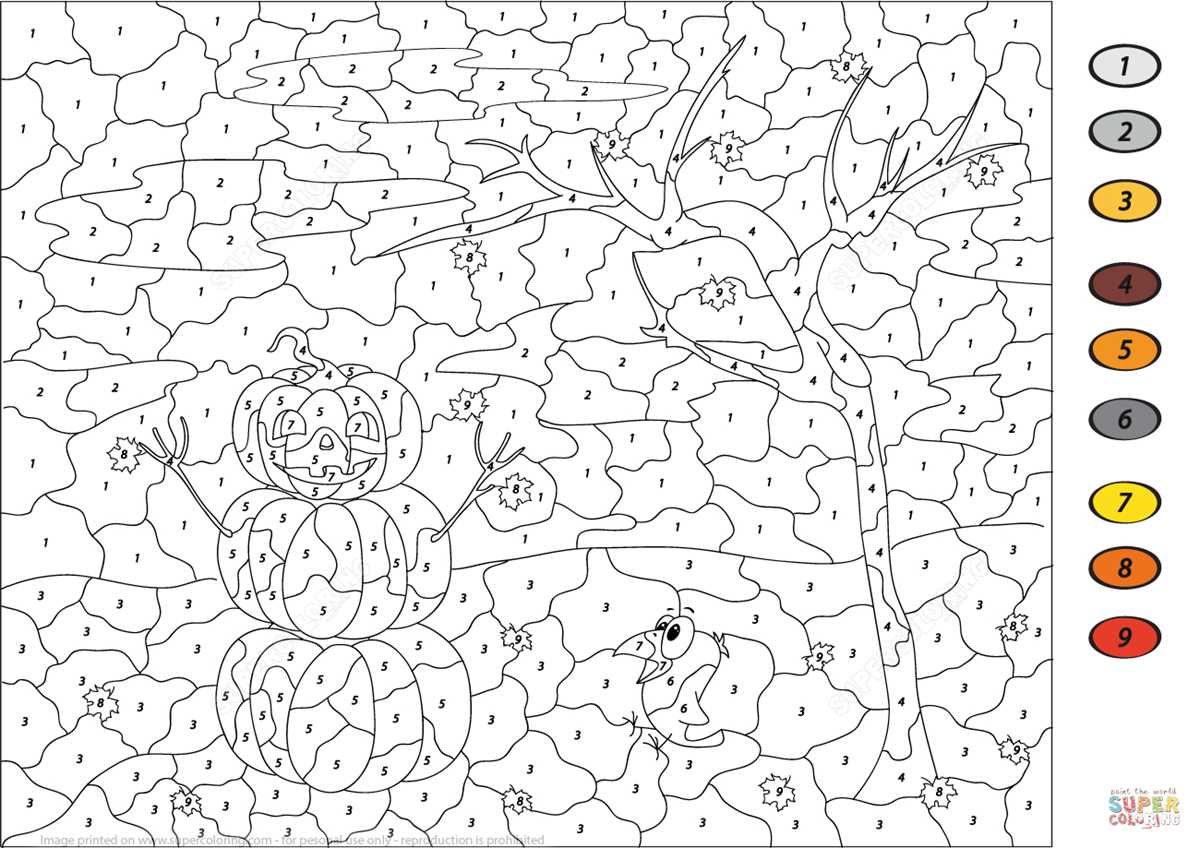
Opt for intricate designs with fine details. These patterns require attention and patience, which makes them ideal for those looking for a true challenge. Pay attention to the complexity of the sections; a design with small, intricate spaces will be more demanding than one with large, open areas.
Ensure the illustration has a balanced mix of dark and light sections. Designs with a wide range of tonal contrast will keep you engaged longer and provide a greater sense of accomplishment once completed. Avoid simple, repetitive designs–look for ones with varied shapes and intricate line work.
Check the quality of the layout. A well-structured design will have clearly defined regions and appropriate proportions. If the image feels overcrowded or unclear, it may not provide the intended experience. A good layout allows for a natural flow, making it easier to stay focused on the task without frustration.
Consider the theme of the design. While more challenging patterns often include nature scenes, animals, or abstract compositions, it’s important to pick something that will maintain your interest over time. A visually engaging theme will make even the most complex pieces enjoyable to complete.
Tips for Completing Challenging Artwork Pages Efficiently
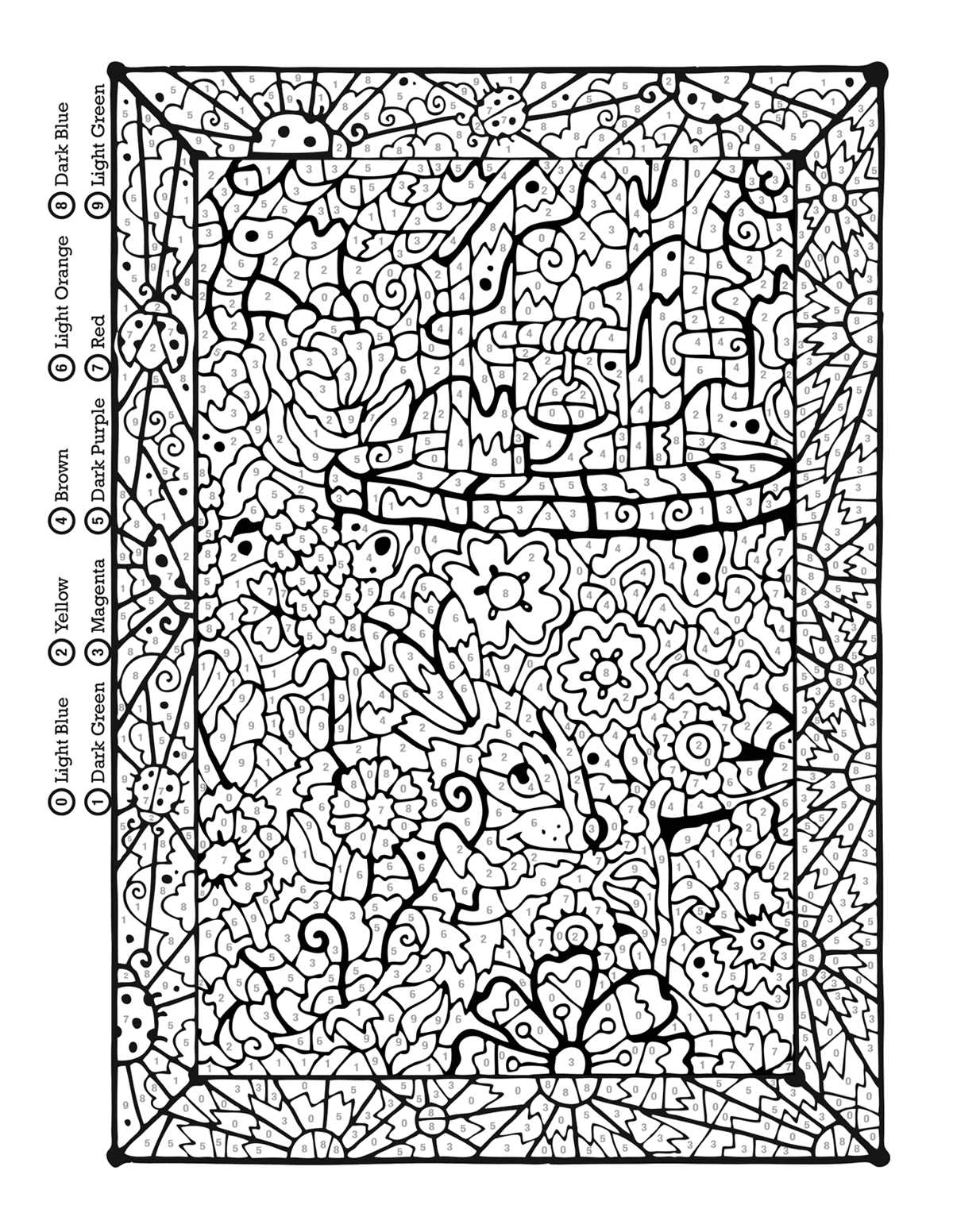
Start by filling in the larger sections first. These parts are often simpler to complete and provide an immediate sense of progress. Completing them early on will help build momentum and make the smaller, more intricate areas feel less daunting.
Organize your tools and materials before beginning. Having markers, pencils, or pens neatly arranged will reduce the time spent searching for the right color. Keep the shades in the same order as they appear in the design to streamline the process.
| Tip | Benefit |
|---|---|
| Work on large areas first | Increases progress and builds momentum. |
| Keep materials organized | Minimizes distractions and speeds up work. |
| Use fine-tipped tools | Ensures precision in detailed sections. |
Use fine-tipped tools for detailed sections. A steady hand and accuracy are required for intricate areas, and precise tools make this much easier. Markers with small tips or pencils provide better control, allowing you to stay within the lines and maintain clean edges.
Don’t hesitate to take breaks when needed. Completing complex illustrations can be tiring, so stepping away for a few minutes will help you return to the task with a fresh perspective and renewed focus. Breaks help to avoid mistakes due to fatigue.
Common Mistakes to Avoid When Working on Challenging Artwork Projects
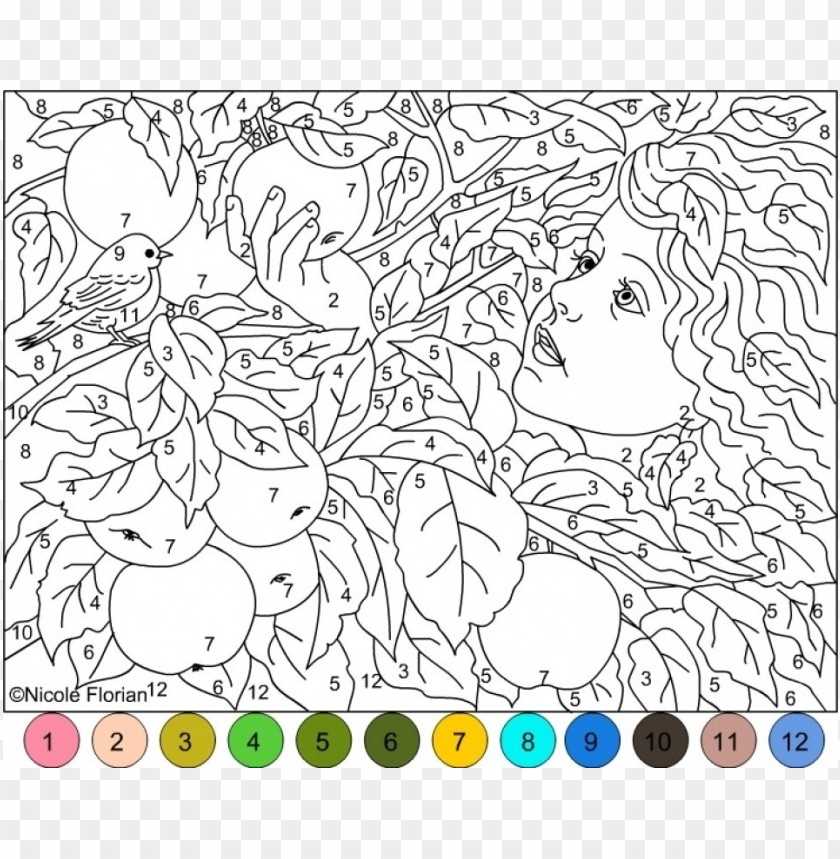
One common mistake is rushing through the initial stages. While it might be tempting to quickly fill in larger areas, this can lead to sloppy work. Take your time with each section, ensuring that every part is filled correctly and with care. Avoid skipping smaller details, as these contribute significantly to the final result.
- Skipping over intricate details, leading to unfinished or rushed sections.
- Using the wrong tools, such as large markers for small areas.
- Neglecting to plan out the sequence of colors, causing unnecessary backtracking.
Another mistake is not preparing your workspace. A cluttered or disorganized area can cause distractions and lead to errors. Arrange all necessary materials ahead of time so that you don’t waste time searching for tools during the process. This will help keep your focus intact and reduce frustration as you work on the more detailed portions.