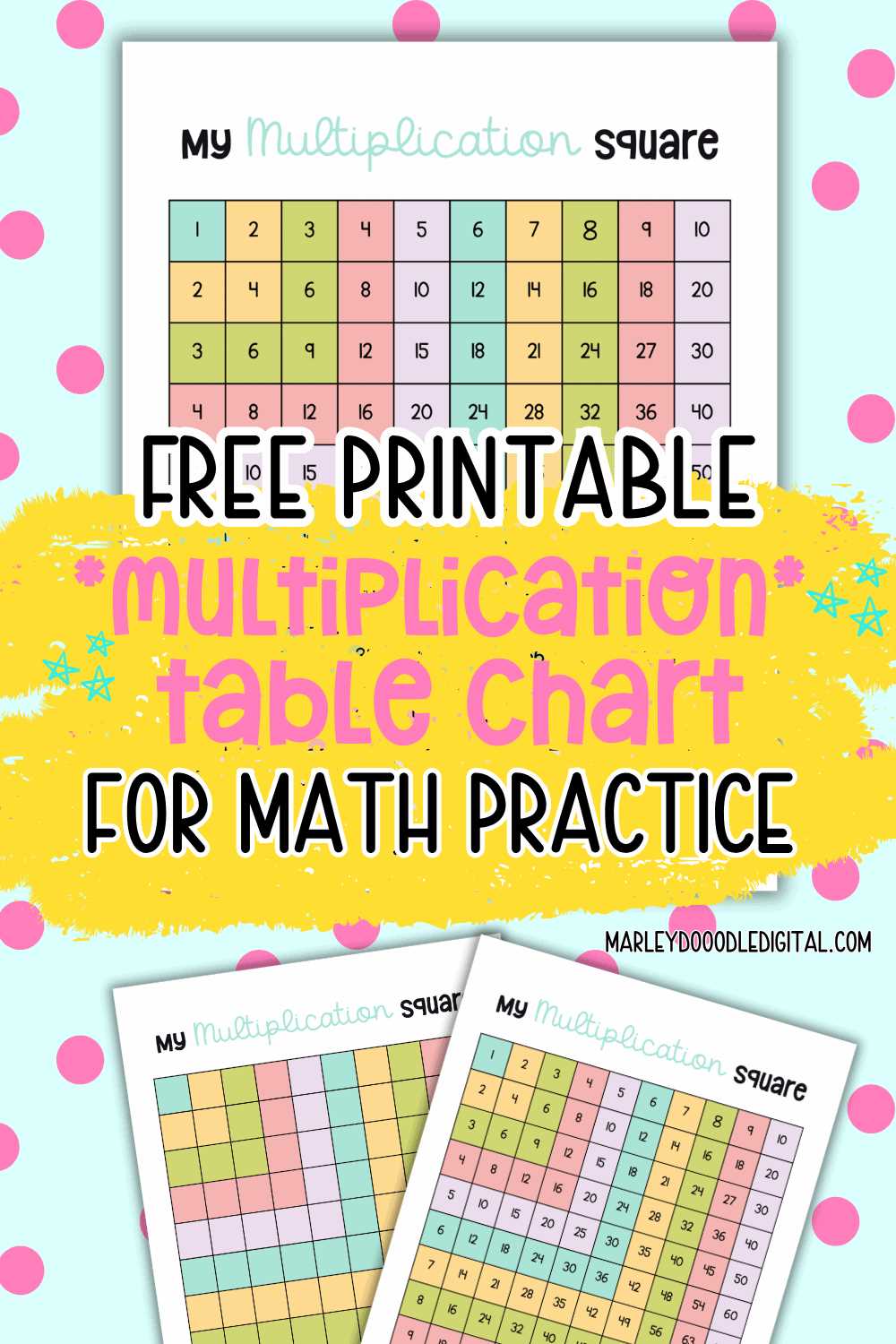
Start by focusing on the easiest numbers first. Begin with rows and columns that feature multiples of smaller numbers, such as 2s, 5s, and 10s. This provides a strong foundation and builds confidence as you progress to more complex numbers.
Place the table in a visible spot where it can be referenced during study sessions. Keeping it within easy reach helps reinforce patterns and makes it easier to spot connections between numbers. Over time, the repetition will help solidify the information in memory.
For better retention, try using the grid for drills. Cover portions of the table and attempt to fill in the missing numbers. This active recall technique will speed up your learning process and improve both speed and accuracy when solving problems.
How to Use a Multiplication Table for Quick Math Practice
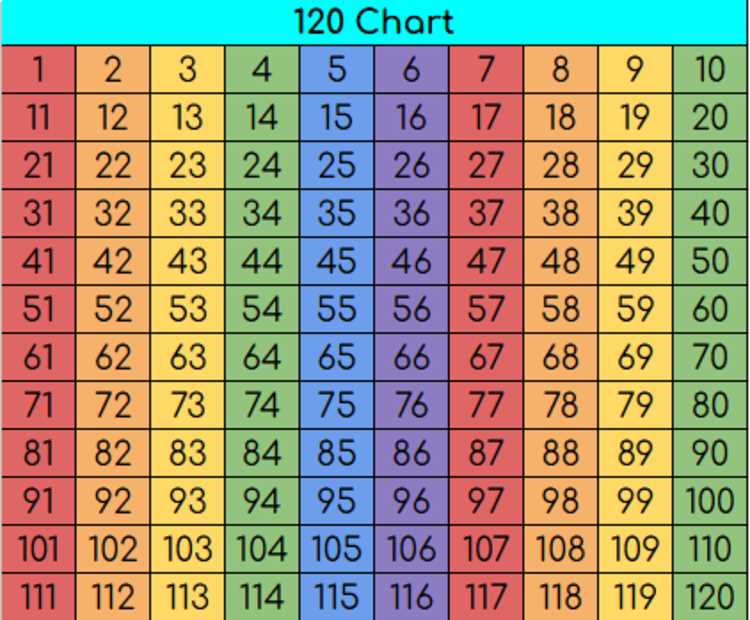
Start with the easiest numbers first. Select a row, like 2s or 5s, and focus only on that one. This simplifies the learning process and allows for faster memorization of results. Repeat until you are comfortable with one number before moving to the next.
Work in small, timed sessions. Set a timer for five or ten minutes and try to recall as many products as you can. This creates a sense of urgency and helps improve both speed and accuracy in recalling math facts.
- Choose a specific set, such as 4s or 9s, and practice that for the session.
- Time yourself for better speed and improvement.
- Cover sections of the table to increase memory recall under pressure.
Mix up the order of practice. Rather than starting from the top and working down, randomly choose a number and recall its multiples. This helps in recalling the facts in any order, making your memory stronger and more flexible.
Use the table for quick drills during the day. Keep the table visible on your desk or wall so you can glance at it whenever you have a few moments. Frequent, short bursts of practice are far more effective than long study sessions.
Finally, challenge yourself by practicing without looking at the table. Cover sections of the grid and attempt to fill them in from memory. This will enhance your recall ability and allow you to recognize patterns faster.
Benefits of Using a Printable Multiplication Table for Learning
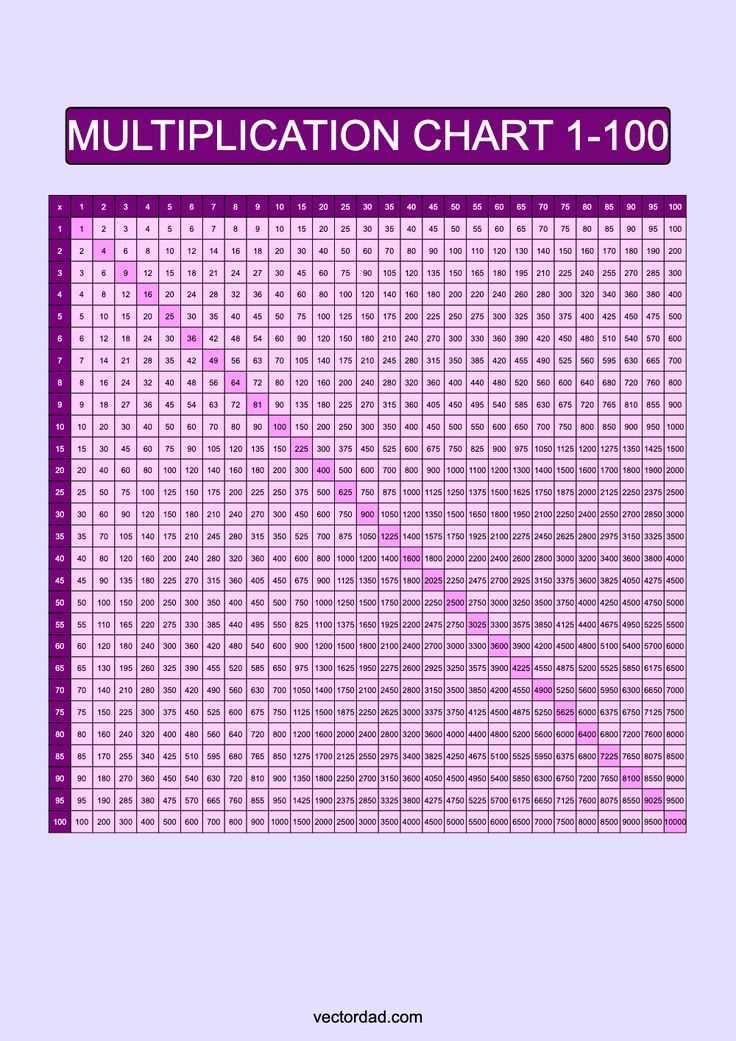
Using a physical table as a reference helps solidify number relationships. By observing how numbers are structured, students can quickly identify patterns, which enhances retention. This makes recalling results faster and more accurate during problem-solving.
Having a visible tool in front of them offers a clear structure for practice. The simple design allows learners to follow through a predictable pattern, which makes learning complex facts less overwhelming. This visual approach aids in systematic learning, especially for beginners.
When studying with a hard copy, students reduce distractions from digital devices. Unlike apps or online tools, which can pull attention away with notifications, a printed table remains a focused resource for efficient learning. It’s ideal for uninterrupted study sessions, helping maintain focus on the task.
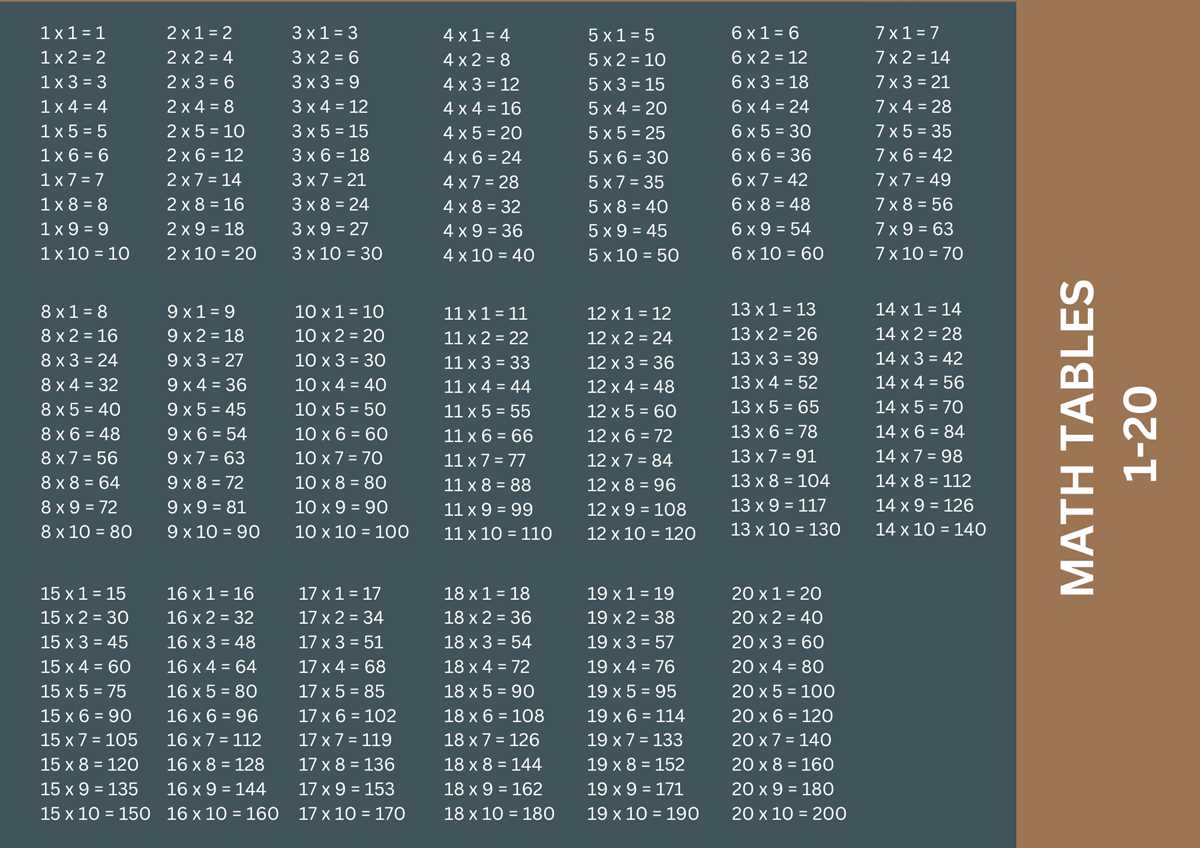
Accessibility is another key benefit. A printed version can be used at any time–whether during lessons, at home, or in transit. It allows students to reinforce their skills on the go, ensuring consistent practice and improvement, no matter where they are.
- Supports pattern recognition for faster recall.
- Provides a structured approach to learning.
- Reduces digital distractions during study time.
For timed practice, a printed tool is invaluable. Students can challenge themselves by covering parts of the grid and timing how quickly they can recall products. This helps build speed and accuracy, critical for solving problems under pressure.
Lastly, a printed version of the table is versatile. It can be used individually for self-study or in group settings for collaborative learning. This adaptability makes it a useful resource in various educational environments, supporting multiple learning styles.
Top Tips for Teaching Multiplication with a 1 to 100 Table
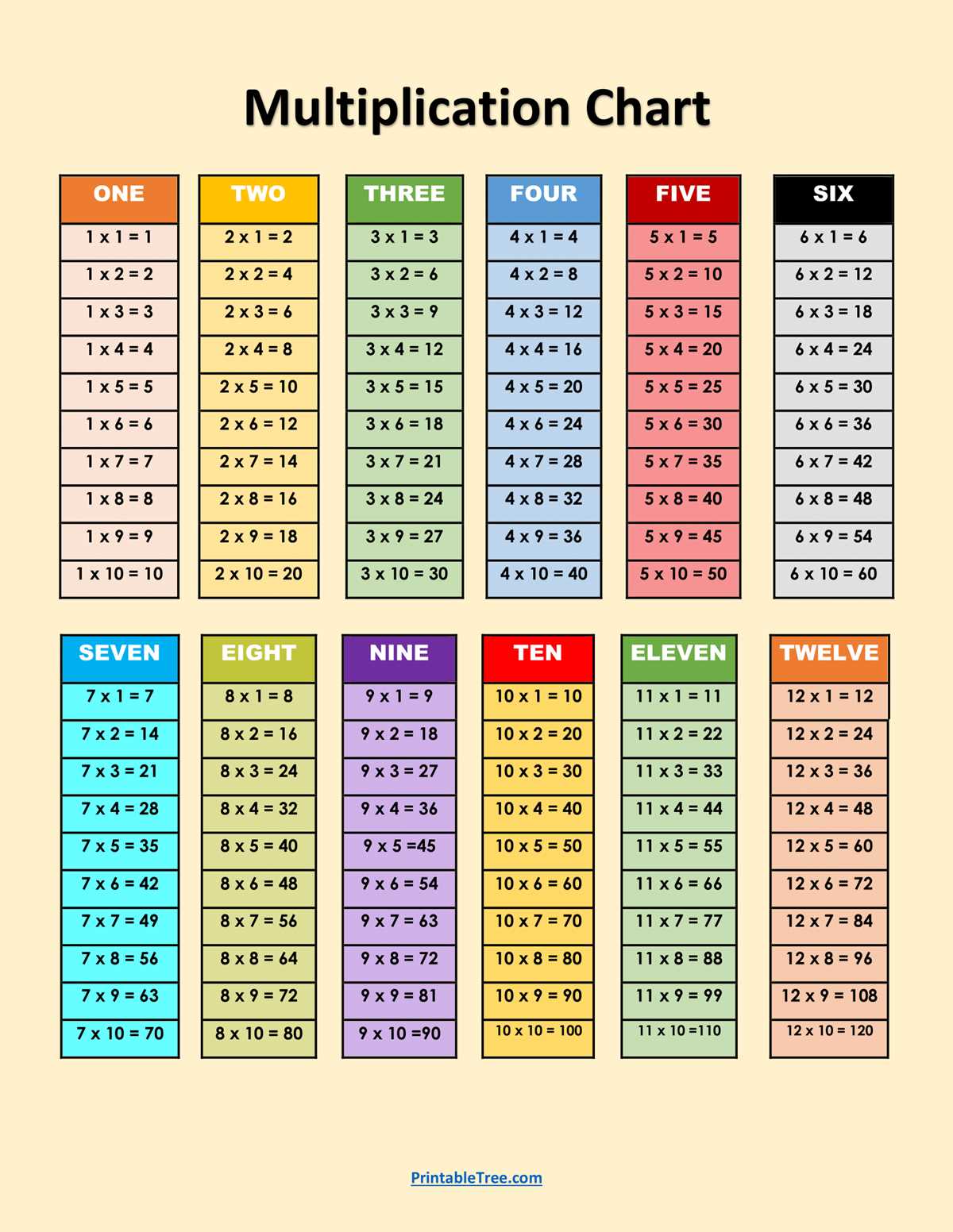
Begin by focusing on the easier rows. Start with multiples of 1, 2, and 5, as they are simple and intuitive. Mastering these first will build confidence and establish a solid foundation before progressing to more complex rows.
Encourage pattern recognition. Help students notice how numbers repeat across the grid. For example, the multiples of 10 always end in zero, and multiples of 9 often show interesting patterns. Recognizing these patterns makes the process of learning faster and more enjoyable.
Use timed drills to reinforce learning. Cover parts of the table and challenge students to fill in the missing values within a set time frame. This will improve both speed and accuracy, and motivate them to think quickly under pressure.
Incorporate the table into real-life scenarios. Use everyday examples, such as shopping or cooking, to show how these skills are applied. This practical approach will help students see the value of what they’re learning and increase their engagement with the material.