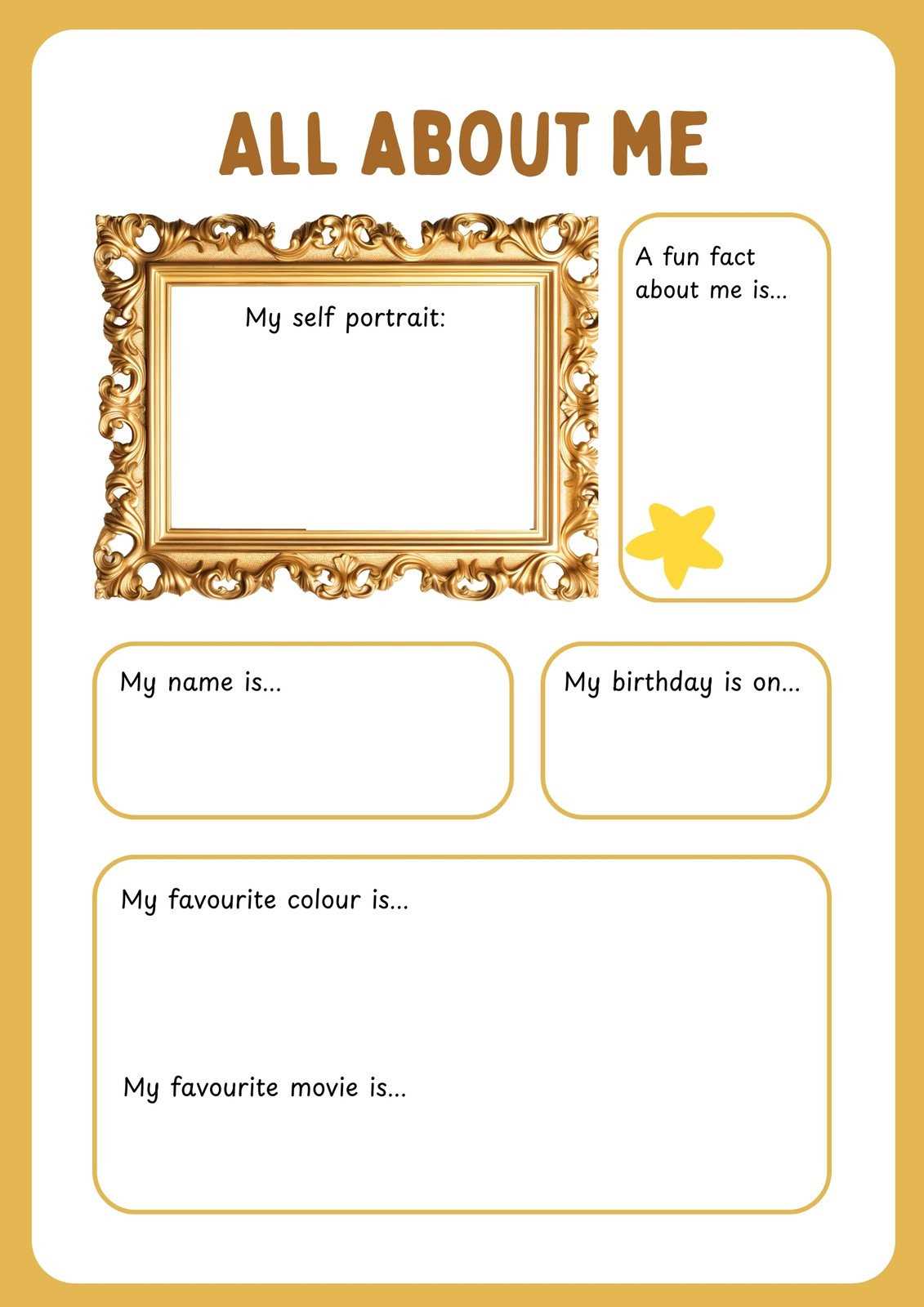
Use a structured team profile sheet with 12–15 targeted questions covering communication style, preferred feedback method, peak productivity hours, career goals for the next 12 months, and skill development interests. Limit the document to one page to increase completion rates above 85% and include a mix of multiple-choice and short-answer fields to balance measurable data with qualitative input.
Include clearly segmented sections such as Professional Background, Work Preferences, Motivation Drivers, and Personal Interests. For example, ask respondents to rank collaboration versus independent tasks on a 1–5 scale, specify preferred meeting formats (written updates, short calls, detailed workshops), and identify up to three competencies they want to strengthen this quarter.
Add practical prompts that produce actionable insights: “Which tasks drain energy?”, “What recognition format feels meaningful?”, and “What tools slow down daily workflow?”. Short, direct questions reduce vague responses and make it easier for managers to translate answers into scheduling changes, task allocation adjustments, or training plans.
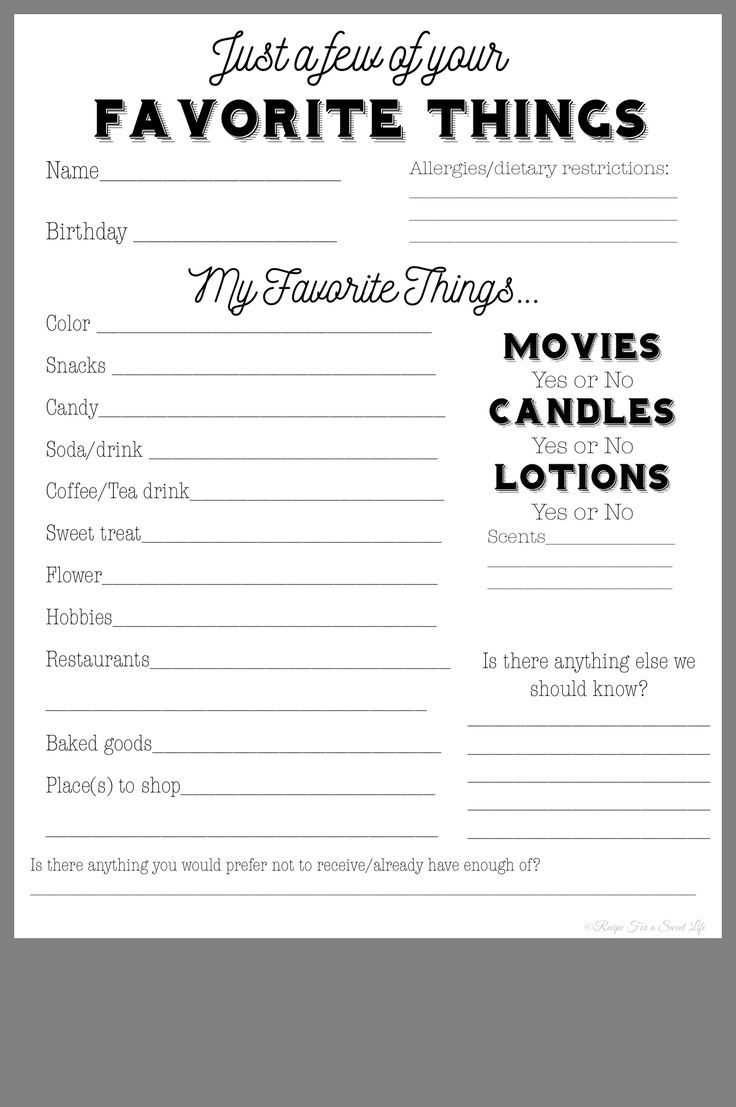
Design the layout with clear spacing, 11–12 pt readable fonts, and checkboxes aligned in a single column to minimize scanning time. A clean PDF version compatible with A4 and US Letter sizes ensures smooth distribution across global teams. Leave at least 20% blank space for handwritten notes during one-on-one discussions.
Protect privacy by clarifying data usage at the top of the document in one concise sentence, stating that responses support workload planning and development conversations. Avoid collecting sensitive demographic details unless directly tied to workplace accommodations, and provide an option to skip any question.
Review collected responses quarterly and compare trends such as preferred feedback frequency or training requests. Tracking patterns across departments highlights gaps in mentorship, communication alignment, or role clarity, allowing leadership to adjust policies based on documented input rather than assumptions.
Free Printable Get to Know Your Employees Form for Team Insights
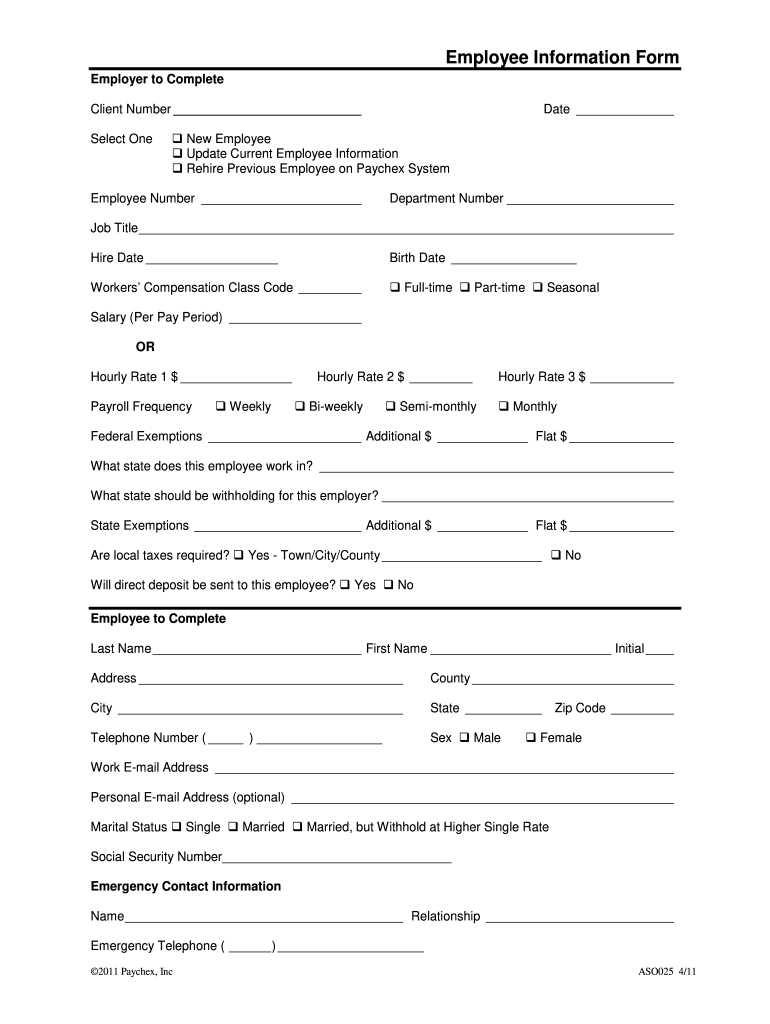
Use a structured staff profile questionnaire with fixed-choice and short-answer blocks to collect role expectations, preferred communication channels, skill sets, career targets for the next 12 months, and availability constraints. Include rating scales (1–5) for collaboration style, workload preference, and feedback frequency, plus targeted prompts such as “Tools you use confidently,” “Tasks that drain energy,” and “Certifications planned this year.” Limit the sheet to one A4 page, apply clear section headers, and leave at least 30% white space for handwritten responses. Distribute during onboarding or quarterly reviews, allocate 10–15 minutes for completion, and store responses in a shared HR folder with restricted access for managers.
Add analytical fields that translate answers into team-level insights: a skills matrix table (rows for competencies, columns for staff members), a project interest checklist tied to current company initiatives, and a time-zone or schedule grid for hybrid coordination. Incorporate a brief personal section covering hobbies, volunteer activities, and preferred recognition methods to improve peer matching and reward planning. Review submissions monthly, extract recurring patterns such as training gaps or leadership aspirations, and convert them into action items–workshop scheduling, mentorship pairing, or workload redistribution. Keep the document editable in PDF format and update questions annually to reflect strategic shifts.
What Questions to Include in a Free Printable Get to Know Your Employees Form for Personal, Professional, and Communication Preferences
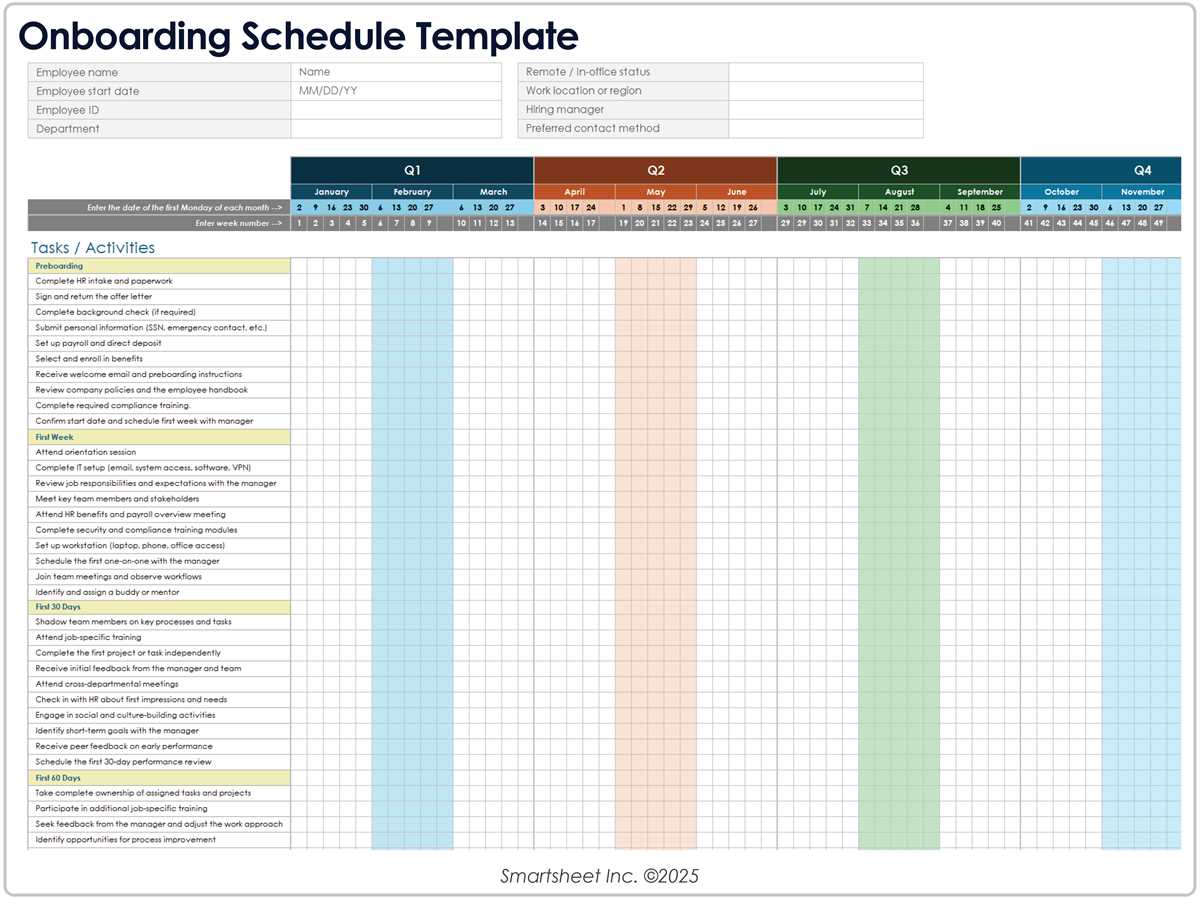
Include three focused blocks of questions covering background details, work style, and communication habits. For personal insights, limit prompts to non-sensitive data that supports team interaction and scheduling. Use short-answer and multiple-choice formats to simplify completion.
- Preferred name and pronunciation
- Time zone and standard working hours
- Hobbies or interests willing to share with colleagues
- Dietary restrictions relevant to team events
- Preferred recognition type (public praise, private message, written note)
- Work-life boundaries (no meetings after specific hours, focus blocks)
For professional preferences, collect information that directly affects task allocation, collaboration, and development planning. Replace vague prompts with measurable or scenario-based questions. For example, ask respondents to rate confidence in specific tools or processes on a 1–5 scale, identify two strengths they want to apply more often, and list one skill they aim to develop within six months. Add structured questions such as:
- Preferred project role (lead, contributor, analyst, reviewer)
- Decision-making style (data-driven, consensus-based, fast iteration)
- Feedback frequency preference (weekly, biweekly, milestone-based)
- Training format preference (self-paced modules, live workshops, peer mentoring)
- Biggest productivity blockers (unclear priorities, meeting overload, tool limitations)
For communication preferences, specify channels, response expectations, and meeting styles. Ask which platform is preferred for urgent matters, acceptable response time during business hours, and whether video is required for virtual meetings. Include questions about written vs. verbal instructions, level of detail desired in briefs, and comfort with spontaneous calls. Add a short scenario question such as: “How should a manager approach you if a deadline is at risk?” This produces actionable data that improves coordination and reduces friction.
Close the questionnaire with an open field inviting additional context relevant to collaboration. Limit it to 3–4 lines to keep answers focused and usable. Avoid personal data unrelated to workplace interaction, and provide a short privacy note clarifying how responses will be stored and who will access them. Structured, targeted questions ensure responses translate into scheduling adjustments, clearer task briefs, and more accurate performance discussions.