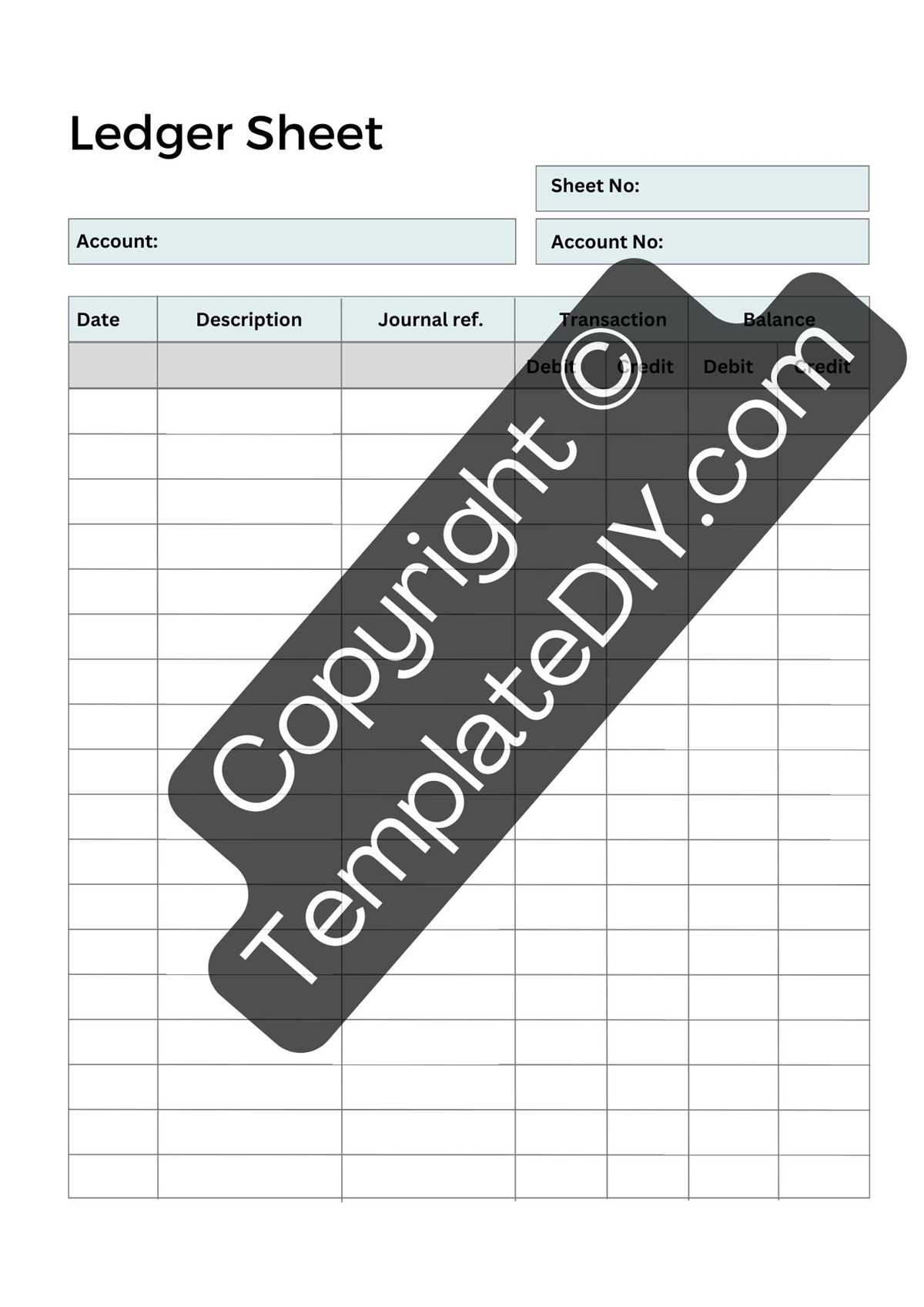
For tracking transactions and maintaining financial clarity, a printed format can provide the most straightforward and accessible method. By keeping a physical record, you can manage income and expenses with ease, ensuring that all details are documented in an orderly manner. A structured format will allow for quick cross-referencing, minimizing errors and ensuring that nothing is overlooked.
One of the key benefits of this method is the ability to manually update your entries, giving you greater control over your financial data. Whether you are managing personal budgets or business finances, recording each transaction in a clear, methodical way simplifies both the process of tracking and reviewing. It is particularly beneficial in ensuring transparency and accountability for any financial decisions made.
To achieve this, set up a document that includes columns for dates, descriptions, amounts, and categories. This format keeps all necessary details in one place, while also allowing room for notes or clarifications where needed. A neatly organized system will prevent confusion and make it easier to monitor cash flow and spot discrepancies early.
By sticking to a regular routine of updating your records, you can easily stay on top of financial health and make informed decisions when needed. Whether using a custom template or a ready-made design, maintaining such an organized approach will help keep your finances in check and reduce the chances of overlooking critical details.
HTML
Creating a Paper-Based Record System
To manage finances manually, it’s best to start by designing a simple yet functional format for tracking transactions. Begin with columns for the date, description of the transaction, income, expenses, and balance. Keeping entries concise ensures clarity and avoids confusion. Leave adequate space between each row to maintain legibility over time.
For users who track different categories, consider using separate sheets or color-coded sections for each type of spending or income. This segregation helps in quick referencing without cross-referencing multiple pages. Each page should have a summary at the bottom, indicating the remaining funds or totals for that section.
Incorporate a running total system. After each entry, update the balance to reflect the new financial standing. This habit prevents errors that may go unnoticed until much later. Also, be sure to use a permanent pen to reduce the likelihood of changes or mistakes over time.
Avoid clutter by using standardized abbreviations for frequent entries. This practice minimizes writing time and keeps your log entries consistent. For example, abbreviate “rent” as “R” or “groceries” as “G.” This keeps everything compact without losing meaning.
Lastly, ensure that the layout is visually accessible. Choose a font size and style that makes reading easy, and ensure your rows are spaced evenly. If the template is too small, it will become challenging to add more entries. Always leave extra pages for unexpected additions and be sure to periodically review and update the structure to stay aligned with your financial habits.
How to Set Up a Budgeting Record for Personal Finances
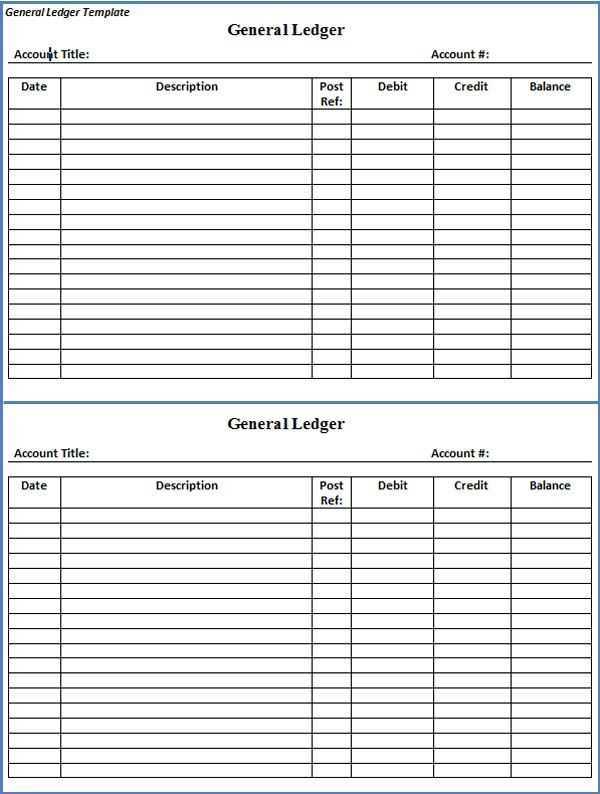
To manage your finances, create columns for dates, transaction descriptions, categories (like income, groceries, rent), amounts spent or earned, and running totals. This setup keeps the process simple and reduces the risk of missing crucial data.
Include a section at the top where you can add your monthly budget target for each category. Regularly compare the amounts in your columns with your planned budget to monitor progress and ensure you stay on track.
Each entry should have a unique description to avoid confusion later. For example, instead of just writing “expense,” detail the nature of the expense like “supermarket shopping” or “electricity bill.” This clarity helps track patterns in spending and income.
Avoid overcomplicating the layout. Simple rows and columns are sufficient. Group similar categories together, such as all utility payments in one section and all entertainment expenses in another. This makes reviewing your records less overwhelming.
Include a summary section at the end of your record where you can tally total expenses, income, and the difference from your planned budget. This will help identify areas where adjustments are needed, making it easier to stay within limits.
Update the record regularly–ideally after each transaction. This practice ensures accuracy and makes it easier to spot discrepancies or areas where you might need to cut back on spending.