Use a full-page diagram of a human figure with clearly marked areas for major organs and skeletal structures. Limit each sheet to 10–15 labels to keep focus on recognition and correct placement within 15–20 minutes.
Print on standard A4 or US Letter paper with 0.5-inch margins to allow for hole-punching or binding. Black-and-white illustrations reduce ink usage and allow students to color or shade each region, reinforcing memorization and spatial awareness.
Include a separate answer key highlighting each organ and bone. Bold outlines for complex regions such as the ribcage or pelvic area help learners cross-check labeling without confusion.
Provide one copy per student and a few extras for small group exercises. Encourage learners to write brief descriptions or functions beneath each label to strengthen understanding of anatomy and physiological roles.
For differentiation, prepare two versions: one with only major organs for younger students and another with both organs and skeletal landmarks for older learners. Clearly mark the version in the footer for easy distribution.
Human Body Outline Activity Sheet
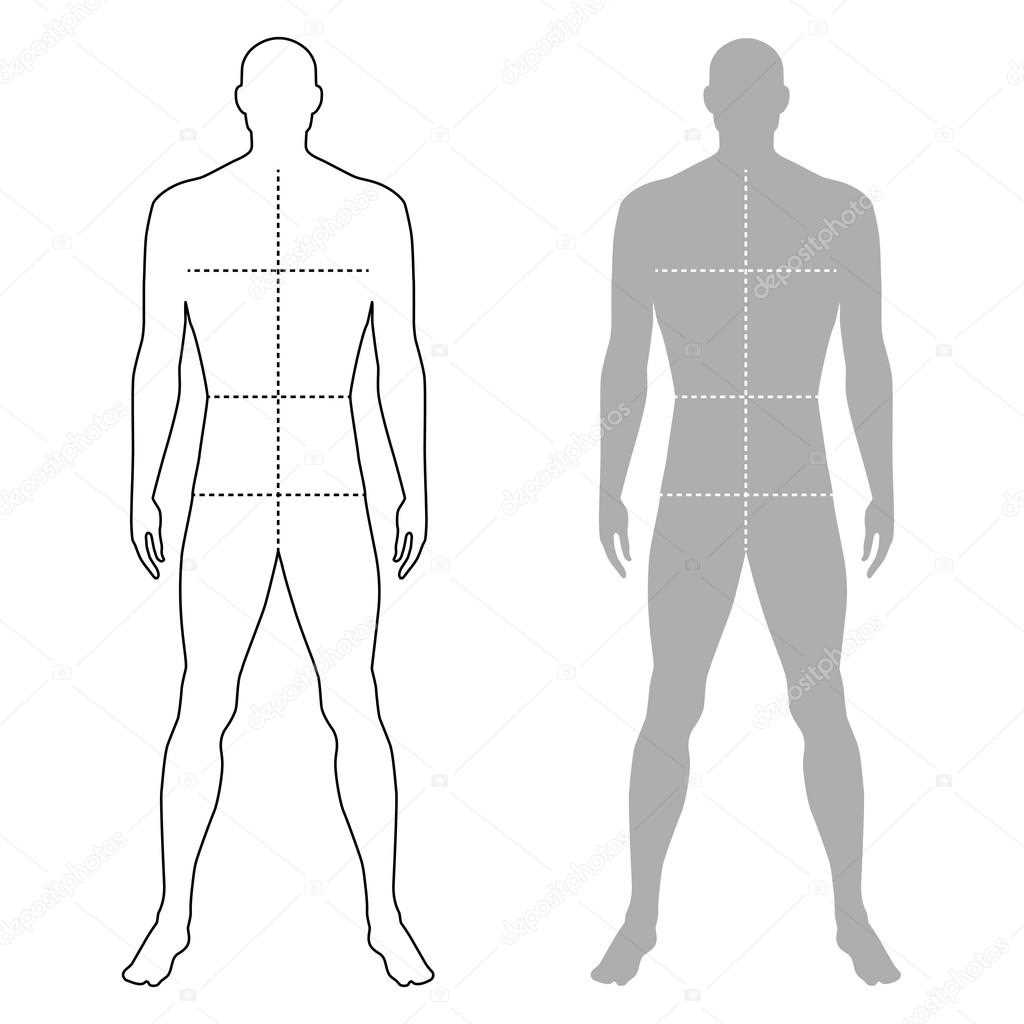
Use a detailed diagram featuring major organs and skeletal landmarks for grades 3–6. Limit each sheet to 12–15 labels to maintain focus and allow completion within 15–20 minutes.
Print on A4 or US Letter paper with 0.5-inch margins. Black-and-white diagrams reduce ink use while allowing students to color or shade specific regions, reinforcing visual memory and spatial understanding.
Include a separate answer sheet with bold outlines for complex structures such as the ribcage, skull, and pelvis. This allows learners to self-check placement and labeling without confusion.
Organize activities as follows:
- Individual work: 10–15 minutes to label each organ and skeletal part.
- Peer review: 5 minutes to compare labels and discuss any differences.
- Group discussion: 5 minutes to summarize functions and relative positions.
Encourage students to write short descriptions beneath each labeled area. Include basic functions, location, or interactions with other systems to strengthen comprehension.
Provide two versions for differentiation:
- Major organs only for younger or beginner learners.
- Major organs plus skeletal landmarks for advanced students to increase challenge.
Archive activity sheets with descriptive filenames including grade and theme, such as Grade4_Anatomy_Diagram.pdf, for easy retrieval and reuse during lessons or projects.
How to Print and Prepare the Outline for Classroom or Home Use
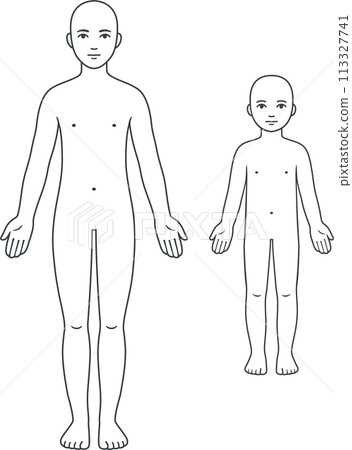
Use standard A4 or US Letter paper and set margins to 0.5 inches to ensure diagrams remain fully visible after printing. Select black-and-white mode to reduce ink usage while keeping labels and outlines clear for students.
Check that each sheet displays all organs and skeletal landmarks correctly. Include a separate answer sheet with bold outlines for complex areas such as the ribcage and pelvis to allow learners to self-check placement without confusion.
Print one copy per student plus a few extras for group exercises or peer review sessions. Encourage learners to label each region and add brief notes on functions, supporting both recognition and understanding of interactions between systems.
For differentiation, prepare two versions: one highlighting major organs for younger students and another including both organs and skeletal landmarks for older or advanced learners. Clearly mark versions in the footer to simplify distribution.