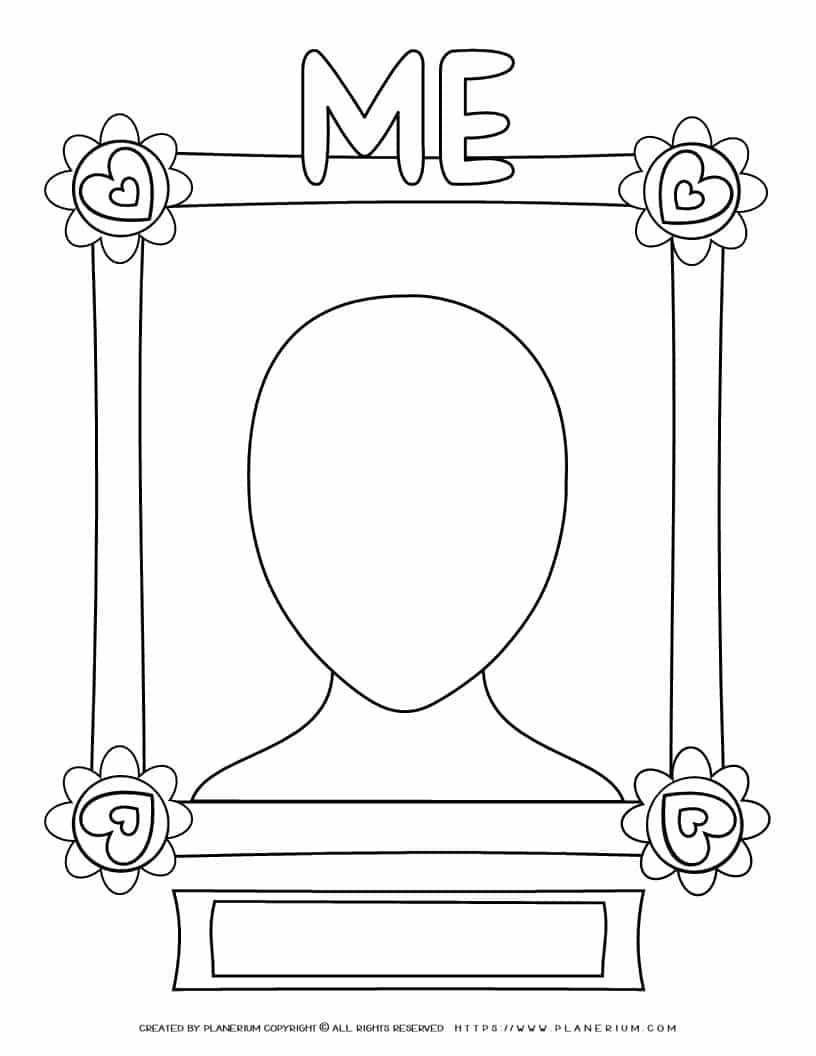
Use a simple sketching framework to guide your artistic expression. Begin by considering the size and shape that best suits your creative process. For a well-proportioned design, use standard paper dimensions like 8.5″ x 11″ for easy handling. Mark basic outlines such as head, shoulders, and body proportions to avoid unrealistic or out-of-balance representations.
Another effective method is to provide specific instructions for detailing facial features and accessories. Drawing realistic eyes, ears, and noses can become effortless when you break them down into shapes like circles and triangles. Make sure to incorporate adjustable elements such as lines for positioning hair, clothing, or props.
It’s also helpful to experiment with different drawing mediums–whether pencil, ink, or colored markers–based on your personal preference. Incorporate light sketching techniques first, then gradually build up intensity. Allowing flexibility for revisions as you go will enhance both accuracy and artistic freedom.
Creating a Personalized Drawing Framework
Start by choosing the right dimensions for your drawing. For a standard approach, use a size of 8.5″ x 11″, which is easy to work with and fits most formats. Ensure that the proportions of the head and body are balanced by marking the central axis, which will serve as the foundation for the facial and body features.
Incorporate guidelines for key facial elements. Draw circles for the eyes and outlines for the nose and mouth. These basic shapes make it easier to adjust the details without overcrowding the design. Avoid overcomplicating initial sketches, as simple shapes will help in achieving a more accurate representation.
For the body, sketch simple geometric forms to represent the torso, arms, and legs. Keep the lines light to ensure easy adjustments later. Position the arms in a relaxed state to prevent disproportionate angles and make the drawing process feel natural.
Once you have the basic outlines, start refining with finer details such as hair, clothing, and accessories. Use curved lines for natural contours, like those found in hairstyles and clothing folds. Ensure the facial features are symmetrical by measuring and comparing their placement on either side of the axis.
Finally, when you’re satisfied with the layout, go over the lines with a darker pen or pencil for clarity. Use colors or shading to add depth, highlighting areas such as the cheeks, nose, and hair. Feel free to experiment with different art styles based on your preferences, from realistic to abstract.
How to Choose the Right Framework for Your Drawing
Select the correct size for your artwork based on how much space you need for detail. A smaller framework, such as 8.5″ x 11″, works well for compact designs, while larger formats like 11″ x 14″ offer more space to incorporate finer details. Consider the balance of the elements you want to include, ensuring that nothing feels cramped.
Consider the complexity of the drawing. If you’re looking to create a basic outline, opt for a simple, unembellished layout. A more intricate setup might require additional lines for body proportions, facial features, and accessories. Look for layouts that allow easy adjustments, especially for things like eye placement or the angle of the head.
Choose a format that fits your preferred drawing style. Some frameworks are designed for realism, with precise outlines and proportions, while others might lean more abstract with broader guidelines. If you’re aiming for a more stylized result, look for layouts that leave room for creativity in the face and body features.
If you’re working with a specific medium like colored pencils or charcoal, make sure the lines on the framework are light enough to allow for layering. A design with lighter, non-dominant outlines will ensure that your own artistic interpretation stands out rather than competing with the structure.
Lastly, consider any additional elements that might make the drawing process easier. Some frameworks include markers for things like hair or clothing, which can help you stay focused on proportion and form. Ensure that the layout you choose aligns with your personal artistic goals, whether it’s achieving realism or exploring more abstract expressions.